Introduction
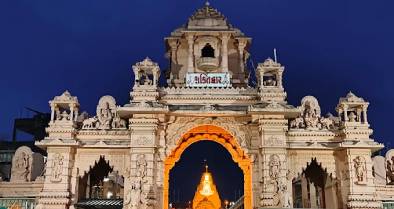
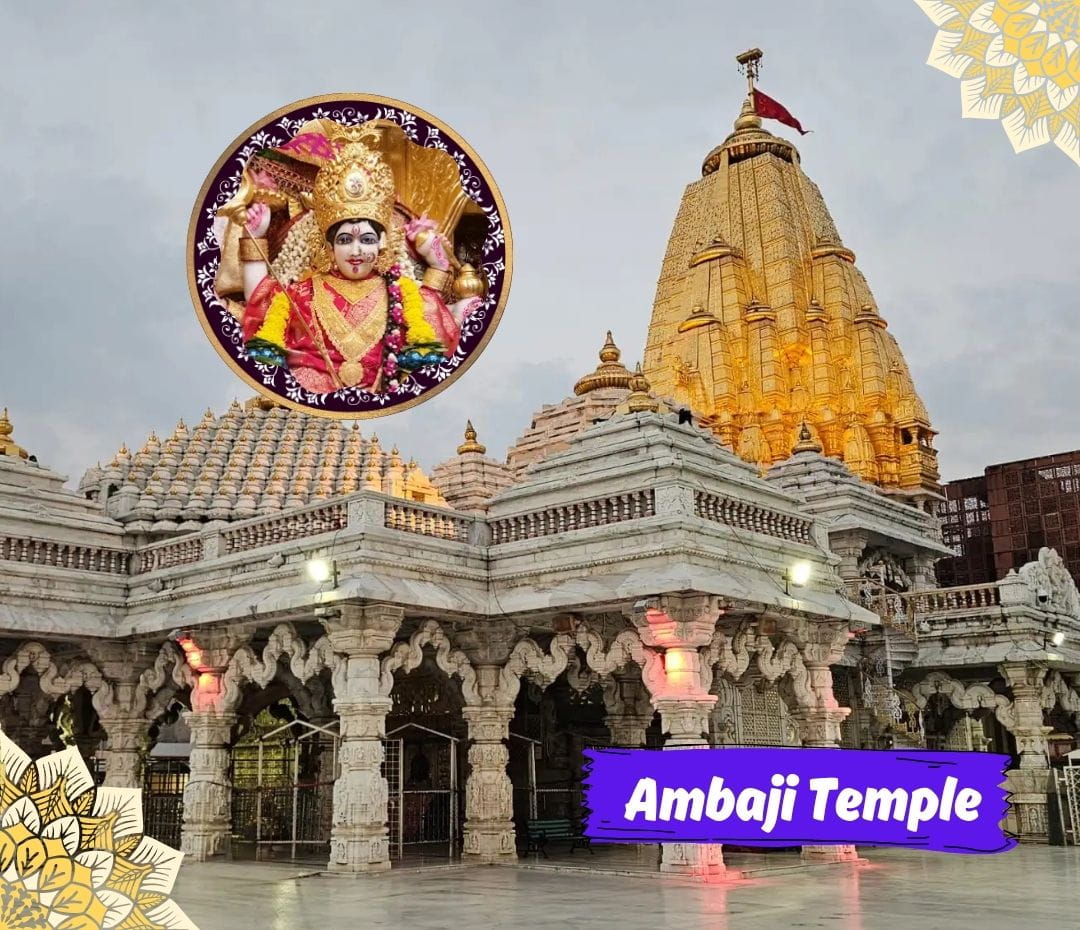
Located in the serene town of Ambaji in Banaskantha District of Gujarat, Ambaji Temple stands as one of the most ancient and revered Shakti Peeths in India. Dedicated to Goddess Amba (Ambaji Mata), the temple is visited by millions of devotees every year. It is believed to mark the spot where the heart of Goddess Sati fell, making it one of the 51 Shakti Peethas.
Unlike many other temples, no idol or image of the Goddess is worshipped here. Instead, the divine power of Maa Amba is symbolized through a Sri Yantra, a sacred geometrical diagram representing the cosmic power of the Goddess.
Historical & Mythological Significance
According to Hindu mythology, after Goddess Sati's self-immolation at her father Daksha's Yagna, Lord Shiva carried her body across the universe in sorrow. To calm him, Lord Vishnu used his Sudarshan Chakra to dismember her body into 51 parts, which fell across different locations in India — each becoming a Shakti Peeth.
At Ambaji, it is believed that her heart fell. Hence, Ambaji Temple is often referred to as the Heart of Shakti Peethas. The temple's origin dates back thousands of years and has been mentioned in Skanda Purana and Markandeya Purana.
Temple Architecture and Unique Features
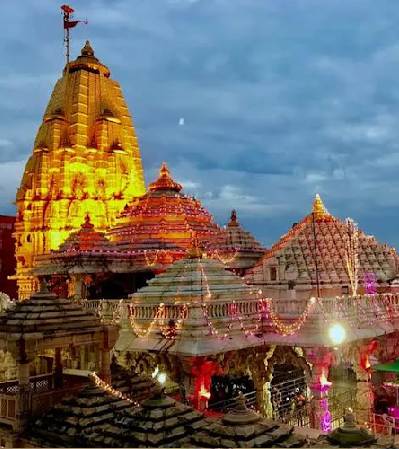
The main temple, known as Kundali Mandir, is an architectural beauty built with white marble. The temple walls are engraved with sacred verses from Vedas and Shlokas. The sanctum sanctorum houses the Shree Yantra engraved on a silver plate, covered with a red cloth. Photography inside the temple is strictly prohibited.
Gabbar Hill – The Sacred Hill of Ambaji
Just about 4 km away from the main temple lies the holy Gabbar Hill, believed to be the original seat of the Goddess. A natural rock formation in the shape of Maa's footprints (Charan Paduka) is worshipped here. The hill offers panoramic views of the Aravalli range. Thousands of devotees climb the 999 steps leading to the top to seek blessings.
Ambaji Ropeway – Udan Khatola
| Service Type | Details |
|---|---|
| Ropeway Name | Udan Khatola – Maa Ambaji Ropeway |
| Distance | 363 metres (horizontal), 138 metres (vertical rise) |
| Duration | 2–3 minutes one way |
| Timings | 7:00 AM – 4:00 PM (may vary during festivals) |
| Ticket Price | ₹125 (Adult), ₹70 (Child) |
| Helpline | 1800-202-4050 |
Akhand Jyot – The Eternal Flame
One of the most remarkable aspects of Ambaji Temple is the Akhand Jyot, the eternal flame that has been continuously burning for centuries. The lamp symbolizes eternal devotion and divine power and is considered one of the oldest continuously burning jyots in India.
Darshan Timings
Temple Opens: 7:00 AM
Morning Aarti: 7:30 AM
Evening Aarti: 7:00 PM
Temple Closes: 8:00 PM
Festivals and Celebrations
The temple comes alive during Bhadarvi Purnima (September), attracting over 1.5 million pilgrims. Navratri Festival is another major attraction, where devotees from Gujarat and Rajasthan visit to seek blessings and participate in Garba nights.
How to Reach
- Road: Well connected from Ahmedabad (180 km) and Palanpur (60 km)
- Rail: Abu Road Railway Station (20 km)
- Air: Ahmedabad Airport (180 km)
Rare Facts About Ambaji Temple
- One of the only temples without an idol — worship revolves around the sacred Shree Yantra
- The Akhand Jyot is said to have been burning since the time of Lord Krishna
- The 999 steps symbolize spiritual progress and self-discipline
- During Navratri, devotees walk barefoot from Gujarat and Rajasthan, covering 50–100 km
Accommodation and Food Facilities
Ambaji is a well-developed pilgrimage town, offering both budget and luxury stays. Devotees can stay at Ambaji Temple Trust Dharmashala, guest houses, or nearby hotels. Several pure vegetarian restaurants serve Gujarati thalis and snacks.