🕉️ Introduction
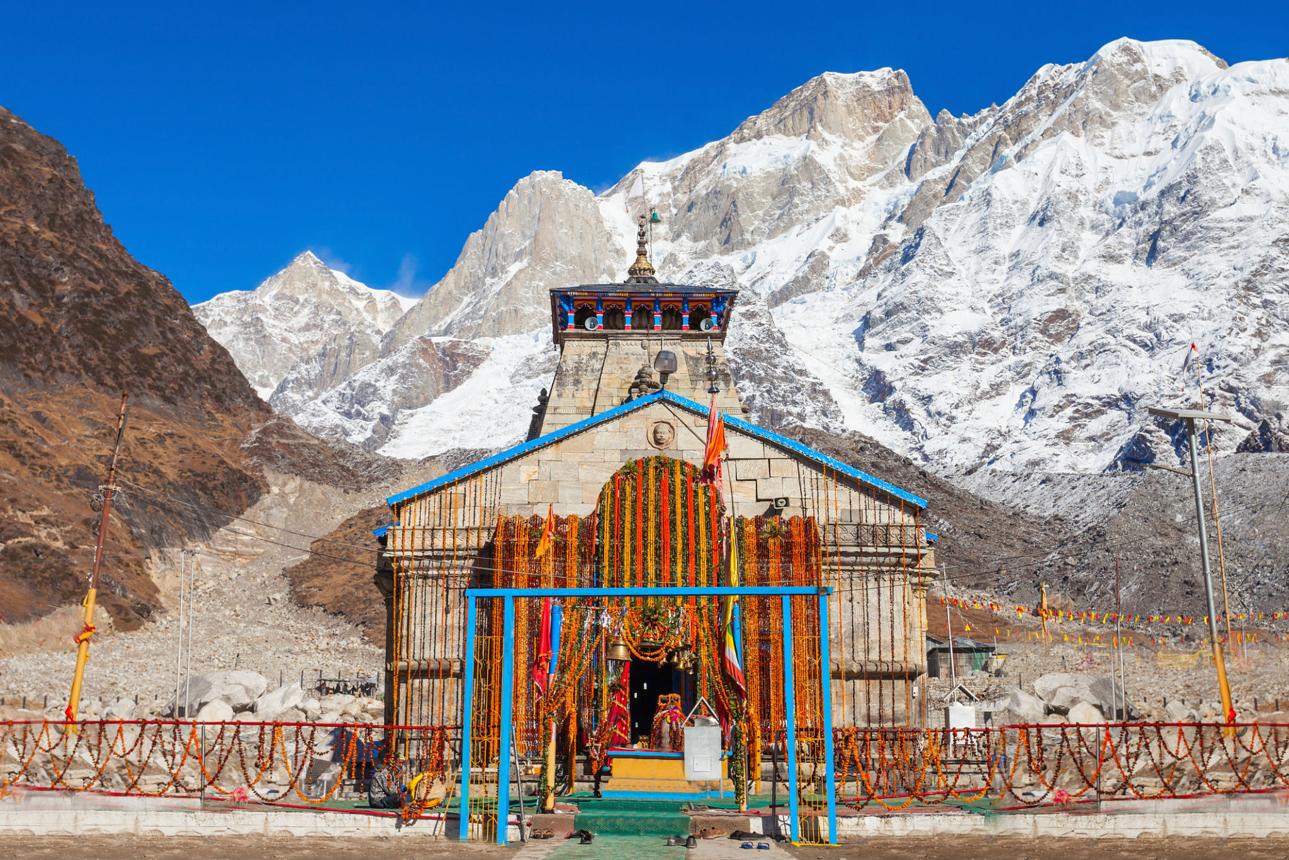
Kedarnath Temple is one of the most sacred temples dedicated to Lord Shiva and one of the twelve prestigious Jyotirlingas of India. Situated in the Garhwal Himalayan range of Uttarakhand on the banks of the Mandakini River, the temple stands at an altitude of approximately 11,755 feet, attracting lakhs of devotees and adventure trekkers every year.
📋 Quick Facts
| Deity | Lord Shiva |
| Location | Kedarnath, Uttarakhand |
| Temple Type | Jyotirlinga |
| Altitude | 11,755 feet |
| Best Time to Visit | May – October |
| Famous For | Char Dham Yatra, Jyotirlinga |
🌟 Significance of Kedarnath
- It is revered as the highest of the twelve divine Jyotirlingas in India.
- Forms an integral part of the famous Chhota Char Dham pilgrimage circuit.
- Richly associated with the Pandavas from the epic Mahabharata, who built the original structure.
- Stands as an eternal symbol of absolute devotion, resilience, and spiritual liberation (Moksha).
📜 History and Mythological Legends
Pandava Connection
According to Hindu legend, the Pandavas visited the Himalayas seeking forgiveness from Lord Shiva for the sins of killing their kinsmen during the Mahabharata war. Shiva, wishing to avoid them, disguised himself as a bull. When discovered, he sank into the ground, and his hump remained at Kedarnath.
Temple Origin
The original temple structure was constructed by the Pandava brothers. Centuries later, in the 8th century, the great philosopher and saint Adi Shankaracharya revived and reconstructed the temple next to the original site.
Religious Importance
Kedarnath is widely regarded as one of the holiest pilgrimage destinations for Shiva devotees across the globe, signifying the union of human soul with absolute divinity.
🛕 Architecture of the Temple
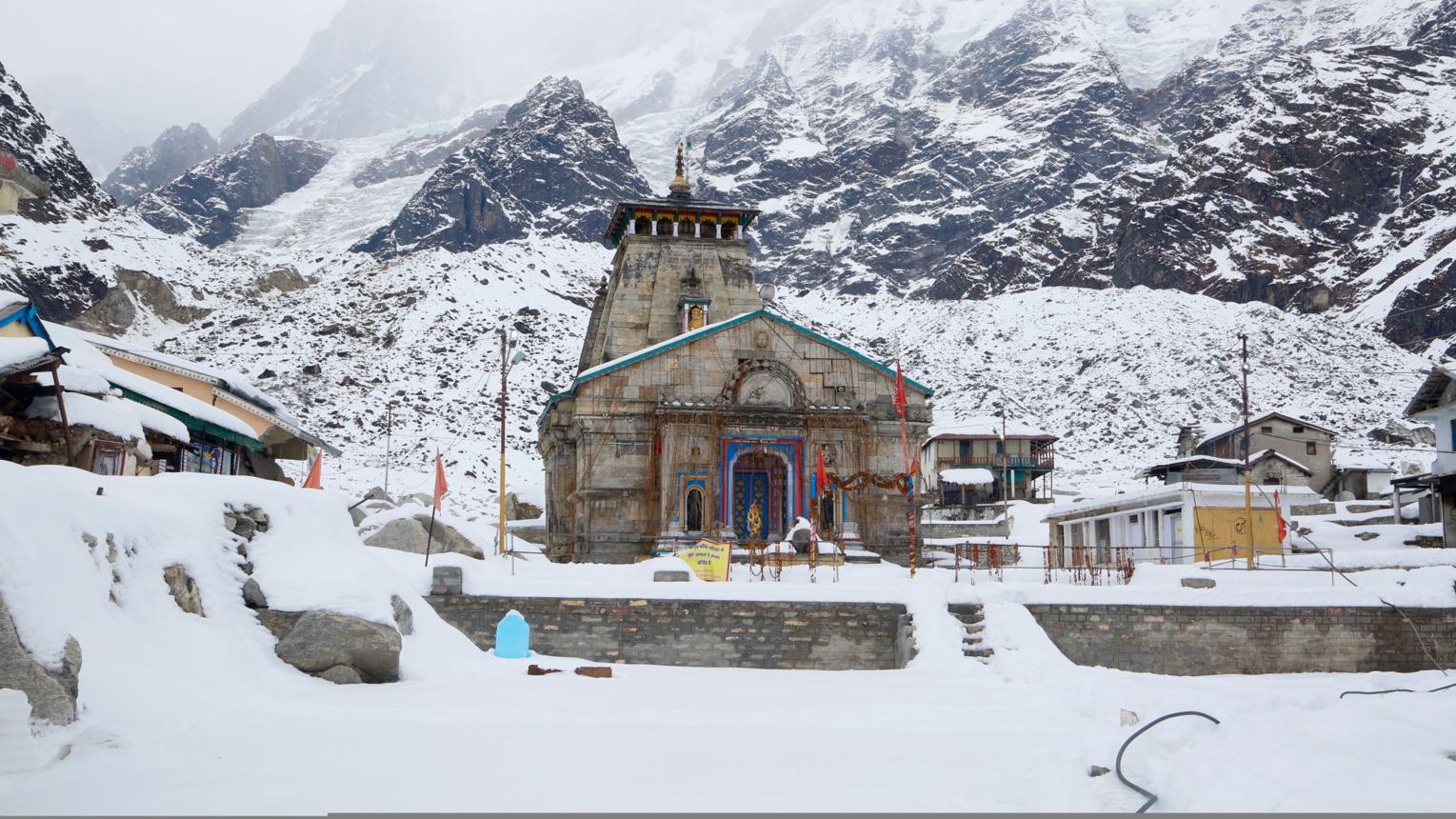
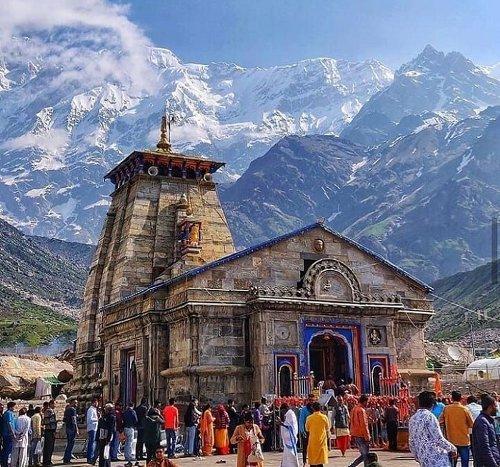
The architectural marvel of Kedarnath Temple has withstood extreme weather conditions for centuries:
- Constructed using massive, grey stone slabs of exceptional strength.
- Set against the dramatic, snow-capped backdrop of Mount Kedarnath and surrounding ranges.
- Built using interlocking stone construction techniques, which helped it survive major Himalayan floods.
- Features traditional North Indian temple architecture (Nagari style) with beautiful carvings inside the hall.
🎉 Festivals and Celebrations
Opening Ceremony
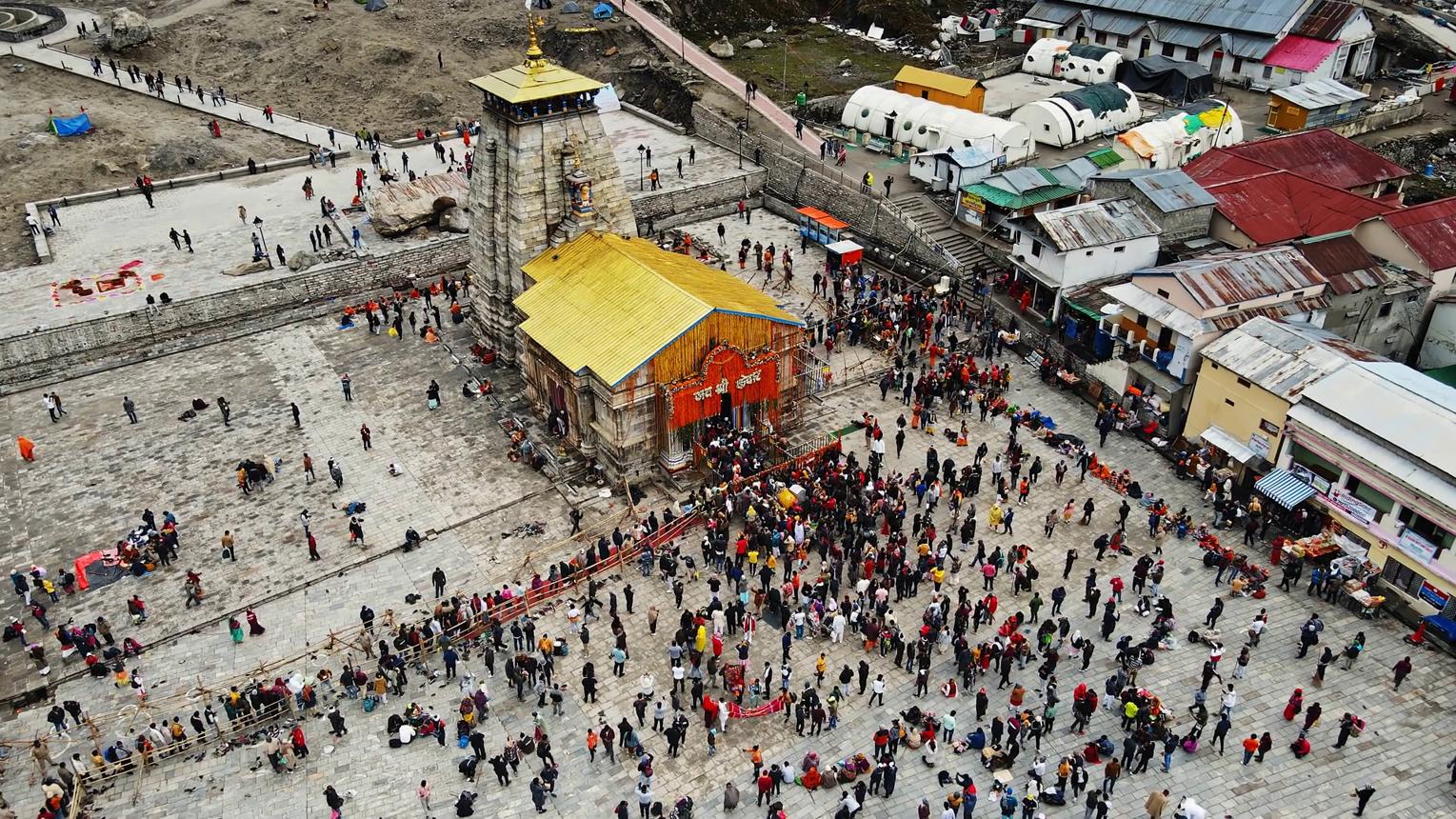
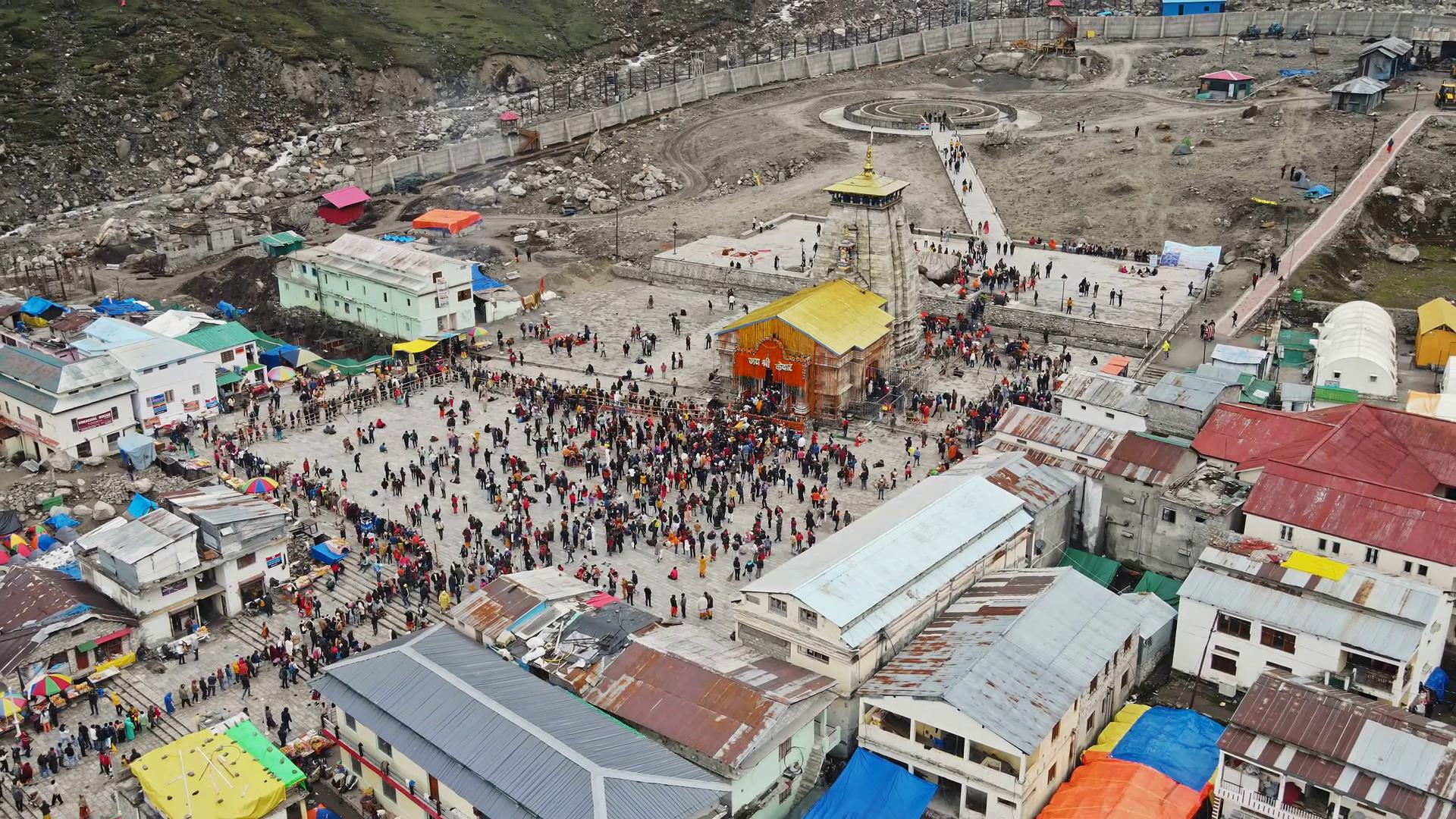
The temple doors open annually in May on Akshaya Tritiya, marked by Vedic rituals and thousands of pilgrims gathered at the gates.
Closing Ceremony
The temple closes before the harsh winter season on Bhai Dooj. The deity is then shifted to Ukhimath for worship during the winter months.
Badri-Kedar Festival
A major cultural and spiritual festival organized in the region to celebrate the historical and cultural significance of both Badrinath and Kedarnath.
⏰ Darshan Timings
| Activity | Time |
|---|---|
| Temple Opens | 4:00 AM |
| Morning Darshan | 6:00 AM |
| Evening Aarti | 7:30 PM |
| Temple Closes | 9:00 PM |
🚗 How to Reach
- By Road: Visitors can travel by vehicle up to Sonprayag/Gaurikund, which is well connected to major Uttarakhand cities.
- Trek: A challenging 16–18 km mountain trek starts from Gaurikund to reach the temple. Ponies, palanquins, and helicopter services are also available.
- By Air: The nearest airport is Jolly Grant Airport in Dehradun, situated around 250 km from Rishikesh/Gaurikund.
💡 Travel Tips
- Ensure you carry heavy warm woolens and rainproof clothing even during summer months.
- Check weather forecasts regularly, as landslides and heavy rainfall are common in monsoon.
- Pre-register for the Char Dham Yatra and book accommodation in advance.
- Maintain good cardiovascular physical fitness prior to the trek to cope with the high altitude and steep path.
🙏 Conclusion
Kedarnath Temple offers a unique and unforgettable combination of profound spiritual devotion, rich historical legends, and the raw, awe-inspiring beauty of the Himalayas. It remains an essential destination for every seeker.