🕉️ Introduction
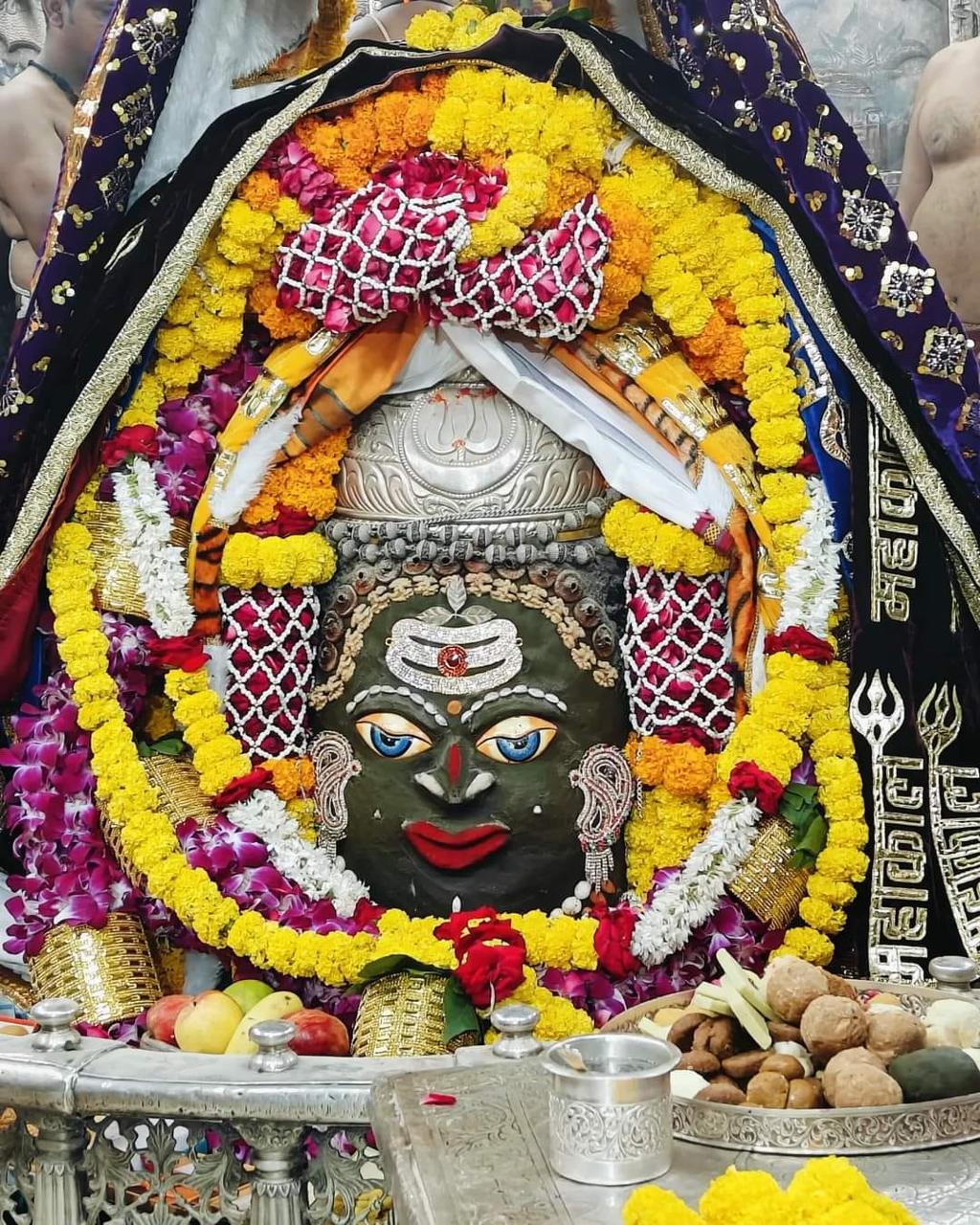
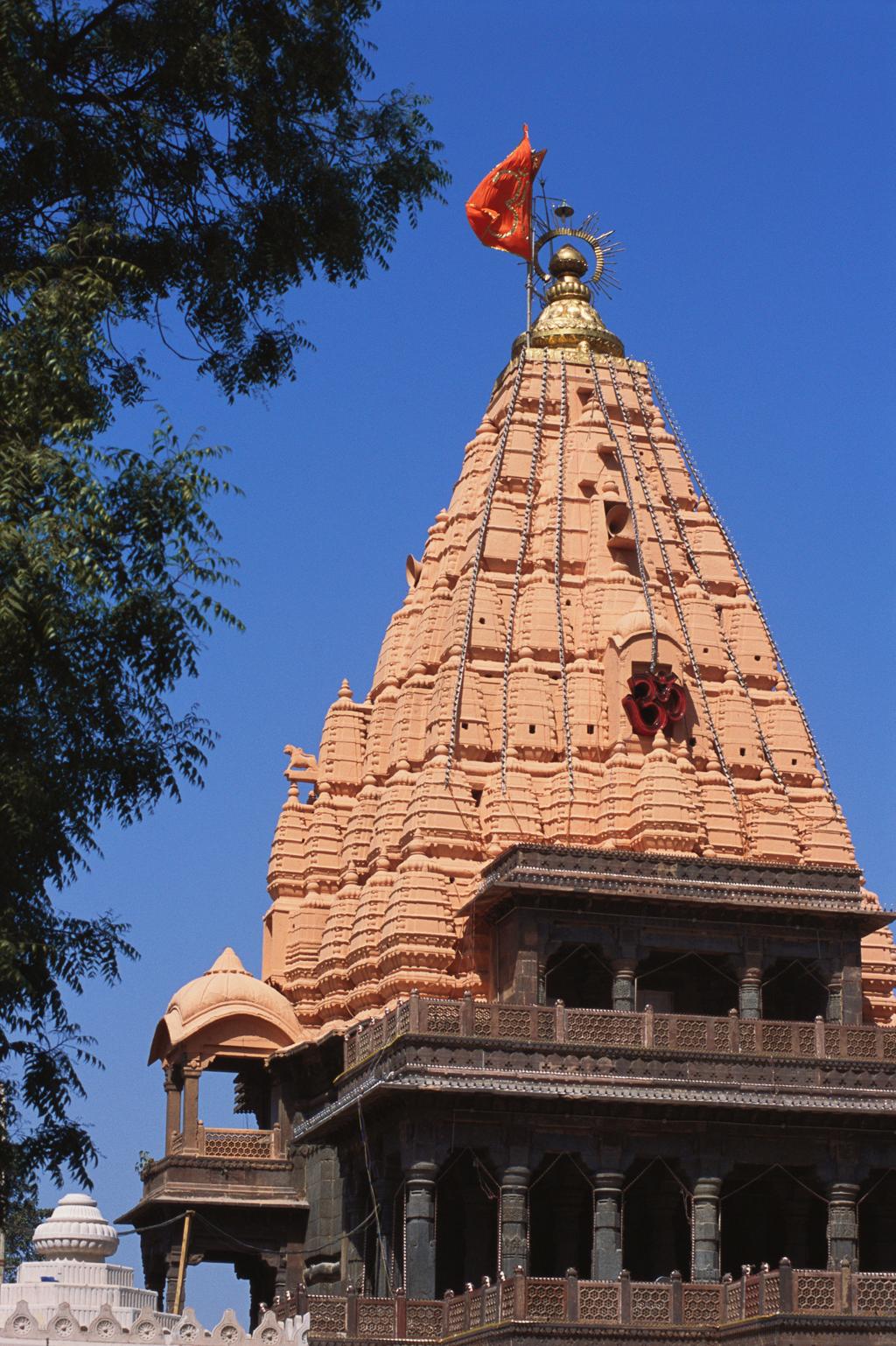
Mahakaleshwar Temple, located in the ancient city of Ujjain, Madhya Pradesh, is one of the twelve sacred Jyotirlingas of Lord Shiva. It is one of the most revered pilgrimage sites in India and holds immense religious significance for Hindu devotees. The temple is famous worldwide for its unique Bhasma Aarti (worship with sacred ash) and deep spiritual atmosphere.
📋 Quick Facts
| Deity | Lord Shiva (Mahakaleshwar) |
| Location | Ujjain, Madhya Pradesh |
| Temple Type | Jyotirlinga |
| River | Shipra River |
| Best Time to Visit | October – March |
| Famous For | Bhasma Aarti, Jyotirlinga |
🌟 Significance of Mahakaleshwar
- It is one of the twelve sacred Shiva Jyotirlingas, where the deity is Dakshinashukha (facing South).
- Represents Mahakal—the Lord of Time and Eternity.
- Believed by millions to protect devotees from negative forces and premature death.
- Stands as one of the holiest Shiva temples and centers of Hindu spiritual wisdom in India.
📜 History and Mythological Legends
Origin of the Jyotirlinga
According to Hindu mythology, Lord Shiva appeared as Mahakal to protect the residents of Ujjain from a powerful demon named Dushan. After defeating the demon, Lord Shiva, at the request of his devotees, established himself here in the form of the sacred Jyotirlinga.
Religious Importance
The temple has been a major center of Shaivism for centuries and is mentioned in ancient Hindu scriptures, including the Puranas and epic works of Kalidasa.
Temple Development
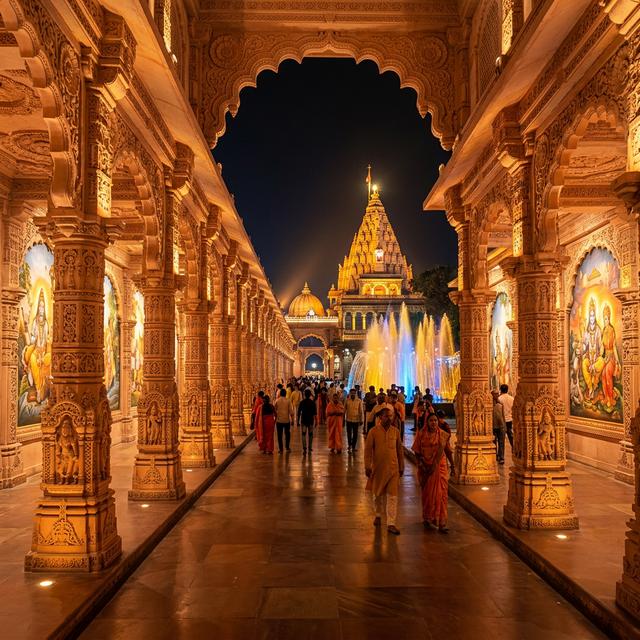
The ancient temple was destroyed during invasions and rebuilt several times. It was significantly expanded by the Maratha rulers in the 18th century, who revived the worship. Recently, the grand Mahakal Lok Corridor was developed to provide modern facilities for pilgrims.
🛕 Architecture of the Temple
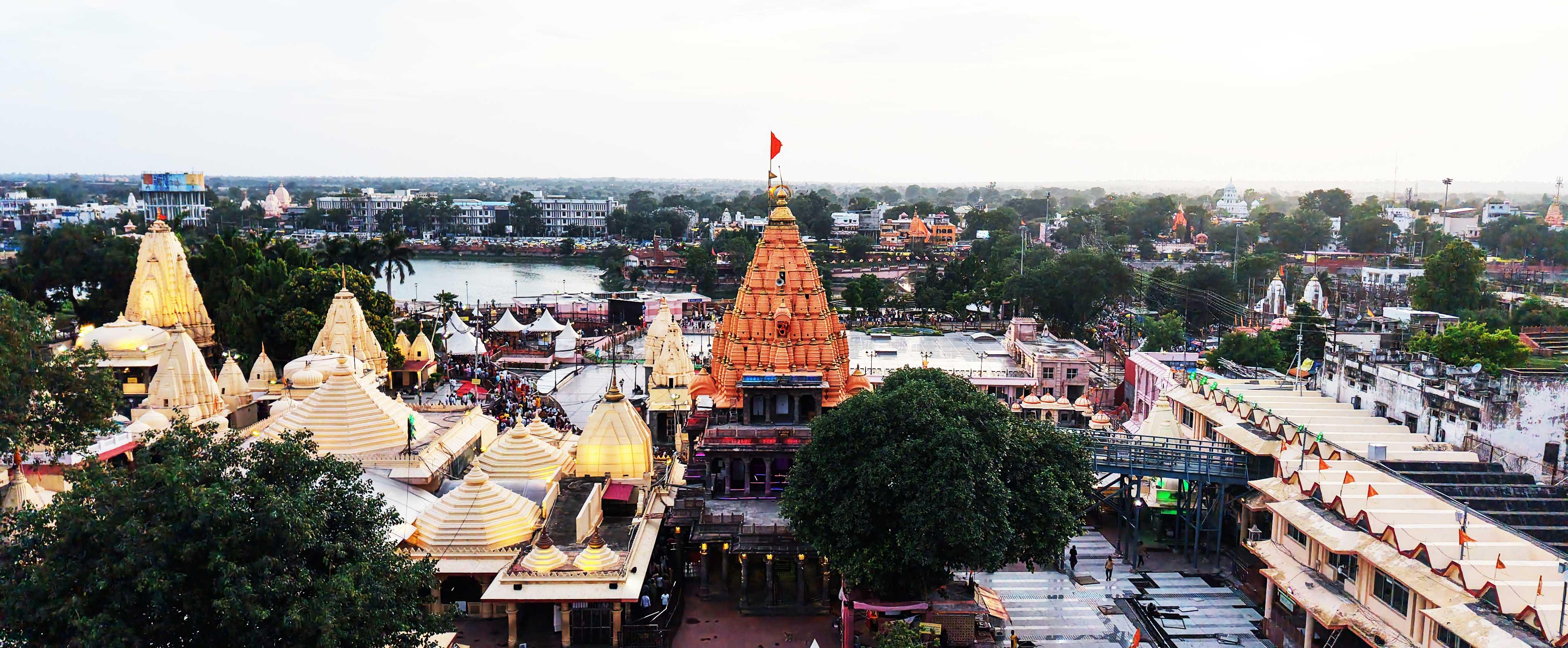
The structural beauty of the Mahakaleshwar Temple showcases several historical influences:
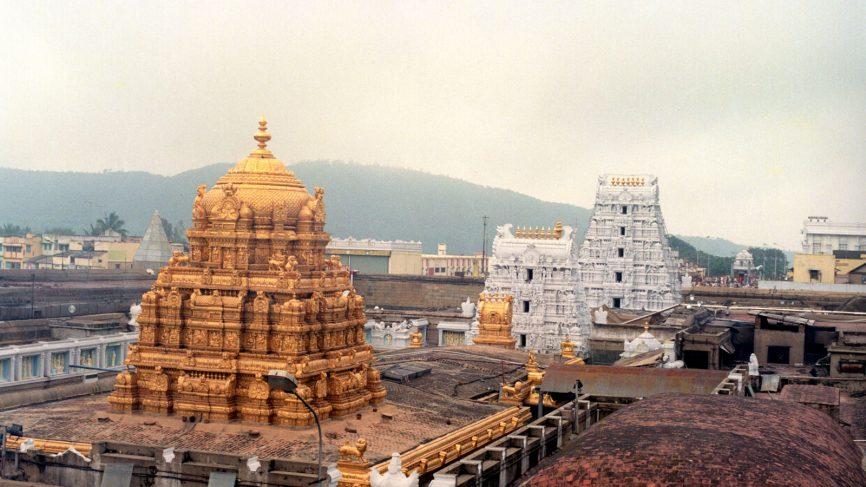
- Showcases traditional Maratha-style architecture combined with Bhumija and Chalukya styles.
- Features a multi-level temple structure, where the main deity is in the lowest level, Omkareshwar is in the middle, and Nagchandreshwar (opened only on Nag Panchami) is in the top.
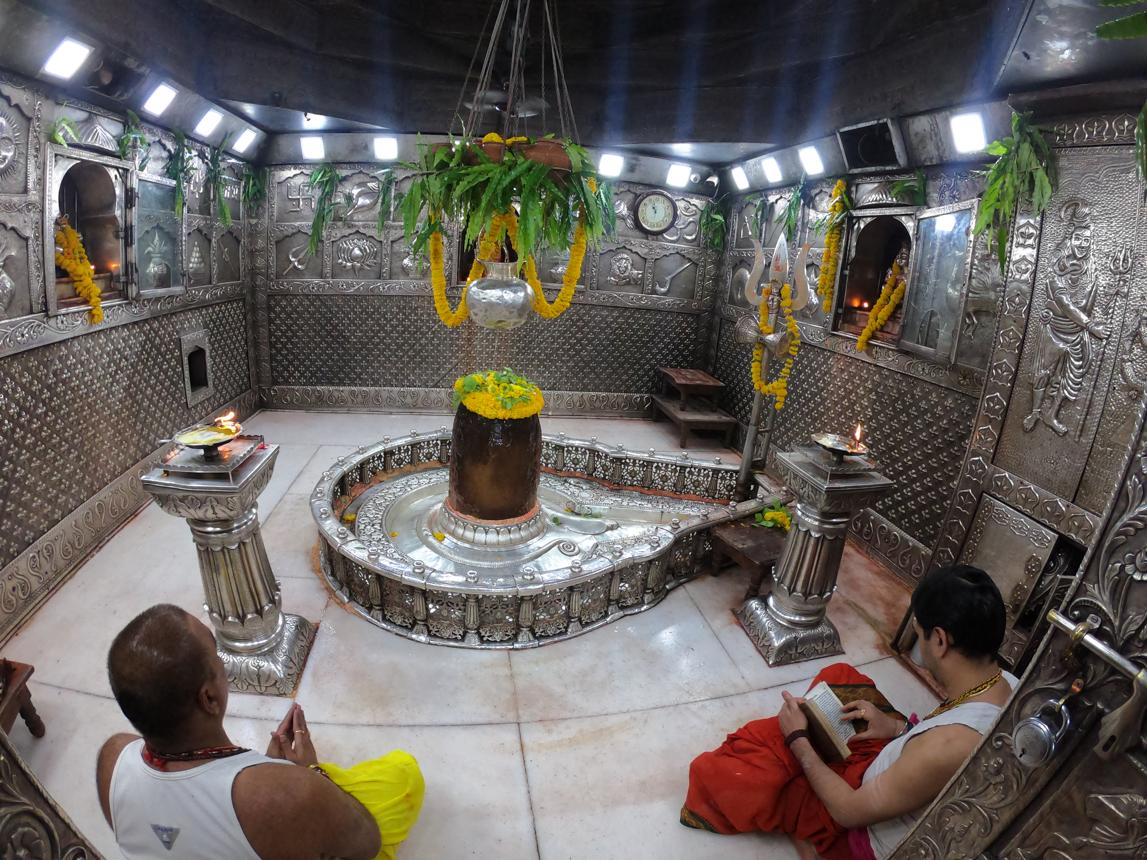
- A magnificent sanctum housing the naturally manifested Jyotirlinga.
- Dotted with beautiful sculptures, motifs, and traditional stone carvings.
- Integrates the grand Mahakal Corridor (Mahakal Lok), featuring murals and structures depicting Shiv Leela.
🎉 Festivals and Celebrations
Mahashivratri
The most important festival, celebrated with grand processions (Mahakal Ki Sawari), elaborate decorations, and round-the-clock prayers.
Shravan Month
During the holy month of Shravan, thousands of devotees carry holy water to offer to the deity. Weekly processions are taken out with great devotion.
Nag Panchami
The Nagchandreshwar temple on the third floor is opened for public darshan only on this day, attracting massive crowds.
⏰ Darshan Timings
| Activity | Time |
|---|---|
| Temple Opens | 4:00 AM |
| Bhasma Aarti | Early Morning (Requires Booking) |
| General Darshan | Throughout the Day |
| Temple Closes | 11:00 PM |
🚗 How to Reach
- By Road: Ujjain is well connected with major cities in Madhya Pradesh and neighboring states via national and state highways.
- By Rail: Ujjain Junction Railway Station is a major railway hub, offering direct trains from all parts of India.
- By Air: The nearest airport is Devi Ahilyabai Holkar Airport in Indore, situated approximately 55 km away.
💡 Travel Tips
- Book your Bhasma Aarti passes well in advance online, as capacity is strictly limited.
- Visit early morning or late evening for a relatively peaceful darshan.
- Carry light, comfortable cotton clothing if visiting during the warm summer months.
- Visit during Mahashivratri or the month of Shravan to experience the grand local festivities, but prepare for heavy crowds.
🙏 Conclusion
Mahakaleshwar Jyotirlinga stands as a glorious symbol of divine power, unwavering faith, and timeless Hindu spirituality. Its rich history and sacred rituals make it one of India's most significant and rewarding pilgrimage destinations.