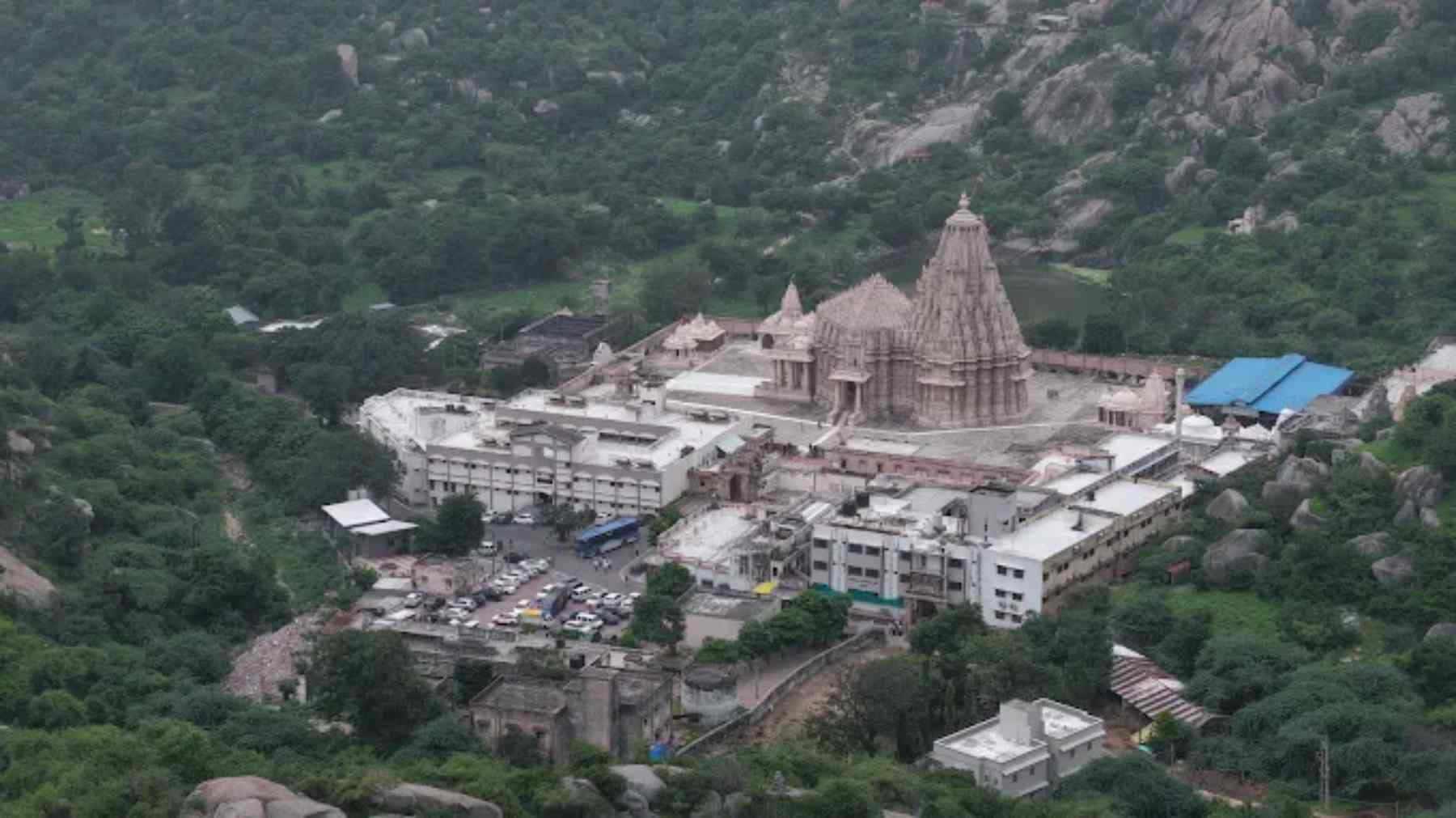
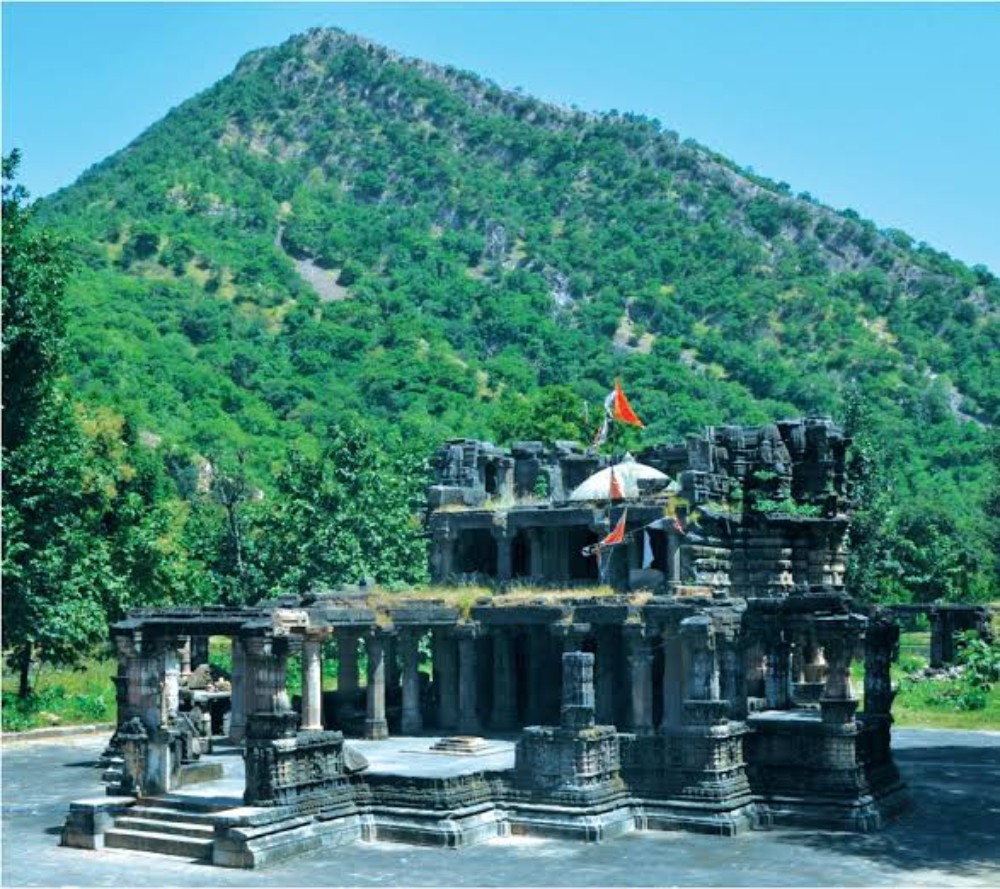
🕉️ Introduction to the Modhera Sun Temple
Rising serenely on the gentle banks of the sacred Pushpavati River in Mehsana district, Gujarat, the Modhera Sun Temple is an immortal masterpiece of ancient Indian architecture, astronomical mastery, and stone sculpting. Built in 1026–27 CE during the zenith of the Chaulukya (Solanki) dynasty under the royal patronage of King Bhimdev I, this temple is dedicated to Surya Dev—the supreme Vedic solar deity.
Although no active ritual worship takes place within its sanctum today, Modhera stands proudly under the care of the Archaeological Survey of India (ASI) as a globally celebrated monument. With its breathtaking stepwell (Surya Kund), 52-pillared celestial assembly hall, and equinox alignments that once illuminated the temple's lost golden idol, it remains a spellbinding testament to medieval India's scientific and artistic genius.
📋 Quick Facts
| Presiding Deity | Lord Surya (The Sun God / 12 Adityas) |
|---|---|
| Location | Modhera, Becharaji Road, Mehsana District, Gujarat |
| Builder & Era | King Bhimdev I (Solanki Dynasty), 1026–1027 CE |
| Architectural Style | Māru-Gurjara (Solanki) style of North Indian temple architecture |
| Key Components | Surya Kund (Rama Kund), Sabha Mandapa, Gudha Mandapa |
| Geographical Feature | Built precisely on the Tropic of Cancer (23.58° N) on Pushpavati River |
| Visiting Hours | 7:00 AM – 6:00 PM daily (Light & Sound Show: 7:00 PM – 7:45 PM) |
| Entry Ticket | ₹25 for Indians, ₹300 for Foreigners (Free for children under 15) |
| Best Time to Visit | October to March (Uttarardh Mahotsav / Modhera Dance Festival in January) |
| Nearest City | Mehsana (25 km) & Ahmedabad (100 km) via smooth state highway |
🌟 Scientific & Astronomical Marvels
Long before modern computerized engineering, the architects of King Bhimdev I created a monument with mathematical, cosmic, and geometric precision:
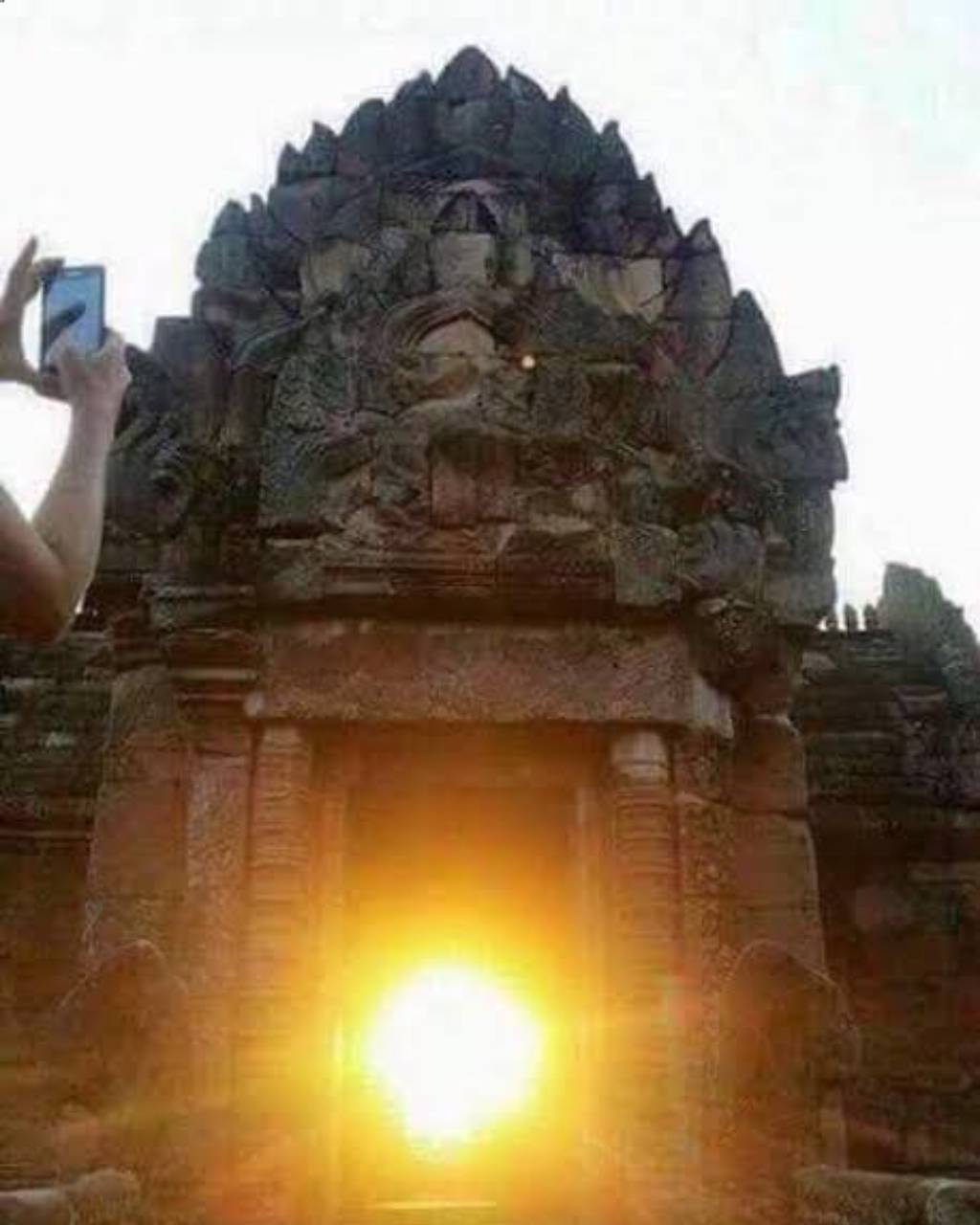
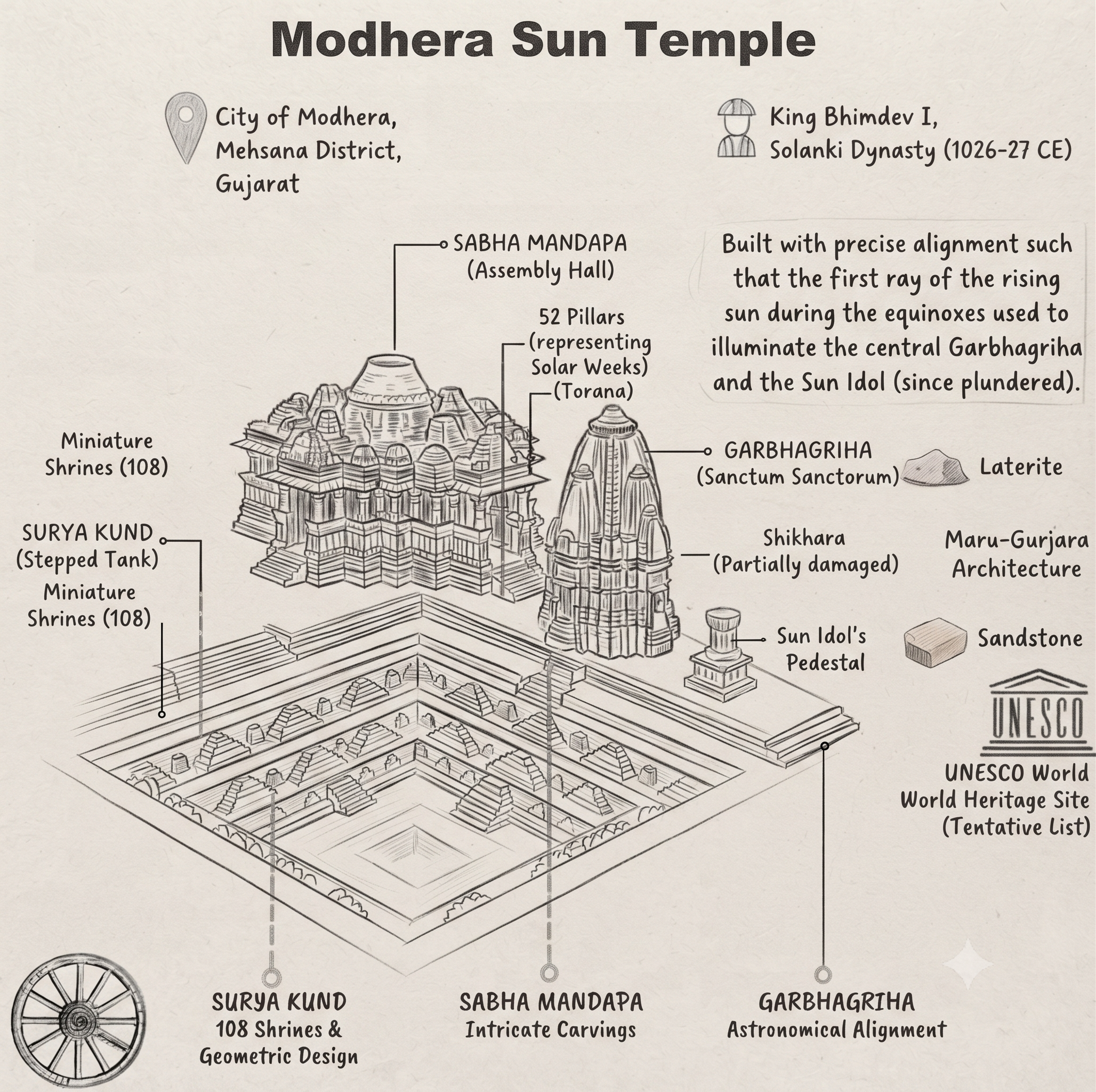
- The Equinox Solar Alignment: The entire complex is east-west oriented. On the solar equinoxes (March 21 and September 23), the rising sun's very first rays passed through the open torana gateway, traversed the center of the Sabha Mandapa, pierced the vestibule of the inner sanctum, and directly struck a gleaming diamond set in the forehead of the golden Surya murti.
- Tropic of Cancer Orientation: Positioned virtually atop the Tropic of Cancer, on the Summer Solstice (June 21), when the sun reaches its zenith at solar noon, the shadows cast by the temple plinths and pillars momentarily disappear.
- 52 Pillars for 52 Solar Weeks: The octagonal Sabha Mandapa rests on 52 meticulously sculpted sandstone pillars, mathematically echoing the 52 weeks of the solar year.
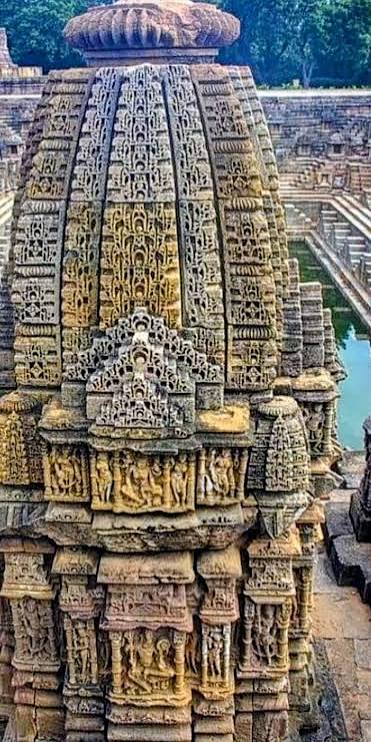
- The 12 Adityas of the Solar Year: Carved into the exterior plinth niches of the Gudha Mandapa are twelve distinct postures of the Sun God, representing his astrological manifestation across each of the 12 calendar months.
📜 History & Mythological Lore of Dharmaranya
Modhera’s sanctified soil carries ancient Puranic heritage alongside documented medieval history:
The Penance of Lord Rama (Dharmaranya Legend): According to the Skanda Purana and Brahma Purana, after vanquishing Ravana in Lanka, Lord Rama was burdened with the spiritual guilt of Brahmahatya (since Ravana was an accomplished Vedic scholar). Sage Vashistha guided Rama to perform penance in the sacred forest of Dharmaranya (the Forest of Righteousness). Rama established a yajna here, founded the village of Modherak (Modhera), and purified his soul.
Historical Rise & Calamities: King Bhima I commissioned the grand monument in 1026–27 CE, soon after the destructive raid of Mahmud of Ghazni on Somnath. The Solankis built it as an unshakeable monument of cultural resilience and sun devotion.
Tragically, subsequent invasions by Allauddin Khalji’s generals severely damaged the superstructure. The towering curvilinear shikhara collapsed, the gold murti plundered, and the original temple vault ruined. Yet, despite centuries of destruction and seismic tremors, the dry-masonry sandstone skeleton remains one of the world’s most admired stone spectacles.
🛕 The Three Architectural Sections of Modhera
The complex is designed in three axially aligned architectural units along a single east-west spine:
1. Surya Kund (Rama Kund)
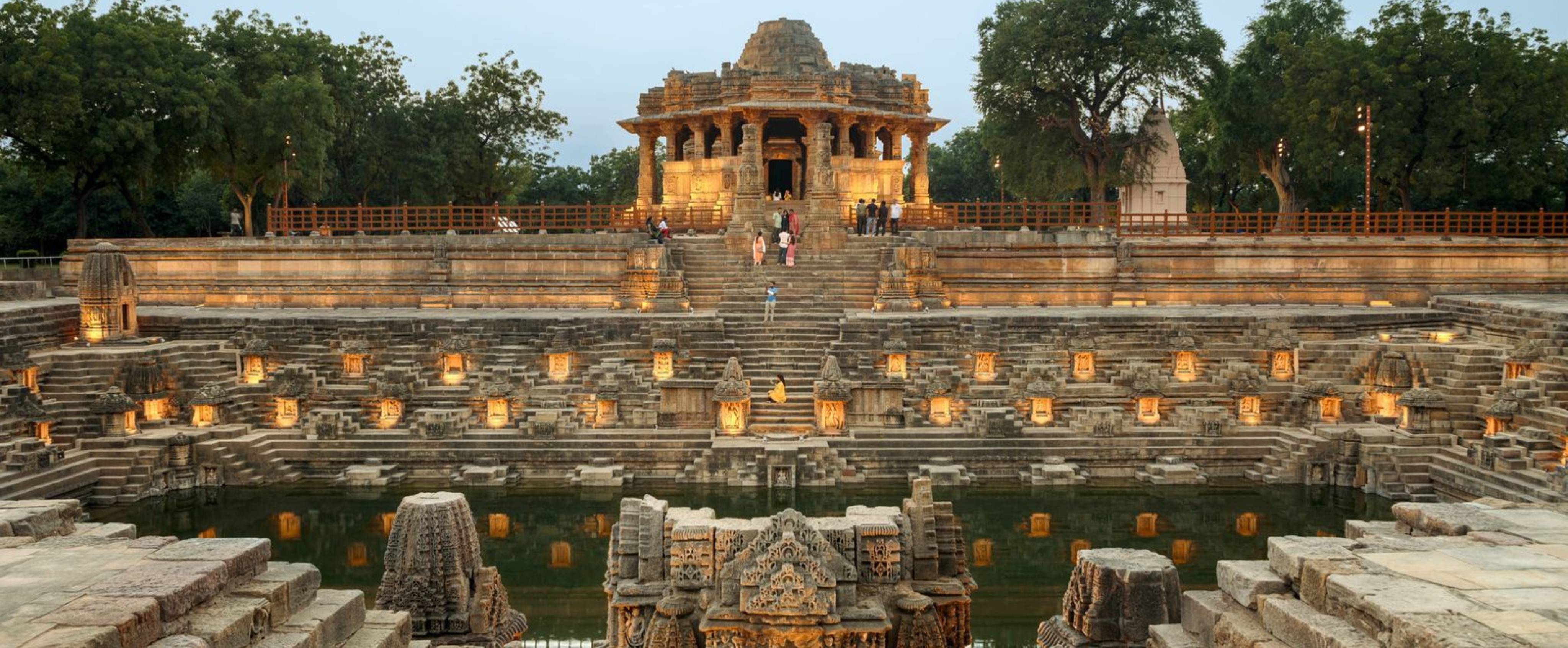
A massive, sunken rectangular stepwell measuring 53.6 x 36.6 meters. The steps descend in intricate, pyramid-like geometric terraces that resemble an optical illusion of shimmering diamonds. Carved directly into these steps are exactly 108 miniature shrines honoring Ganesha, Vishnu (Sheshashayi), Shiva (Nataraja), Shitala Mata, and river goddesses.
2. Sabha Mandapa (Assembly & Dance Hall)
Connected via an ornamental torana gate, this magnificent open pillared pavilion is built on an octagonal layout. Its 52 pillars are carved from base to capital with mythological narratives from the Ramayana, Mahabharata, amorous couples (mithuna), celestial musicians (gandharvas), and floral motifs under concentric corbelled ceilings.
3. Gudha Mandapa (The Inner Sanctum)
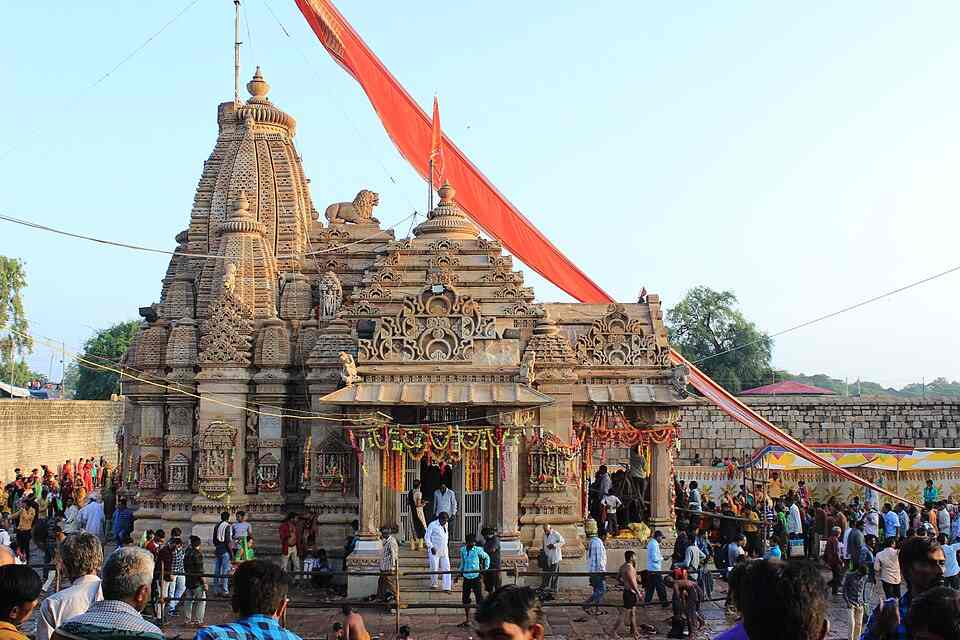
Designed on an inverted lotus base, the sanctum once housed the golden Surya idol over a subterranean vault. While the upper spire has collapsed, the ambulatory pathway (pradakshina patha) and the surrounding wall friezes depicting the 12 Adityas in tall riding boots (Udichyavesha style) continue to stun visitors.
🎉 Festivals: The Modhera Dance Festival
Every year during the third week of January (immediately following Uttarayan / Makar Sankranti), Gujarat Tourism hosts the world-famous Uttarardh Mahotsav (Modhera Dance Festival).
As evening descends, the ancient stone facade of the Sabha Mandapa and Surya Kund is bathed in golden spotlights. India's greatest classical exponents of Bharatanatyam, Kathak, Odissi, Kuchipudi, and Mohiniyattam perform under the winter stars, reviving the ancient temple’s artistic soul in an unforgettable celebration of rhythm, stone, and melody.
⏰ Timings & Light and Sound Show
| Activity / Facility | Timings | Visitor Details |
|---|---|---|
| Temple Complex Open | 7:00 AM – 6:00 PM daily | Open throughout the year for sightseeing and photography |
| Golden Hour Photography | 7:00 AM – 8:30 AM & 4:30 PM – 5:45 PM | Warm golden hue reflecting off yellow sandstone and water tank |
| 3D Projection Light & Sound Show | 7:00 PM – 7:45 PM (Evening) | Spectacular visual storytelling of Solanki history and sun lore |
| Active Worship / Aarti | None (ASI Monument) | Preserved archaeological heritage site; no active rituals |
🚗 How to Reach Modhera Sun Temple
🛣️ By Road
Excellent 4-lane highways connect Modhera to Ahmedabad (100 km / 2 hours), Mehsana (25 km), and Patan (35 km). GSRTC buses and private cabs run continuously.
🚆 By Rail
**Mehsana Railway Station (MSH)** is the closest major junction (25 km), well linked to Delhi, Mumbai, Jaipur, and Ahmedabad by express trains.
✈️ By Air
**Sardar Vallabhbhai Patel International Airport (AMD)** in Ahmedabad is just 95 km away, offering national and international flight connections.
💡 Expert Visitor Tips & Circuit Planning
- The Ultimate Solanki Circuit: Combine Modhera with a visit to the UNESCO World Heritage stepwell Rani Ki Vav in Patan (35 km) and the sacred Bahucharaji Mata Temple (15 km) for a premier 1-day heritage trip.
- Hire an ASI Guide: The temple is rich in hidden iconography (the 12 Adityas, Ramayana friezes, and zero-shadow alignment). A local ASI-certified guide brings every stone alive.
- Footwear Caution: Walking barefoot across the stone plinths during peak afternoon in summer (April–June) can be uncomfortable. Winter mornings and late afternoons are ideal.
- Solar-Powered Modhera: Modhera is India's first 24x7 solar-powered village, featuring an advanced solar battery storage system and eco-friendly heritage lighting.
Everything You Need to Know About Modhera Sun Temple
Essential information for tourists, historians, and architecture enthusiasts visiting Mehsana.
🙏 Conclusion
The Modhera Sun Temple is a timeless symphony written in sandstone. Witnessing the golden morning light reflect off the steps of Surya Kund and wander across the 52 carved pillars is a transcendent encounter with the cosmic spirit, intellectual genius, and artistic summit of medieval India.