🕉️ Introduction to Trinetreshwar Mahadev
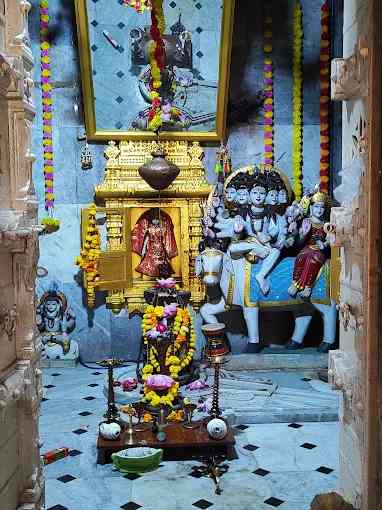
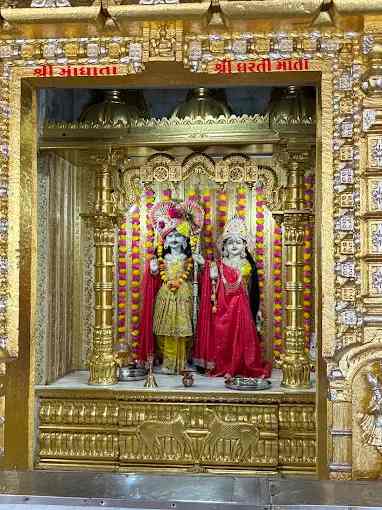
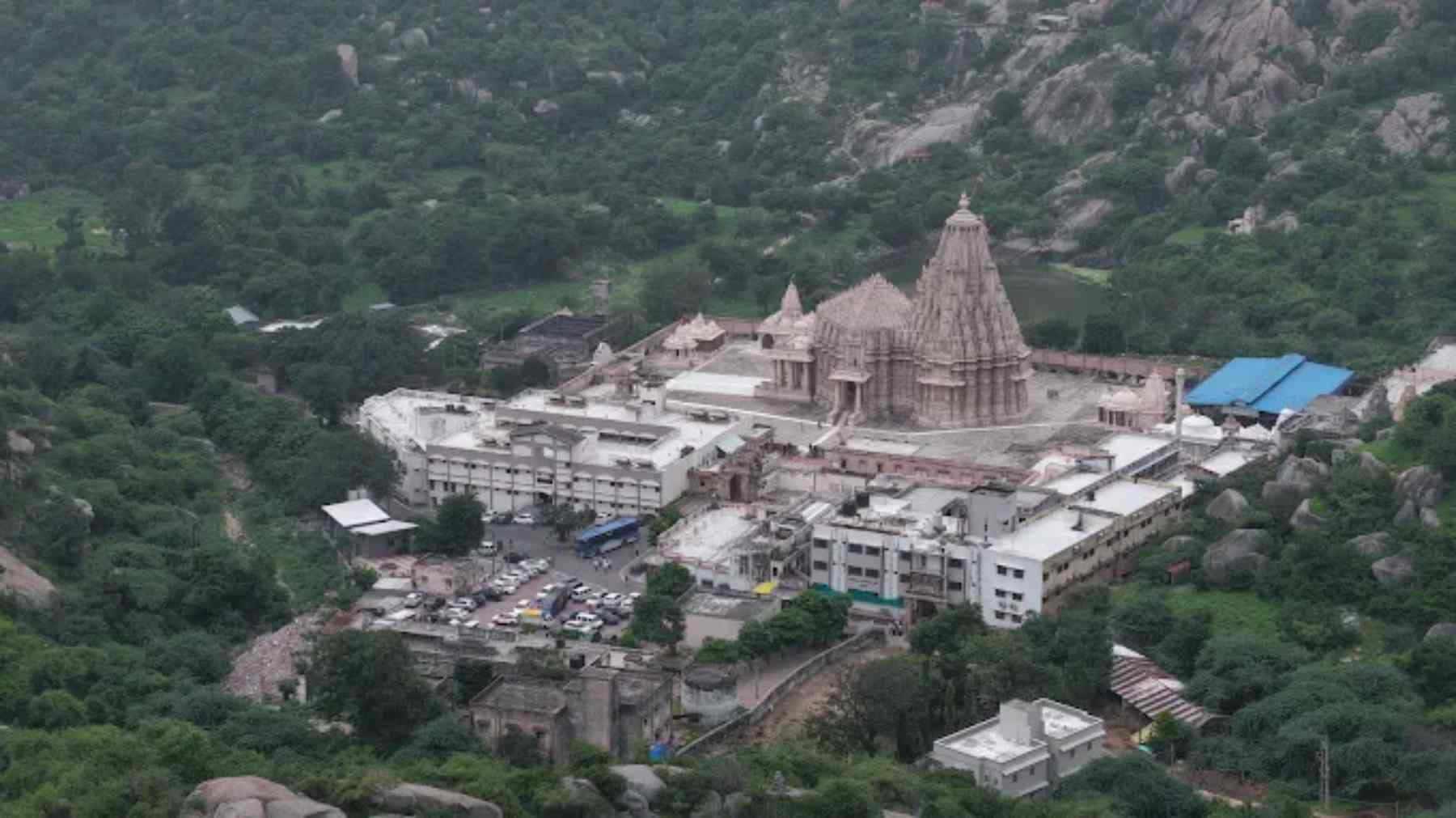
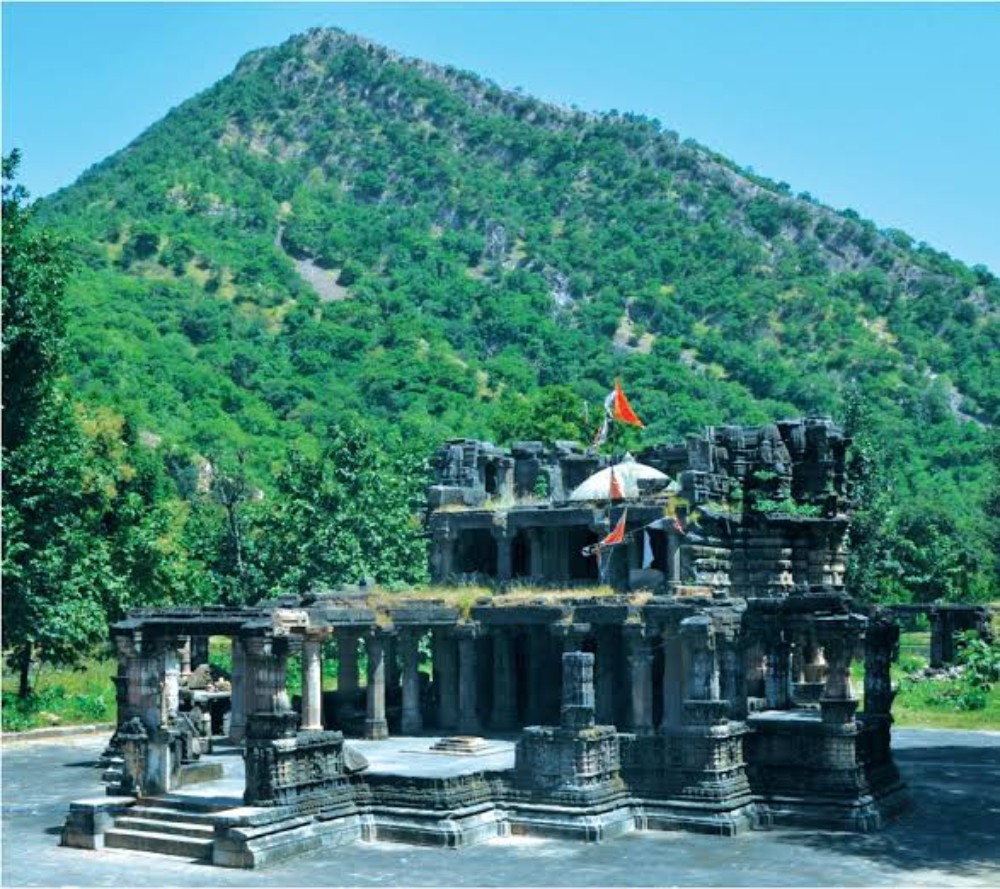
Hidden amidst the rugged, sun-drenched plains and volcanic soil of Thangadh in Surendranagar District, the Trinetreshwar (locally also revered as Trambakeshwar or Trimbak) Mahadev Temple at Tarnetar is one of Saurashtra’s most sacred and culturally resonant medieval sanctuaries. While the vibrant town of Thangadh is renowned nationwide as Gujarat's premier ceramic, clay, and terracotta hub, the historic rural hinterland of the Panchal region preserves deep mythological roots and rare 8th-century Gurjara-Pratihara architectural heritage.
Dedicated to Lord Shiva in his majestic three-eyed cosmic form (Trinetreshwar), this red and golden sandstone temple stands encircled by a stepped holy reservoir (Papnashu Kund). It is globally acclaimed not only as an Archaeological Survey of India (ASI) protected heritage site, but as the vibrant ceremonial epicenter of the annual Tarnetar Fair—a kaleidoscope of folk music, traditional tribal embroidery, and timeless Saurashtra pageantry.
📋 Quick Facts
| Primary Deity | Lord Shiva (Trinetreshwar / Trimbak Mahadev) |
|---|---|
| Location | Tarnetar Village, ~9 km from Thangadh, Surendranagar District, Gujarat |
| Historical Era | 8th Century CE (Gurjara-Pratihara Dynasty); restored 19th Century by Lakhtar State |
| Architectural Style | Gurjara-Pratihara / Early Nagara Stone Architecture |
| Historic Region | Ancient Panchal-desh (Panchal Bhumi) of Saurashtra |
| Sacred Reservoir | Papnashu Brahma Kund (Stepped ablution tank) |
| Key Cultural Event | The Annual Tarnetar Fair (Bhadrapad Shukla 4th–6th) |
| Best Time to Visit | August to March (Monsoon & Winter season) |
🌟 Spiritual & Cultural Significance
- Epicenter of Panchal Heritage: Situated in historic Panchal Bhumi, the temple is the principal spiritual anchor for Saurashtra’s proud pastoral and tribal clans, notably the Bharwad, Rabari, Charan, and Koli communities who have guarded its customs for centuries.
- The Holy Papnashu Kund: Surrounding the temple plinth on three sides is the stepped water tank revered as Papnashu ("Destroyer of Sins"). Local belief holds that an ablution in this sacred reservoir bestows merit equivalent to bathing in the holy Ganges River.
- Global Cultural Showcase: The temple grounds host Gujarat’s most vibrant cultural gathering—the world-renowned Tarnetar Fair, where thousands celebrate heritage through folk dance, music, and splendid handicrafts.
- ASI Protected Monument: Recognized and preserved by the Archaeological Survey of India (ASI) for its exceptional surviving 8th-century Gurjara-Pratihara stone masonry and sculpted relief work.
📜 History & Mythological Legends
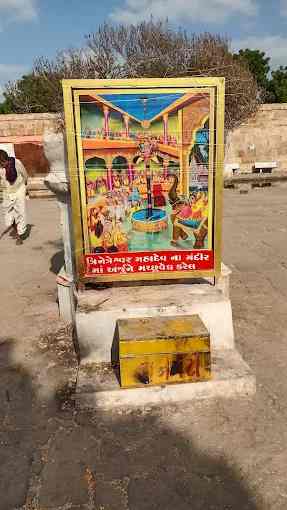
The Mahabharata Connection & Draupadi's Swayamvara: Deeply etched in the cultural memory of Saurashtra is the legend that this region was the historical kingdom of King Drupada of Panchal. According to enduring folklore, it was right on this sacred ground that the grand Swayamvara of Princess Draupadi took place. The third Pandava prince, Arjuna, performed the legendary Matsyavedha—shooting an arrow through the eye of a revolving wooden fish suspended on a high pole by looking solely at its moving reflection in the waters of the sacred Kund below.
Origin of the Name 'Trinetreshwar': Another sacred lore relates that Lord Shiva opened his cosmic third eye (Trinetra) at this consecrated spot to incinerate Kamadeva (the god of desire), when the celestial deity attempted to disrupt the Mahadeva’s intense mountain penance. The Lord thus became venerated here as Trinetreshwar, later colloquially pronounced as Trimbak or Trambakeshwar.
Historical Origins & Lakhtar Royal Restoration: Epigraphical and stylistic evidence traces the temple's earliest foundation to the 8th century CE under the illustrious Gurjara-Pratihara monarch Mihir Bhoj. In the late 19th century (circa 1898–1902 CE), King Karansinghji of the neighbouring princely state of Lakhtar undertook a meticulous reconstruction of the monument in cherished memory of his late son, Prince Kamsinhji, ensuring that the ancient Nagara stone aesthetics and carved elements were scrupulously preserved.
🛕 Architectural Splendour & Gurjara-Pratihara Craftsmanship
The Trinetreshwar Mahadev Temple is an outstanding representative of early medieval Western Indian temple architecture, showcasing the harmonious integration of stone carving and hydraulic design:
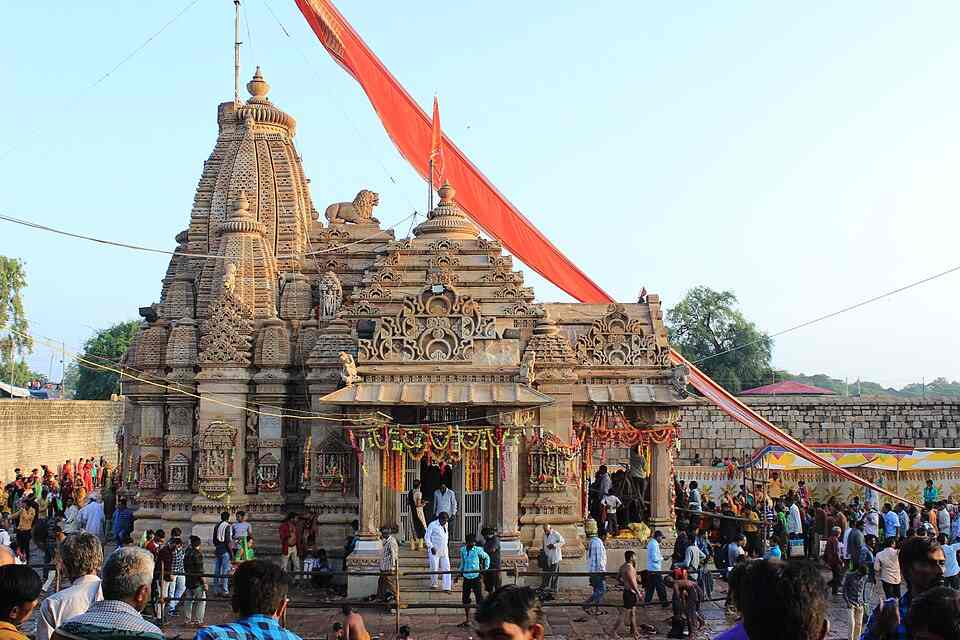
- The Towering Nagara Shikhara: The main curvilinear spire rising over the garbhagriha (sanctum sanctorum) is designed in classical Nagara style, crowned with an amalaka and kalasha. The exterior face of the shikhara is adorned with cascading miniature spires (urushringas) and intricate lattice-patterned chaitya arches.
- The Pillared Sabha Mandapa: The central assembly hall features a stepped pyramidal roof supported by heavy, exquisitely carved stone columns, bracket capitals, and carved pilasters depicting celestial deities, dwarapalas, and floral vines. It opens through three decorated pillared porches on the eastern, southern, and northern sides.
- The Sukhanasi & Lion Crest: Projecting gracefully forward from the base of the shikhara is the sukhanasi (vestibule roof), prominently crested with a vigorous stone carving of a rampant lion (vyala)—a hallmark of Solanki and Pratihara martial and royal iconography.
- The Brahma Kund Reservoir: The temple is intimately embraced on three sides by the stone-paved reservoir, with descending flights of steps (ghats) and miniature subsidiary shrines that create captivating reflections of the temple towers in the water.
🎉 Festivals & The World-Famous Tarnetar Fair
The Tarnetar Fair (Trinetreshwar Mahadev Mela): Celebrated every year during the bright fortnight of the Hindu month of Bhadrapad (August–September), the three-day Tarnetar Fair is one of Asia's most colorful and spirited cultural congregations. Traditionally functioning as a matrimonial gathering for youth from regional nomadic and pastoral communities, the festival is universally celebrated for its young bachelors carrying stunningly hand-embroidered Tarnetar Chhatris (umbrellas) adorned with mirror-work, lace, and vibrant tassels.
Thousands of men and women dressed in traditional backless chaniyas, embroidered dhotis, and silver ornaments gather in concentric circles to perform the electrifying Hudo and Raas dances to the thunderous beats of giant kettledrums (nagara) and shehnais.
Mahashivaratri & Shravan Maas: During the holy month of Shravan and on the night of Mahashivaratri, thousands of rural pilgrims arrive on foot to offer bilva leaves, milk, and sacred waters to the ancient Shivalinga, keeping continuous night-long vigil (jaagran) with devotional bhajans.
⏰ Temple Timings & Darshan Schedule
| Temple Activity | Timing |
|---|---|
| Temple Gates Open | 6:00 AM – 8:00 PM (Daily) |
| Morning Mangala Aarti | 7:00 AM |
| Evening Sandhya Aarti | 7:00 PM (Adjusted by sunset) |
| Best Photography Hours | Early morning (golden hour) and late afternoon for warm sandstone glow |
🚗 How to Reach Tarnetar Temple
- By Road: Tarnetar is located just 9 to 10 km northwest of Thangadh town and approximately 75 km northeast of Rajkot. It is easily reachable by taxis, auto-rickshaws, and Gujarat State Transport (GSRTC) buses operating from Thangadh, Chotila, and Surendranagar.
- By Rail: The nearest railhead is Thangadh Railway Station (~10 km away), which is well connected on the main Ahmedabad–Surendranagar–Rajkot broad-gauge rail corridor. For extensive national express trains, Surendranagar Junction (~55 km) is an excellent transit hub.
- By Air: Rajkot International Airport (Hirasar) is the closest major airport, located roughly 65 to 75 km away with daily flights connecting Mumbai, Delhi, and other major metros.
💡 Pilgrim & Traveler Tips
- Explore Thangadh’s Ceramic Art: Thangadh is the ceramic capital of Gujarat. Take time to visit local pottery studios and roadside workshops to purchase handcrafted terracotta planters, ceramic dinnerware, and rustic clay artifacts at factory rates.
- Combine with Chotila Chamunda Mataji: Located just 25 km away is the prominent hill-temple of Shree Chamunda Mataji at Chotila. Devotees routinely combine a visit to Trinetreshwar Mahadev with Chotila in a single rewarding day trip.
- Advance Planning for Tarnetar Fair: If visiting during the September fair, book transport and official tent-city accommodations (organized by Gujarat Tourism) several weeks ahead, as regional hotels fill up quickly with domestic and global travelers.
- Modest Attire: As with all traditional shrines in Saurashtra, visitors are requested to dress respectfully and remove footwear before ascending the temple platform.
❓ Frequently Asked Questions (FAQ)
🙏 Conclusion
The Trinetreshwar (Trimbak) Mahadev Temple of Tarnetar is an extraordinary convergence of epic Mahabharata legends, 8th-century Gurjara-Pratihara stone artistry, and the pulsating living traditions of Saurashtra’s rural folk. Standing resolute by its sacred water reservoir in the rocky Panchal terrain, this sacred sanctuary offers every pilgrim and traveler a profound spiritual communion and an unforgettable encounter with Gujarat’s timeless cultural soul.