🕉️ Introduction to Polo Forest Temples
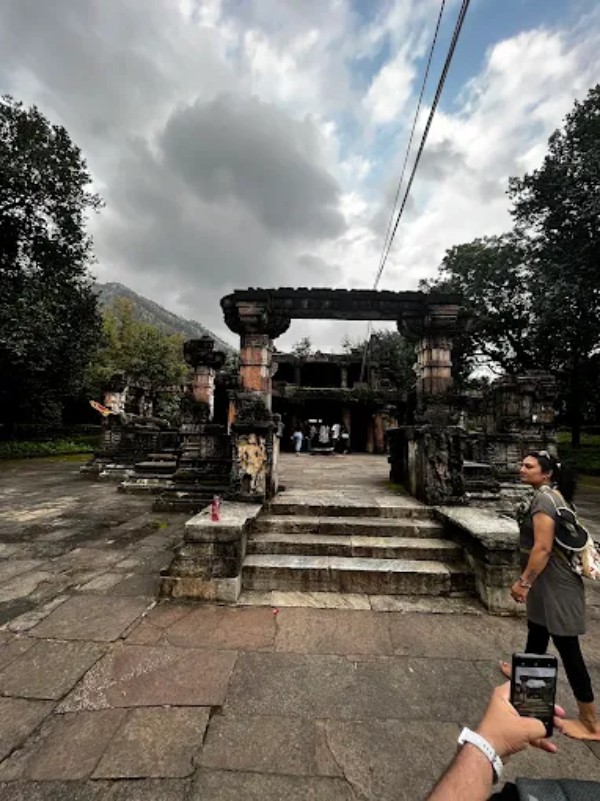
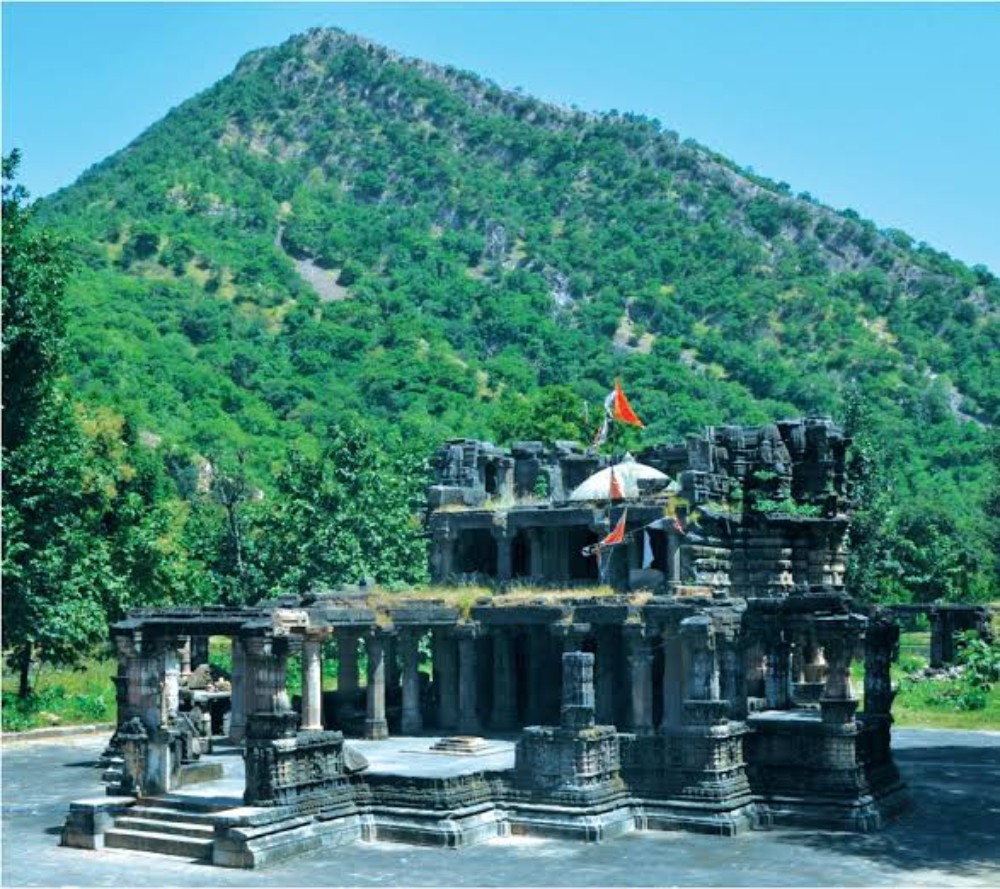
Hidden amidst the dense deciduous foliage and rugged stone outcroppings of the ancient Aravalli mountain range, the Polo Forest Temples Complex—anchored by the venerable Sharneshwar Mahadev Temple—stands as one of Gujarat’s most enchanting archaeological treasures. Located near Vijaynagar in the Sabarkantha district along the banks of the perennial Harnav River, this medieval cluster of Hindu and Jain temples dates back to between the 10th and 15th centuries.
Once a bustling fortified gateway city bridging the kingdoms of Gujarat and Rajasthan, the settlement was abandoned centuries ago to nature. Today, soaring sculpted spires, intricately carved stone pillars, and silent sanctums emerge gracefully through the forest canopy, creating an extraordinary fusion of raw wilderness, spiritual heritage, and medieval architectural craftsmanship.
📋 Quick Facts
| Primary Deity | Lord Shiva (Sharneshwar Mahadev), alongside Hatheshwar and Tirthankaras |
|---|---|
| Location | Polo Forest, near Abhapur Village, Vijaynagar Taluka, Sabarkantha, Gujarat |
| Historical Era | 10th to 15th Century CE (Parihar of Idar and Rathore rulers) |
| Architectural Style | Chaulukya (Solanki) & Māru-Gurjara nagara stone architecture |
| River & Geography | Harnav River valley surrounded by high Aravalli forest ridges |
| Visiting Hours | 8:00 AM – 6:00 PM daily (Daylight exploration recommended) |
| Entry Charges | Completely Free (Heritage sanctuary open to all travelers) |
| Best Time to Visit | October to March (Post-monsoon greenery, rushing streams and pleasant winters) |
| Distance from Cities | 150 km from Ahmedabad; 70 km from Himmatnagar via SH |
🌟 Significance of the Polo Forest Complex
The temples of Polo Forest hold a unique place in Indian heritage travel:
- A Living Medieval Time Capsule: Unlike urban temples that have been heavily modernized or altered with cement and paint, the Polo temples preserve their original dry-masonry sandstone blocks, displaying untouched medieval craftsmanship.
- The Harmony of Shaivite and Jain Shrines: The coexistence of the functional Sharneshwar Mahadev temple alongside ruined Jain temples like Lakhena Dehra illustrates the peaceful spiritual and mercantile syncretism that characterized medieval Gujarat.
- Active Faith in the Wilderness: Sharneshwar Mahadev remains a functioning pilgrimage site for local tribal villages and visiting sadhus, particularly resonant with sacred chants during Shravan and Mahashivaratri.
- Eco-Heritage Haven: The Harnav River, rich birdlife, butterflies, and seasonal waterfalls combine historical discovery with refreshing nature walks.
📜 History & Origin of the "Pol" Gateway
The intriguing name Polo is derived from the Marwari and Rajasthani word Pol, which translates to a massive doorway or gateway. Geographically nestled in a natural mountain pass between the plains of North Gujarat and the Mewar plateau of Rajasthan, this forest was a vital strategic outpost.
The city of Polo was founded in the 10th century by the Parihar rulers of Idar. In the late 12th to 14th centuries, the Rathores of Idar captured the region, using this mountain valley as a secluded, naturally fortified refuge during invasions from neighboring sultanates.
Following centuries of military skirmishes and shifting political power toward Idar and Vijaynagar, the settlement was gradually deserted. Over generations, the forest reclaimed the royal streets, palaces, and gateways, preserving the stone sanctuaries under a quiet canopy of teak, mahua, and banyan trees.
🛕 Architectural Masterpieces of the Complex
The monuments scattered across Polo Forest reflect the pinnacle of medieval Western Indian stone architecture:
🕉️ Sharneshwar Mahadev Complex
The primary active temple features an ornate sanctum with a Shivalinga, a pillared sabha mandapa carved with celestial dancers (apsaras), a stone Nandi, and an adjacent multi-tiered stepwell (kund) where cool mountain spring water still collects.
🏛️ Hatheshwar & Lakhena Jain Dehra
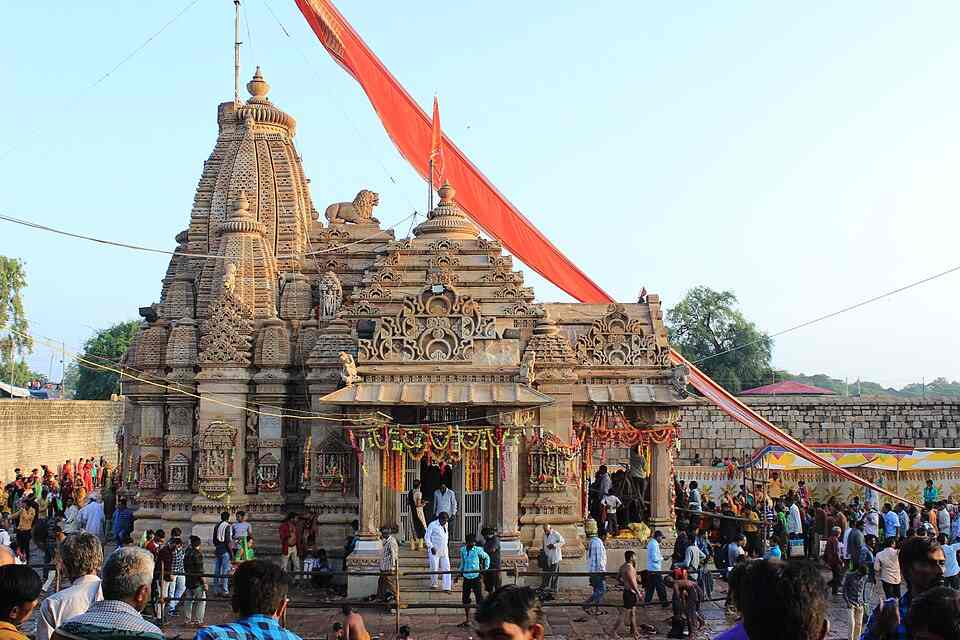
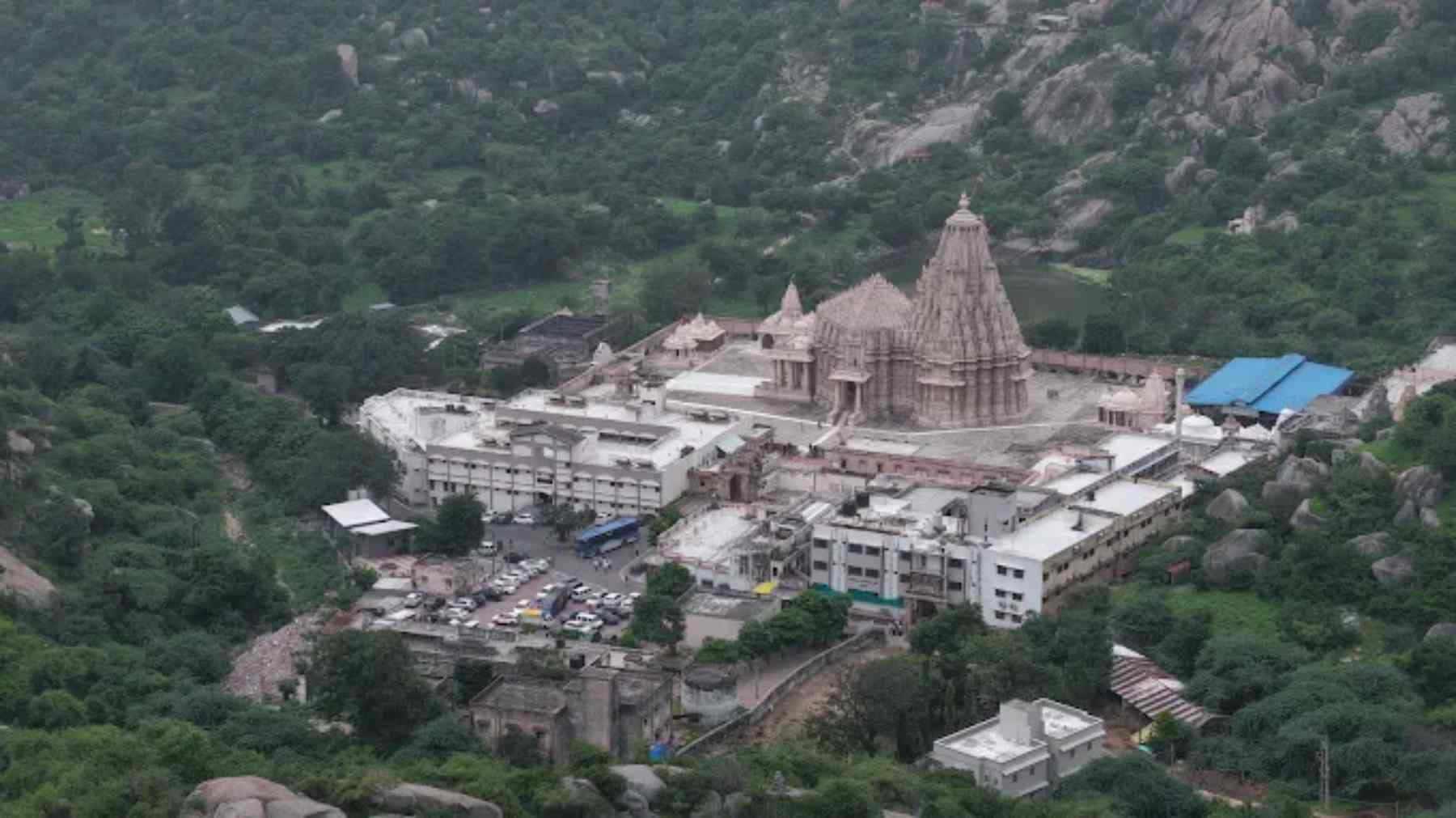
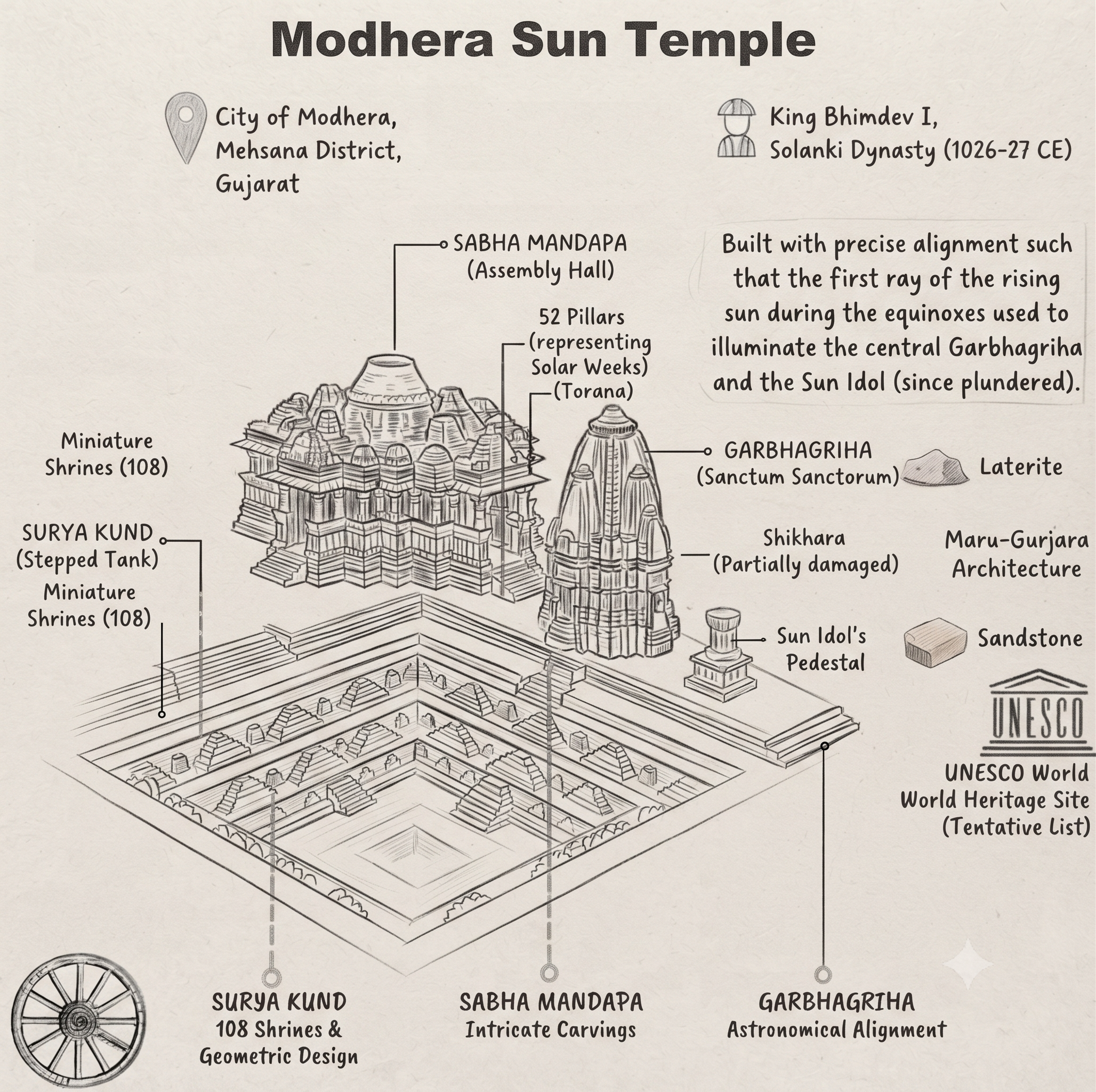
Located deeper along the forest path, these structures feature towering stone spires, corbelled ceilings carved with delicate lotus medallions, and open peristyle halls that mirror the finesse of the Sun Temple at Modhera.
Mortarless Interlocking Stonework: The temples were assembled using the classical dry-joint technique, where massive blocks of locally quarried sandstone and schist were fitted together with precise grooves and dowels, allowing them to withstand earthquakes and monsoon rains for over six centuries.
🎉 Festivals & Celebrations
- Mahashivaratri: The Sharneshwar temple comes alive with oil lamps, night vigils, and sacred Rudra Abhisheka as tribal villagers from surrounding hills gather to offer milk, bilva leaves, and wild forest flowers.
- Holy Shravan Month: During the monsoon Mondays of Shravan, nature enthusiasts, pilgrims, and families trek through the misty, verdant forest to seek the blessings of Mahadev amidst cascading river waters.
- Gujarat Polo Utsav: Organized during the winter months by Gujarat Tourism, the festival introduces travelers to tribal folk music, handicraft markets, camping, and guided heritage walks through the ruins.
⏰ Timings & Daily Schedule
| Schedule / Activity | Timings | Visitor Experience |
|---|---|---|
| Forest Area Access | Sunrise to Sunset (Approx. 8:00 AM – 6:00 PM) | Entry gates to the forest are managed for wildlife and safety |
| Sharneshwar Mahadev Darshan | Continuous throughout daylight hours | Active pujas in the morning and evening by the local priest |
| Harnav River Walk & Check Dam | 9:00 AM – 5:00 PM | Picturesque walks along the riverbanks and ruined brick pavilions |
🚗 How to Reach Polo Forest Temples
🛣️ By Road
Smooth state highways connect Polo Forest from Ahmedabad (150 km via Himmatnagar and Idar). Private vehicles or rented cabs are best for flexible travel between dispersed forest monuments.
🚆 By Rail
The nearest railway station is **Himmatnagar Junction** (approx. 70 km away), while **Ahmedabad Railway Station (ADI)** provides nationwide express connectivity.
✈️ By Air
**Sardar Vallabhbhai Patel International Airport (AMD)** in Ahmedabad (145 km) is the closest domestic and international air terminal, roughly a 3-hour drive away.
💡 Practical Explorer Tips
- Wear Sturdy Footwear: The various temple ruins are spread across forest trails with exposed tree roots, loose gravel, and river stones. Wear good walking or trekking shoes.
- Carry Essentials: Commercial shops inside the forest are scarce. Always carry sufficient drinking water, light snacks, and a portable battery pack.
- Network & Offline Maps: Cellular reception can be weak or absent within deep forest valleys. Download offline maps and guides before entering the forest checkpost.
- Preserve the Sanctity: Polo Forest is a protected eco-zone. Do not litter, avoid playing loud music, and treat these ancient stone sanctuaries with reverence.
Everything You Need to Know About Polo Forest & Sharneshwar Mahadev
Essential information for heritage enthusiasts, photographers, and pilgrims planning a trip.
🙏 Conclusion
The Polo Forest Temples Complex and Sharneshwar Mahadev represent a magical harmony of wilderness and sacred architecture. Walking among these silent medieval stone ruins under the shadow of the Aravalli hills evokes a profound sense of peace and wonder, making it an unmissable destination for every cultural traveler in Gujarat.