🕉️ Introduction to Taranga Hills
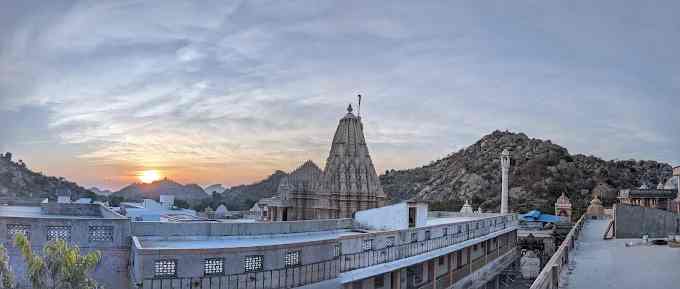
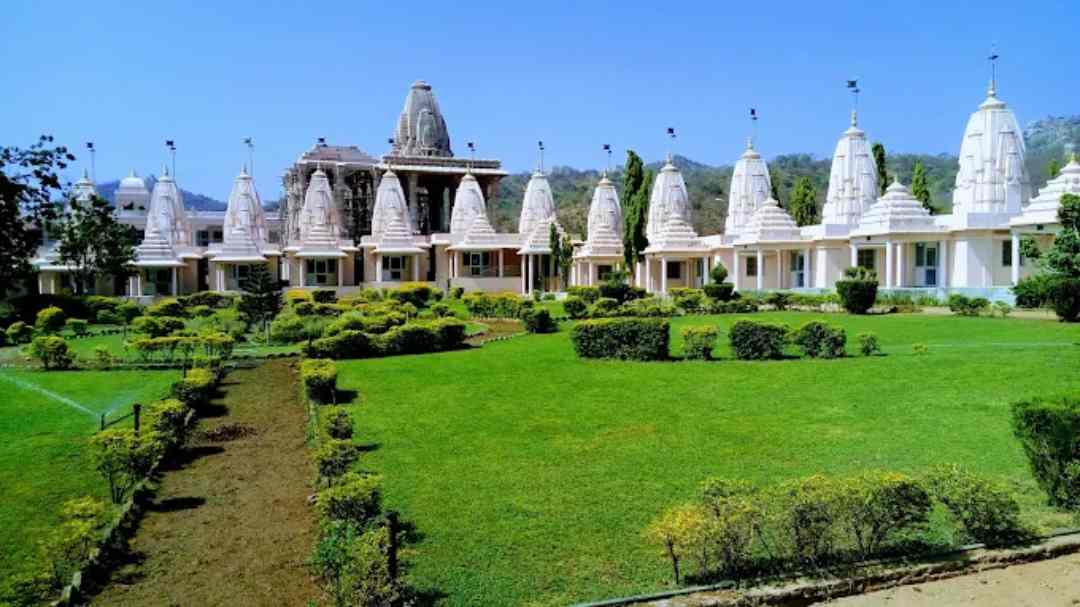
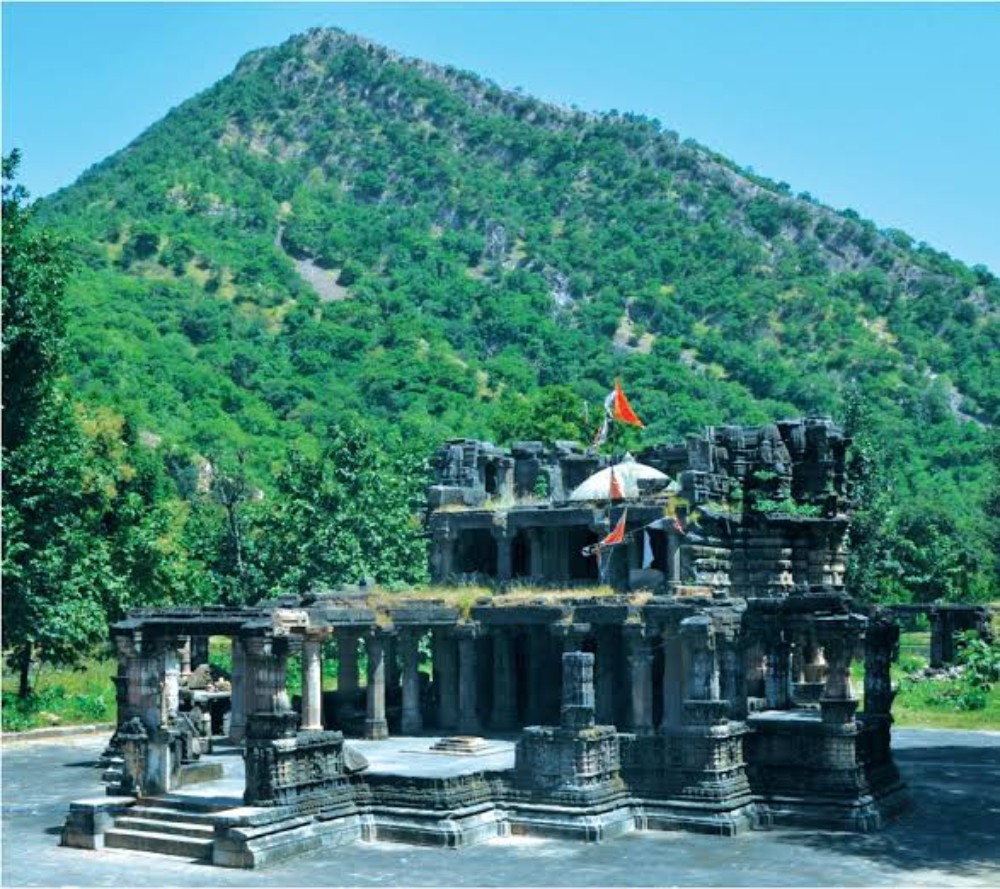
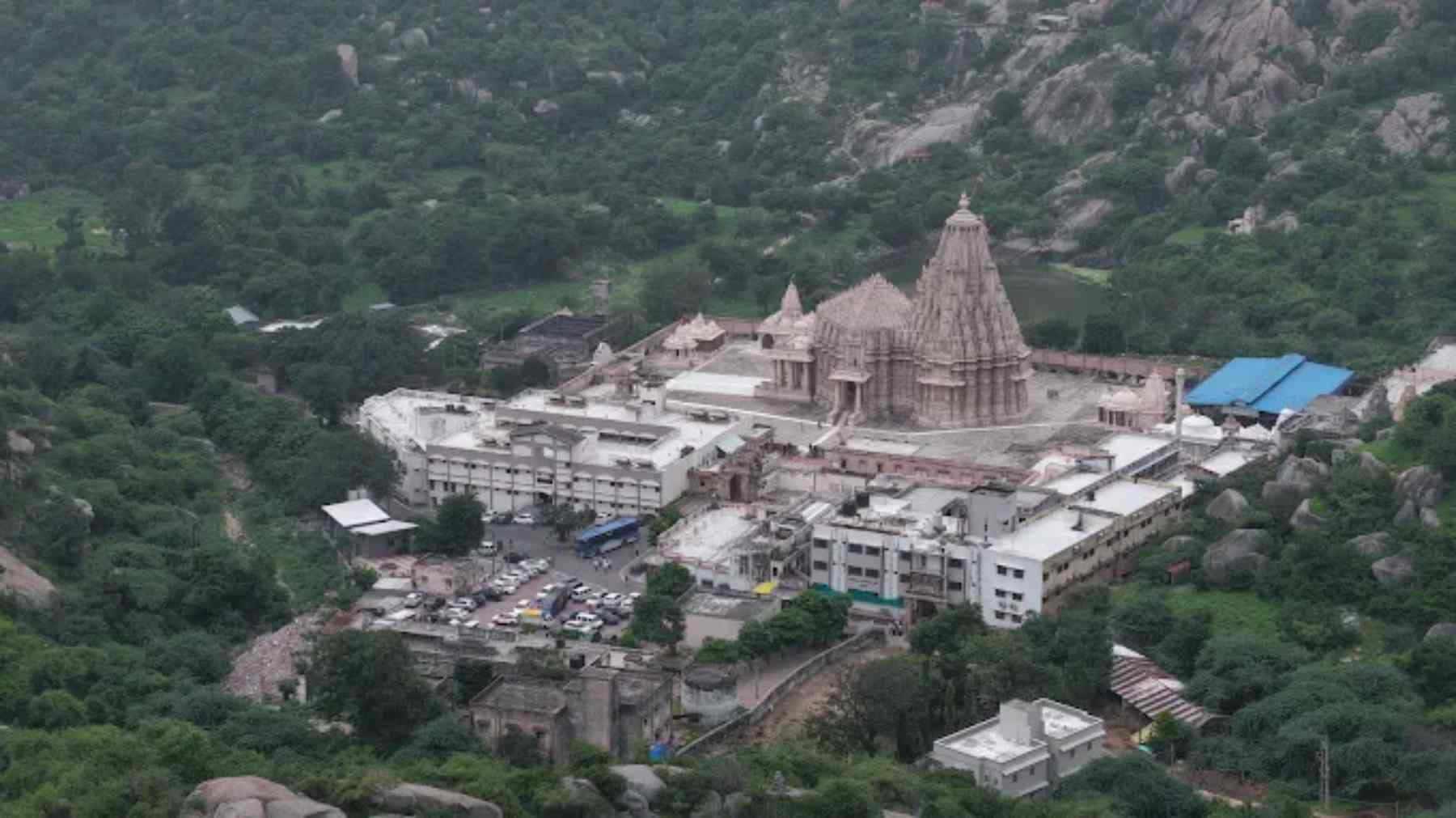
Rising with dramatic limestone ridges and forested slopes out of the plains of North Gujarat, Taranga Hills in Kheralu Taluka of Mehsana district is one of Western India's most extraordinary spiritual and architectural sanctuaries. Crowned by the globally celebrated 12th-century white and pale yellow sandstone Shri Ajitanatha Jain Derasar and complemented by the mysterious rock-hewn cave shrine of Siddhanath Mahadev on its higher mountain spur, Taranga represents an inspiring confluence of Jain asceticism and ancient Shaivite devotion.
Constructed under the visionary patronage of the Solanki monarch King Kumarpal and the spiritual guidance of polymath Acharya Hemchandracharya, the monument is a premier pilgrimage center (*tirth*) of the Svetambara and Digambara traditions alike. With its stone-paved hill trails, cool mountain breezes, ancient Buddhist caves, and panoramic valley views over the Aravalli range, Taranga is equally a paradise for heritage lovers, pilgrims, and trekkers.
📋 Quick Facts
| Primary Deities | Lord Ajitanatha (2nd Jain Tirthankara) & Lord Shiva (Siddhanath Mahadev) |
|---|---|
| Location | Taranga Hills, near Timba village, Kheralu Taluka, Mehsana District, Gujarat |
| Altitude | Approx. 1,000 to 1,200 feet above sea level (Aravalli hill range) |
| Historical Builder | Solanki King Kumarpal (Advised by Kalikala Sarvajna Acharya Hemchandracharya) |
| Consecration Date | 1161 CE (12th Century, Golden Era of Solanki architecture) |
| Architectural Style | Māru-Gurjara (Solanki) dry-joint stone and marble architecture |
| Visiting Hours | 6:00 AM – 6:00 PM daily (Daylight trekking recommended) |
| Entry Fee | Completely Free (Both Jain Derasar and Shiva shrine) |
| Best Season to Visit | October to March (Crisp winter mornings and post-monsoon greenery) |
| Distance from Hubs | 75 km from Mehsana; 130 km from Ahmedabad via state highway |
🌟 Significance of the Taranga Hills Complex
Taranga holds immense cultural, architectural, and spiritual stature:
- Zenith of Solanki Stonemasonry: Alongside Dilwara at Mount Abu and the Sun Temple at Modhera, the Ajitanatha Derasar is considered one of the three finest architectural triumphs of the Solanki era, built with precision interlocking blocks without iron rivets.
- Harmonious Dual-Faith Landscape: The hill peacefully unites two great ancient traditions: the grand, serene Svetambara/Digambara Jain tirth on the main plateau, and the rugged, mystical Siddhanath Mahadev cave shrine perched on the higher summit trail.
- Kumarpal’s Penance & Hemchandracharya’s Legacy: Commissioned by King Kumarpal after his historic conversion to non-violence (Ahimsa), the temple immortalized Gujarat’s 12th-century golden age of peace and scholarship.
- Rewarding Hill Pilgrimage Trek: Stone steps wind gracefully through rocky defiles, historical watchtowers, and prehistoric caves, offering travelers breathtaking views of the Sabarkantha and Mehsana plains.
📜 History & Royal Consecration
The historical genesis of Taranga is deeply documented in Jain chronicles including the Kumarpal Pratibodha and Prabhavaka Charita:
Kumarpal's Royal Vow: Legend relates that after adopting the Jain faith, King Kumarpal sought to construct an enduring mountain sanctuary for Lord Ajitanatha that would rival the legendary shrines of Shatrunjaya and Girnar. Inspired by Acharya Hemchandracharya, he selected the secluded peak of Taranga, dedicating state revenues to assemble the finest master sculptors (*sompuras*) from across Gujarat and Rajasthan.
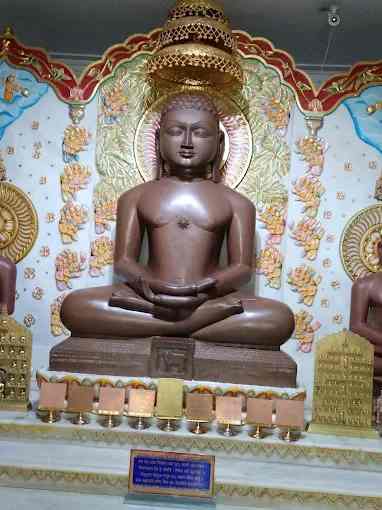
The colossal sanctum idol of Lord Ajitanatha—measuring over 2.75 meters (9 feet) in seated Padmasana posture—was sculpted from pristine white marble and consecrated in 1161 CE amidst grand festivities that drew thousands of scholars and monks.
The Antiquity of Siddhanath Mahadev: Local mountain lore records that even before the Solanki monarchs constructed the marble temple, the secluded caves of Taranga were inhabited by Shaivite yogis and Siddha ascetics. The naturally sheltered Shivalinga at Siddhanath Mahadev was worshipped as a giver of spiritual accomplishment (*siddhi*), maintaining an unbroken lineage of forest devotion.
🛕 Architectural Masterpieces Across the Ridge
The monuments scattered across Taranga present a captivating study of contrasting architectural styles:
🏛️ The Ajitanatha Jain Derasar
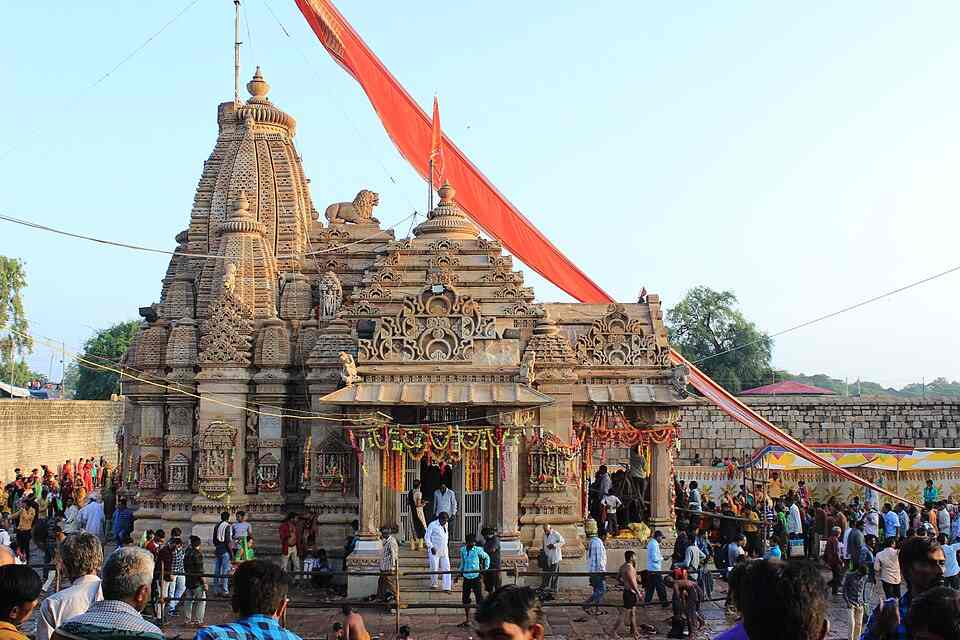
Measuring an astonishing 142 feet high, 150 feet long, and 100 feet wide, the temple's soaring sandstone shikhara is adorned with miniature spire clusters (*urushringas*). Inside, the multi-tiered octagonal dome (*mandapa*) features carved dancing vidyadharis, bracket figures, and intricately corbelled marble rings.
🕉️ Siddhanath Mahadev Cave Shrine
Perched higher up the rocky ridge, this rugged shrine is built directly into a natural cliff ledge. It houses an ancient stone Shivalinga surrounded by natural stone walls, a tranquil courtyard, and panoramic vistas overlooking the northern valleys.
Buddhist Caves (Tara Devi Relics): Archaeological excavations on the northern slopes have revealed ancient 4th–8th century CE rock-cut Buddhist caves and idols of Goddess Tara, giving historical weight to the ancient name Tarapur or Taranga.
🎉 Fairs & Religious Celebrations
- Kartik Purnima Festival: Celebrated during October/November, thousands of devotees ascend the hill trails on foot, holding ceremonial flags, performing holy parikramas, and participating in temple illumination ceremonies.
- Mahashivaratri: The mountain ridge around Siddhanath Mahadev echoes with chants of "Har Har Mahadev" as local hill tribes, villagers, and adventure seekers climb for night-long prayers and milk offerings.
- Chaitra Purnima & Mahavir Jayanti: Special chariot processions (*rath yatra*), scriptural recitations, and community meals (*bhojanshala*) are held at the grand Jain dharamshala complex at the base.
⏰ Visiting Hours & Darshan Schedule
| Activity / Shrine | Timings | Visitor Guidelines |
|---|---|---|
| Hill Trekking & Gate Access | 6:00 AM – 6:00 PM | Climbing is restricted after dark for forest and wildlife safety |
| Ajitanatha Jain Derasar Darshan | 6:30 AM – 5:30 PM | Standard puja clothes (dhoti/khes) required for inner sanctum entry |
| Siddhanath Mahadev Darshan | 7:00 AM – 5:00 PM | Accessible throughout daytime via the mountain stone stairway |
| Jain Bhojanshala (Meals) | 11:00 AM – 1:30 PM & 5:00 PM – Sunset | Traditional pure satvik Jain meals available for pilgrims |
🚗 How to Reach Taranga Hills
🛣️ By Road
Well-connected via smooth state highways through Visnagar and Kheralu. Located 75 km from Mehsana and 130 km from Ahmedabad. Regular state transport buses (GSRTC) and private cabs operate to the foothills.
🚆 By Rail
**Taranga Hill Railway Station** is the historic local terminal. Major national express trains connect through **Mehsana Junction (MSH)** (75 km away).
✈️ By Air
**Sardar Vallabhbhai Patel International Airport (AMD)** in Ahmedabad (approx. 125 km) is the nearest airport, a convenient 2.5-hour drive by highway.
💡 Practical Trekking & Pilgrim Tips
- Wear Supportive Footwear: The trail between the Jain temple complex and Siddhanath Mahadev involves climbing stone-cut stairs and uneven rocky paths. Wear good trekking or sports shoes.
- Early Morning Ascent: Start your visit in the early morning to enjoy gentle breezes and witness the dawn light washing across the white marble domes.
- Hydration & Sun Protection: Carry a water bottle and wear a hat, as midday sunshine can be intense on open rock surfaces.
- Stay & Dining Facilities: Excellent modern dharamshalas and traditional dining halls (*bhojanshalas*) are maintained at the base by the Jain Anandji Kalyanji Trust.
Everything You Need to Know About Taranga Hills
Essential guidelines for pilgrims, trekkers, and history enthusiasts visiting Mehsana.
🙏 Conclusion
The Taranga Hills complex is an awe-inspiring convergence of medieval marble grandeur, mountain wilderness, and sacred harmony. Whether you are trekking up the stone trail to seek blessings at Siddhanath Mahadev or admiring the celestial carvings of the Ajitanatha Derasar, Taranga rewards every traveler with an indelible experience of peace and wonder.