🕉️ Introduction to Shree Shamlaji Vishnu Mandir
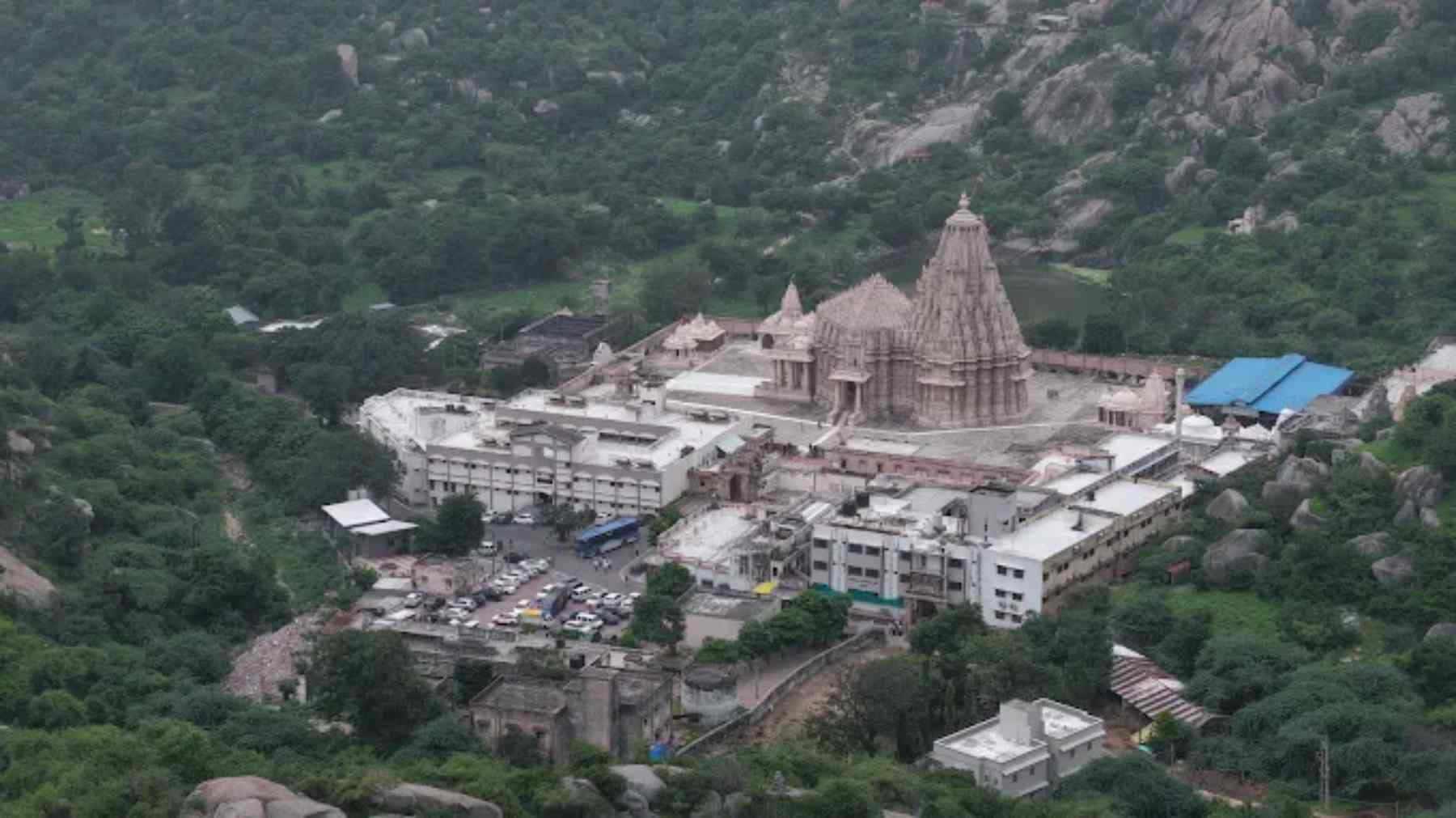
Nestled on the tranquil, tree-fringed banks of the sacred Meshwo River in Gujarat's scenic Aravalli district, the Shree Shamlaji Vishnu Mandir is one of the most venerated and architecturally celebrated Vaishnava pilgrimage shrines in western India. Dedicated to Lord Vishnu in his captivating dark-skinned manifestation as Shamlaji (also worshipped as Gadadhar), this ancient temple stands at the intersection of classical Vedic traditions and deep-rooted tribal folk heritage.
Revered across Gujarat and Rajasthan as a vital Krishna Kshetra, the shrine is affectionately hailed by regional Bhil and Garasia adivasi communities as Kaliyo Dev (The Dark Divine Lord). Combining towering Nagara stone spires, continuous friezes from the Hindu epics, and an unbroken tradition of royal and merchant patronage dating back to the Solanki era, Shamlaji is a timeless beacon of spiritual unity.
📋 Quick Facts
| Presiding Deity | Lord Vishnu / Krishna (Shamlaji, Gadadhar, Kaliyo Dev) |
|---|---|
| Location | Banks of Meshwo River, Shamlaji Town, Aravalli District, Gujarat |
| Architectural Style | Chaulukya (Māru-Gurjara) & Western Indian Nagara style |
| Historical Era | 11th-century Solanki foundations; present structure renovated in 15th–16th century |
| River Sanctity | Sacred Meshwo River & surrounding Kunds (Karmanu, Surya Reservoir) |
| Darshan Timings | 6:00 AM – 8:00 PM daily (Afternoon break 12:30 PM – 2:00 PM) |
| Entry Fee | Completely Free (Special puja receipts available at temple trust office) |
| Best Season to Visit | October to March (Particularly grand during Kartik Purnima fair) |
| Nearest Major City | Ahmedabad (130 km) & Modasa (29 km) via NH 48 |
🌟 Deep Spiritual & Cultural Significance
Shree Shamlaji Mandir occupies a distinct space in the sacred geography of Western India:
- The Living Harmony of Vedic & Tribal Faith: While orthodox Vaishnavas worship the sacred deity with traditional Vedic rituals and elaborate ashtachhapa kirtans, local tribal communities arrive in vibrant processions, singing stirring folk bhajans and addressing the Lord with loving intimacy as Kaliyo Dev.
- Path of Krishna’s Western Journey: Puranic legends celebrate Shamlaji as one of the blessed holy havens visited by Lord Krishna during his historic migrations toward Saurashtra and coastal Dwarka.
- Healing Waters of the Meshwo: The natural rock pools and kunds formed by the Meshwo river along the temple perimeter—most notably the Karmanu pond and Surya Kund—have for centuries been revered for their cleansing spiritual potency and therapeutic minerals.
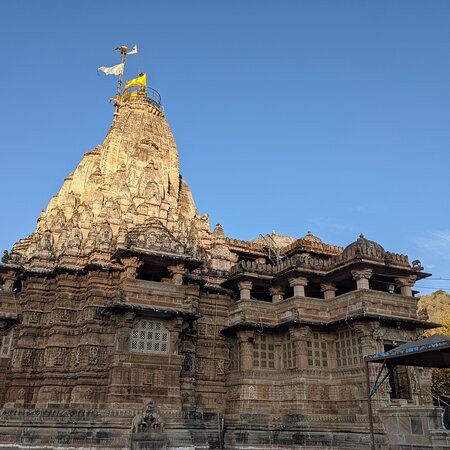
- "Dholi Dhajawala" Folklore: Unlike many temples that unfurl saffron banners, Shamlaji is universally recognized by the majestic white silk flag (Dholi Dhaja) fluttering atop its stone pinnacle, symbolizing pristine transcendence, peace, and universal refuge.
📜 Legendary Lore & Historical Heritage
The origin of the shrine is wrapped in mesmerizing oral traditions and documented medieval epigraphy:
The Spontaneous Milk Offering (Surabhi Legend): According to ancient folk lore, an ordinary cow from a nearby village would wander daily to a particular pasture along the Meshwo river and spontaneously empty her udder over a buried mound. Perplexed villagers dug into the soil and unearthed the pristine, four-armed black stone murti of Lord Vishnu, prompting the local chieftain to construct the sanctum on this sacred ground.
Another famous legend recounts the arrival of a divine celestial sculptor (believed to be Vishwakarma) who carved the intricate black schist deity in absolute secrecy within a single night, disappearing into the morning mist before sunrise.
Historical Timeline: Archaeological excavations prove that the Shamlaji region was a flourishing civilizational and religious hub from as early as the 3rd to 5th centuries CE (evidenced by the famous Buddhist remains at nearby Devni Mori). The core foundations of the Hindu temple trace to the 11th century under the Solanki kings of Gujarat.
Inscriptions found on the pedestal of the temple’s bronze Garuda statue date extensive reconstructions and additions to the late 15th and early 16th centuries, undertaken by wealthy guild merchants and the royal rulers of the neighbouring Idar State.
🛕 Architectural Splendor & Stone Carvings
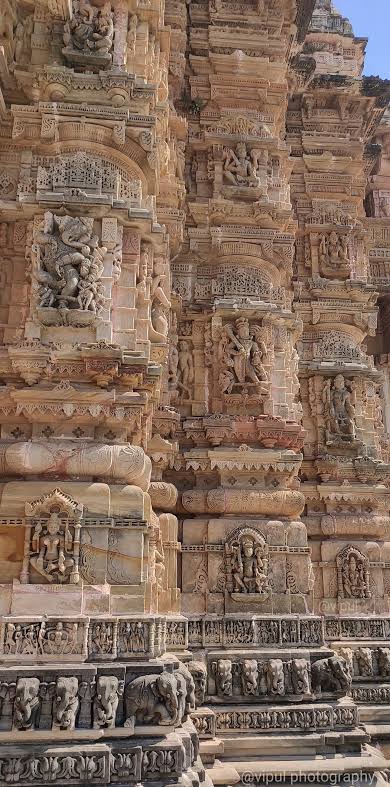
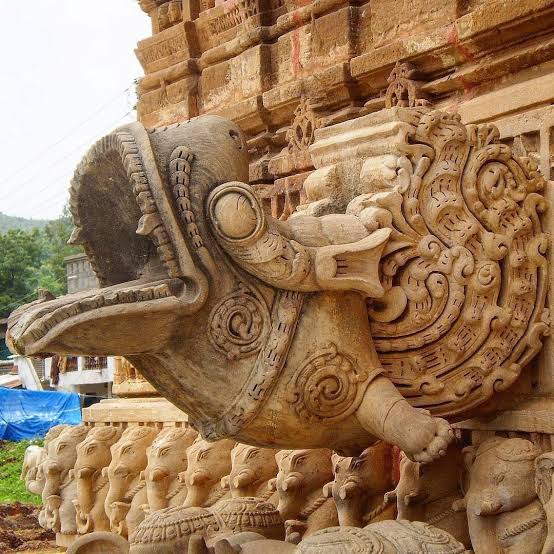
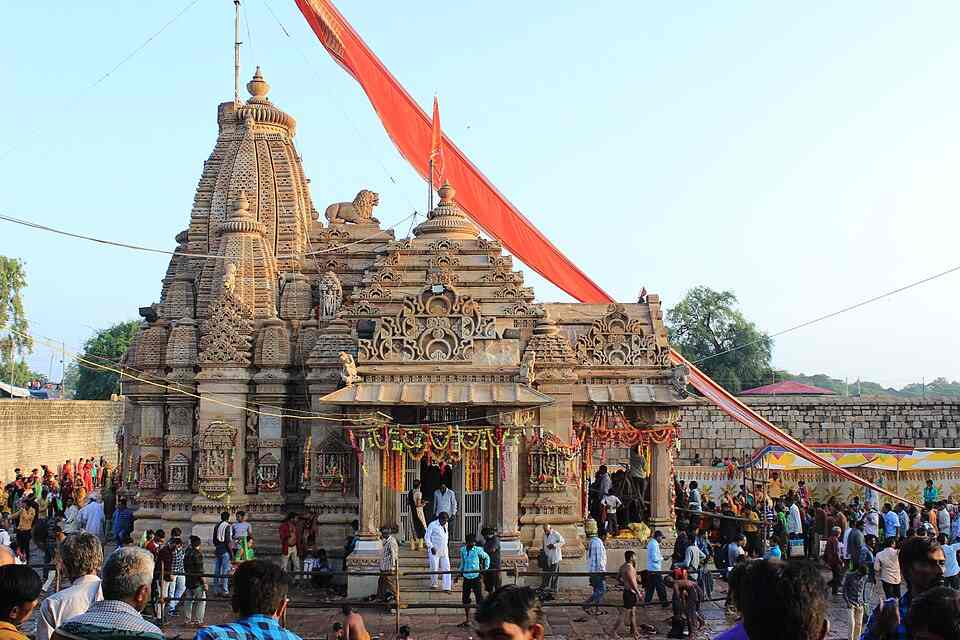
The Shamlaji Temple is one of the grandest examples of the Chaulukya-Nagara architectural tradition, renowned for its balance of structural strength and delicate stone filigree:
🏛️ Mandapa, Ornate Pillars & Ceilings
The grand Sabha Mandapa (assembly hall) rests on dozens of deeply carved sandstone pillars adorned with celestial apsaras, musicians, floral arabesques, and intricately corbelled lotus-shaped domical ceilings.
📜 Epic Relief Panels on Outer Walls
The exterior plinth functions as a colossal stone comic book, presenting continuous carved friezes depicting scenes from the Ramayana, Mahabharata, and Bhagavata Purana alongside war-elephant processions and dancing nymphs.
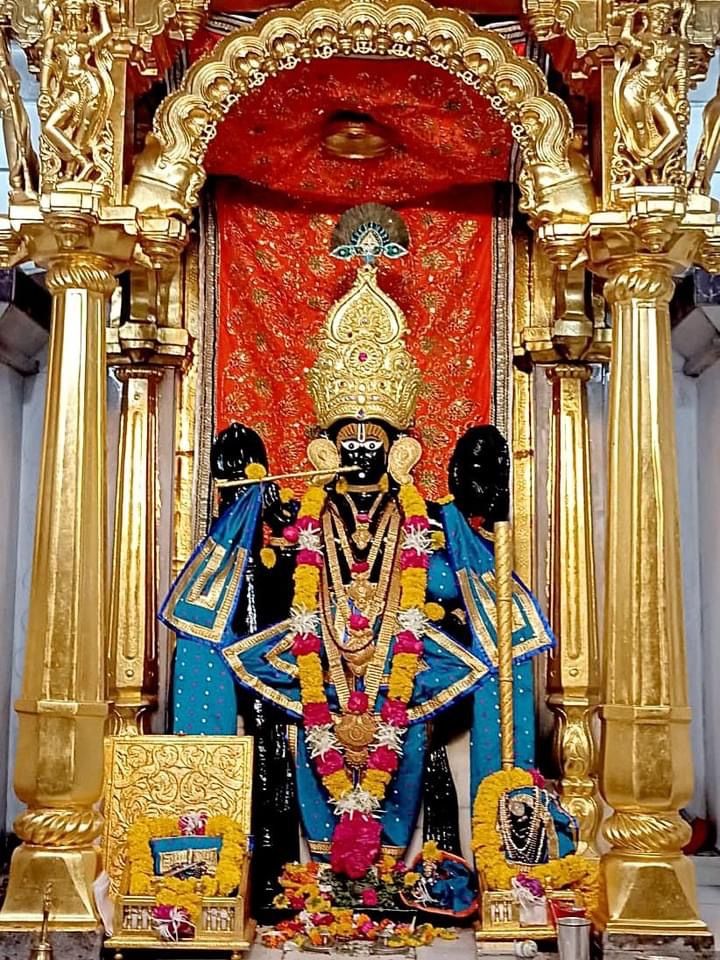
The Sanctum Murti: In the innermost sanctum sits the life-sized, sublime murti of Lord Vishnu sculpted from rare, lustrous dark greenish-black schist. Adorned with a towering crown (kirit-mukuta), royal silks, and heavy antique ornaments, the deity exudes serene grace and commanding spiritual presence.
🎉 Fairs & Festivals at Shamlaji
- Shamlaji Melo (Kartik Purnima Fair): Spanning three to five days during Kartik Sud 15 (October/November), this is Gujarat’s largest tribal congregation. Hundreds of thousands of devotees gather with musical instruments (dhol and shehnai) to dance, sing traditional devotional ballads, and take holy ablutions in the Meshwo.
- Krishna Janmashtami: The celebration of Lord Krishna's divine birth is observed with midnight abhishekam, grand mahaprasad, classical bhajan recitals, and thousands of oil lamps illuminating the riverbank.
- Dev Diwali & Annakut: Following Diwali, a lavish feast comprising hundreds of traditional dishes (Annakut) is lovingly offered to Shamlaji, accompanied by vibrant floral decorations and evening fireworks.
⏰ Daily Darshan & Aarti Schedule
| Ritual / Darshan | Timings | Spiritual Experience |
|---|---|---|
| Temple Gate Opening | 6:00 AM | Sanctum opens for morning circumambulation and prayer |
| Mangala Aarti | 6:30 AM | Early morning worship with sacred conch blowing and incense |
| Shringar Darshan | 8:00 AM – 12:30 PM | Darshan of the Lord adorned in royal vestments and jewelry |
| Rajbhog & Afternoon Rest | 12:30 PM – 2:00 PM | Sanctum temporarily closed for bhog offering and deity rest |
| Afternoon & Evening Darshan | 2:00 PM – 8:00 PM | Open for continuous darshan and parikrama |
| Sandhya Aarti | Around 7:00 PM (Sunset) | Grand evening lamp-lighting ceremony with resonant bells |
🚗 How to Reach Shamlaji Temple
🛣️ By Road
Located directly on National Highway 48 (Ahmedabad–Udaipur corridor). Regular state express buses (GSRTC/RSRTC) and private cabs link Shamlaji to Ahmedabad (130 km), Himmatnagar (55 km), and Modasa (29 km).
🚆 By Rail
The nearest local railhead is **Shamlaji Road** (approx. 14 km). For nationwide superfast express trains, **Ahmedabad Junction (ADI)** (135 km) and **Himmatnagar** serve as major transit hubs.
✈️ By Air
**Sardar Vallabhbhai Patel International Airport (AMD)** in Ahmedabad (125 km) is the closest international airport, offering seamless flight connections across India and worldwide.
💡 Recommended Travel Tips & Excursions
- Explore Shyamalvan: Just adjacent to the temple complex lies Shyamalvan, a beautifully landscaped cultural theme garden developed by the Gujarat Forest Department featuring diverse herbal and medicinal plants.
- Buddhist Heritage at Devni Mori: Located just 2 km away, history and archaeology enthusiasts must not miss Devni Mori, a globally renowned 3rd–4th century CE Buddhist site where a monumental stupa, vihara, and casket relics were discovered.
- Fair Planning: If visiting during the vibrant Kartik Purnima fair, book accommodation in advance at Modasa or Himmatnagar, as temple guest houses fill rapidly.
- Photography Etiquette: Photography of the temple exterior, stone pillars, and riverbanks is permitted, but photography inside the inner sanctum is strictly prohibited.
Everything You Need to Know About Shamlaji Vishnu Mandir
Key details for pilgrims, travelers, and heritage enthusiasts planning a visit to Aravalli.
🙏 Conclusion
Shree Shamlaji Vishnu Mandir is a magnificent triumph of medieval stonecraft, timeless Vaishnava spirituality, and vibrant tribal devotion. Standing serenely on the shores of the Meshwo River with its majestic white flag rippling against the Aravalli hills, a pilgrimage to Kaliyo Dev touches the deepest chords of Gujarat's living heritage.