🕉️ Introduction to Koteshwar Mahadev Temple
Perched dramatically atop a high stone plinth overlooking the churning tides of the Arabian Sea, Koteshwar Mahadev Temple stands as the ultimate spiritual outpost on the western frontier of India. Situated near the mouth of Kori Creek in Lakhpat Taluka of Kutch district, Gujarat, this ancient Shiva sanctuary is built right where the rugged desert sands surrender to the boundless ocean.
Celebrated in the Ramayana epic through the folklore of Ravana and the legendary Kotilingeshwar (the crore Shivalingas), Koteshwar combines fierce coastal beauty, profound solitude, and an unshakeable aura of divine grace that captivates pilgrims, historians, and adventurous travelers from across the globe.
📋 Quick Facts
| Presiding Deity | Lord Shiva (Koteshwar / Kotilingeshwar) |
|---|---|
| Location | Kori Creek mouth, Lakhpat Taluka, Western Kutch, Gujarat |
| Geographic Significance | The westernmost Hindu temple and final human settlement outpost of India |
| Mythological Era | Ramayana Era (Ravana’s Kotilinga Legend); Mentioned by Hiuen-Tsiang (7th c.) |
| Nearby Landmark | Narayan Sarovar (2 km / 5 minutes drive) |
| Darshan Timings | 6:00 AM – 8:00 PM daily |
| Entry Fee | Completely Free (No entry charges) |
| Best Time to Visit | October to March (Crisp winter breezes and breathtaking sunset skies) |
| Distance from Bhuj | Approximately 150 km northwest via State Highway |
🌟 Spiritual & Geographical Significance
Koteshwar Mahadev is revered across India for reasons that transcend ordinary temple visits:
- The Edge of the Subcontinent: Standing on the stone parapets of Koteshwar, there is no further dry land toward the west—only the vast expanse of the Arabian Sea and the international maritime boundary.
- Hinglaj Mata Pilgrimage Connection: Historically, pilgrims undertaking the sacred yatra to Hinglaj Shaktipeeth in Balochistan would traditionally pay homage and complete their vows at Koteshwar Mahadev.
- Deep Contemplative Solitude: With crashing waves echoing against fortified stone ramparts and constant coastal winds, Koteshwar offers a deeply meditative retreat far removed from urban chaos.
- Historical Chronicles: The celebrated 7th-century Chinese Buddhist monk and explorer Hiuen-Tsiang documented this coastal port (*Kitisvara*) near the mouth of the Indus River, noting its thriving monasteries and towering Shiva temples.
📜 The Epic Legend of Ravana & Kotilingeshwar
The founding legend of Koteshwar is one of the most enthralling narratives in Hindu Puranic tradition:
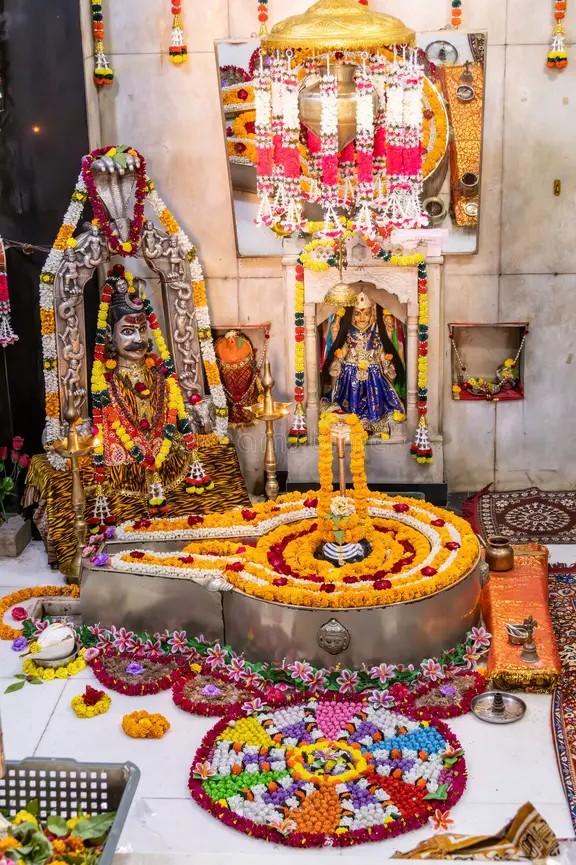
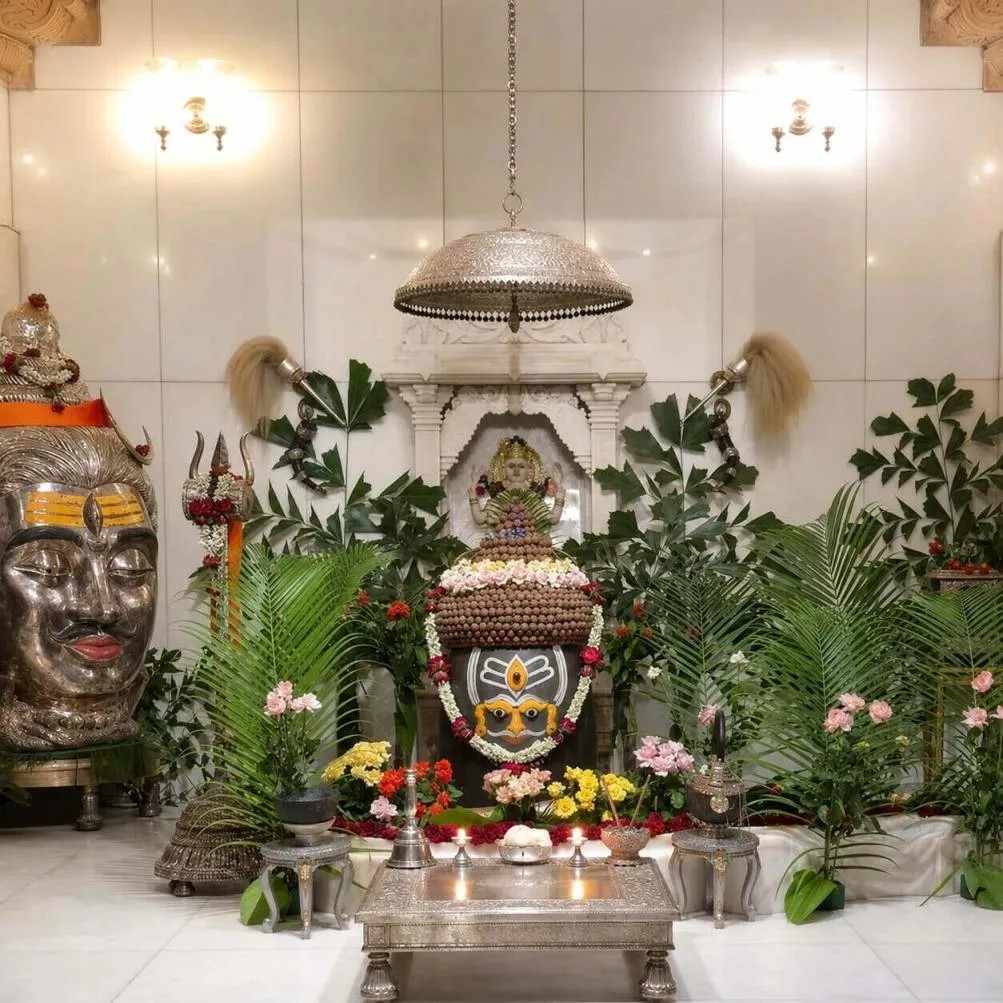
The mighty demon king Ravana of Lanka performed intense, agonizing austerities on Mount Kailash to win the supreme favor of Lord Shiva. Pleased with his steadfast tapasya, Lord Shiva granted him an invincible boon: a powerful, self-manifested Shivalinga (Atmalinga) possessing celestial spiritual power. Lord Shiva gave Ravana one strict injunction: he must carry the Linga continuously and never set it down on the ground before reaching Lanka, or it would become permanently rooted to that earth.
As Ravana hurried across the subcontinent, he arrived at this western shore of Kutch. Overwhelmed by arrogance and careless haste, he accidentally let the sacred Shivalinga slip from his hands. The moment the divine stone touched the ground, Lord Shiva multiplied it into ten million (one crore or Koti) identical, indistinguishable Shivalingas.
Confused and distressed, Ravana tried desperately to discern the original, but ended up picking up a duplicate, triumphantly carrying the wrong stone back to Lanka. The true primordial divine Linga remained permanently rooted right here on the shores of Kori Creek, where the local sages and maritime rulers constructed the shrine of Kotilingeshwar (Lord of Ten Million Lingas), later shortened to Koteshwar.
🛕 Architecture of the Cliffside Temple Complex
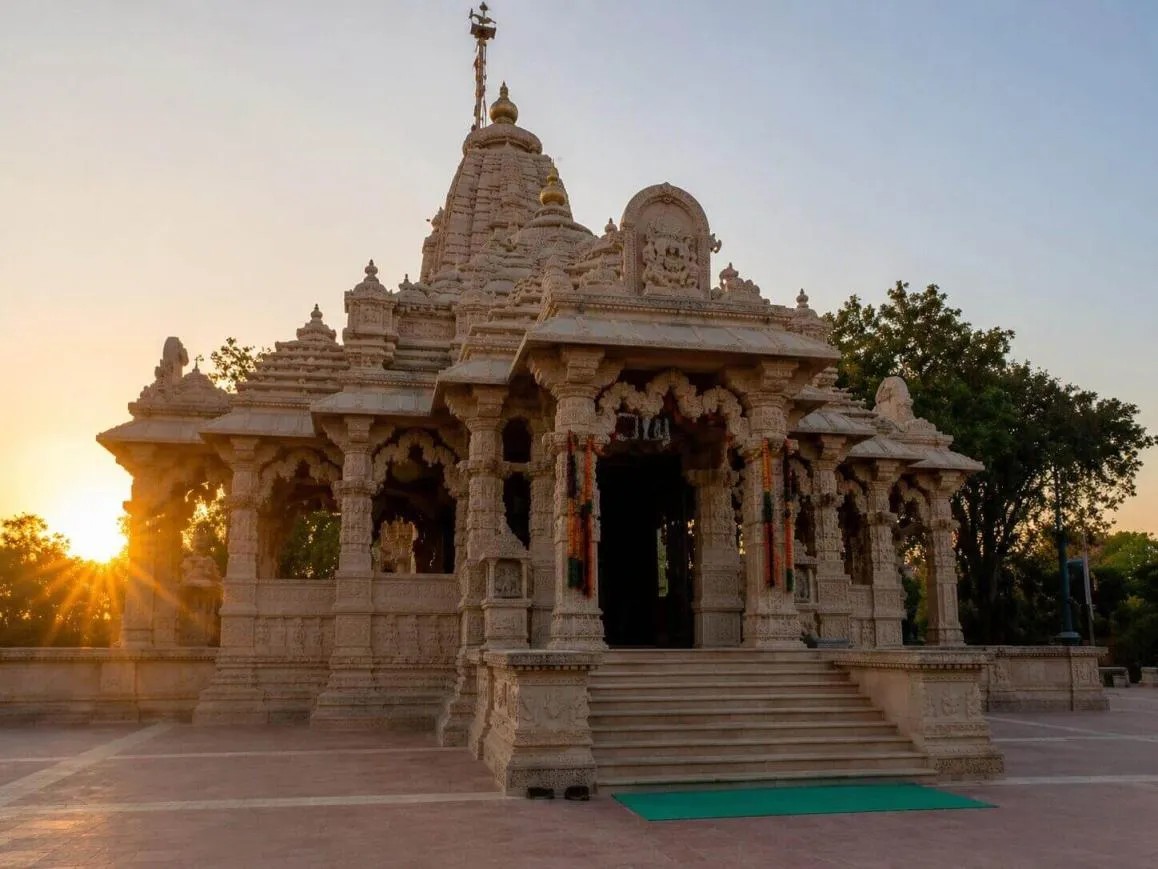
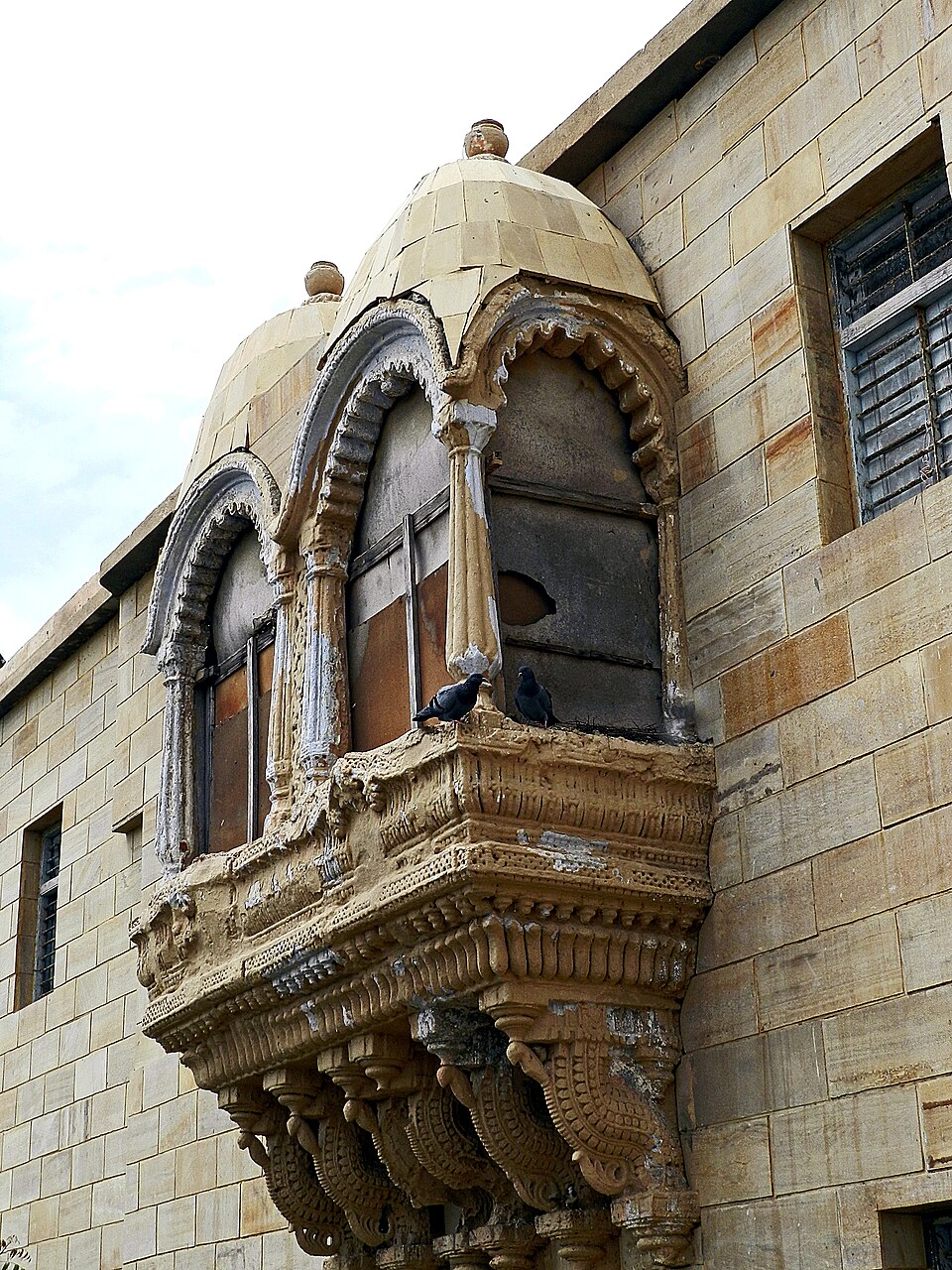
Built to endure the unforgiving salt air, tidal surges, and seasonal cyclones of the Arabian Sea, Koteshwar Temple exhibits sturdy medieval Kutch stonemasonry:
🌊 Fortified Ocean Plinth & Ramparts
The sanctum stands elevated on massive cut-stone blocks that form a protective sea wall. Stone stairs descend directly down toward the churning surf, allowing pilgrims to perform traditional water offerings (*abhisheka*).
🛕 Sanctum, Mandapa & Parikrama
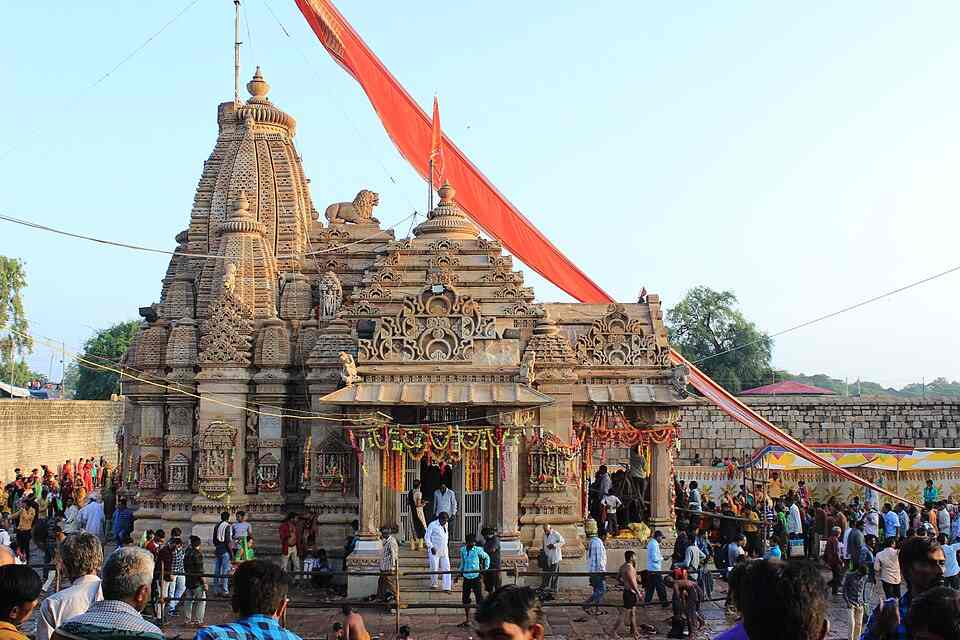
The temple features a pyramidal spire (shikhara), a pillared assembly hall (sabha mandap), a serene brass Nandi facing the sanctum, and open circumambulatory corridors where the breeze provides natural cooling.
⏰ Darshan Timings & Daily Schedule
| Activity / Ritual | Timings | Visitor Experience |
|---|---|---|
| Temple Gates Open | 6:00 AM – 8:00 PM | Open throughout the day for continuous darshan and meditation |
| Morning Mangala Aarti | 7:00 AM | Spiritual daybreak worship accompanied by bells and conch blowing |
| Sandhya Aarti | Around 7:00 PM (Sunset) | Evening lamp lighting facing the illuminated coastal horizon |
| Sunset Viewing Window | 5:30 PM – 6:45 PM | Spectacular golden-hour coastal photography from the temple parapet |
🚗 How to Reach Koteshwar Mahadev Temple
🛣️ By Road
Well-connected via smooth highways from Bhuj (150 km) through Nakhatrana. State transport buses and private taxis operate regularly between Bhuj, Narayan Sarovar, and Koteshwar.
🚆 By Rail
Bhuj Railway Station (150 km) is the nearest major railhead, offering superfast train connections to Ahmedabad, Vadodara, Surat, Mumbai, and Delhi.
✈️ By Air
Bhuj Airport (155 km) is the closest domestic airport. Alternatively, Sardar Vallabhbhai Patel International Airport in Ahmedabad is approximately 480 km away.
💡 Essential Visitor Tips
- Narayan Sarovar Combination: Narayan Sarovar—one of the five sacred lakes of Hindu tradition along with Mansarovar, Bindu Sarovar, Pushkar, and Pampa—is located just 2 km away. Always plan both sacred sites together.
- Winter Warmth: Because Koteshwar sits completely exposed on the western coastline, winter evenings (November to February) can experience brisk, chilly sea winds. Carry a light windcheater or shawl.
- Sunset Spectacle: Timing your visit for late afternoon ensures you attend the evening aarti and witness the unforgettable sunset over the Arabian Sea directly from the temple's stone ramparts.
- Food & Accommodation: Basic pilgrim dharamshalas and simple Gujarati dining are available at Narayan Sarovar (2 km). For deluxe hotels and amenities, Bhuj serves as the ideal hub.
Everything You Need to Know About Koteshwar Mahadev
Essential information for pilgrims and heritage travelers visiting India's western edge.
🙏 Conclusion
Koteshwar Mahadev Temple is a spellbinding spiritual landmark where epic Ramayana mythology, ancient history, and the untamed power of the Arabian Sea meet. Standing on its ancient stone ramparts as the evening sea breeze rushes past and the temple bells chime across the water, every pilgrim feels a timeless connection to the sacred geography of India.