🕉️ Introduction to Bhadreshwar Jain Temple
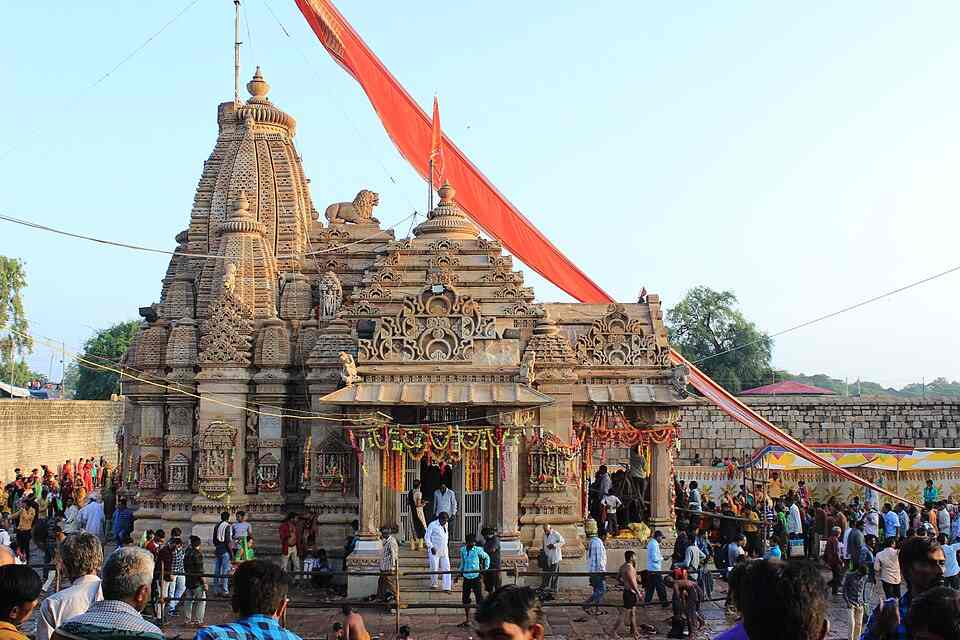
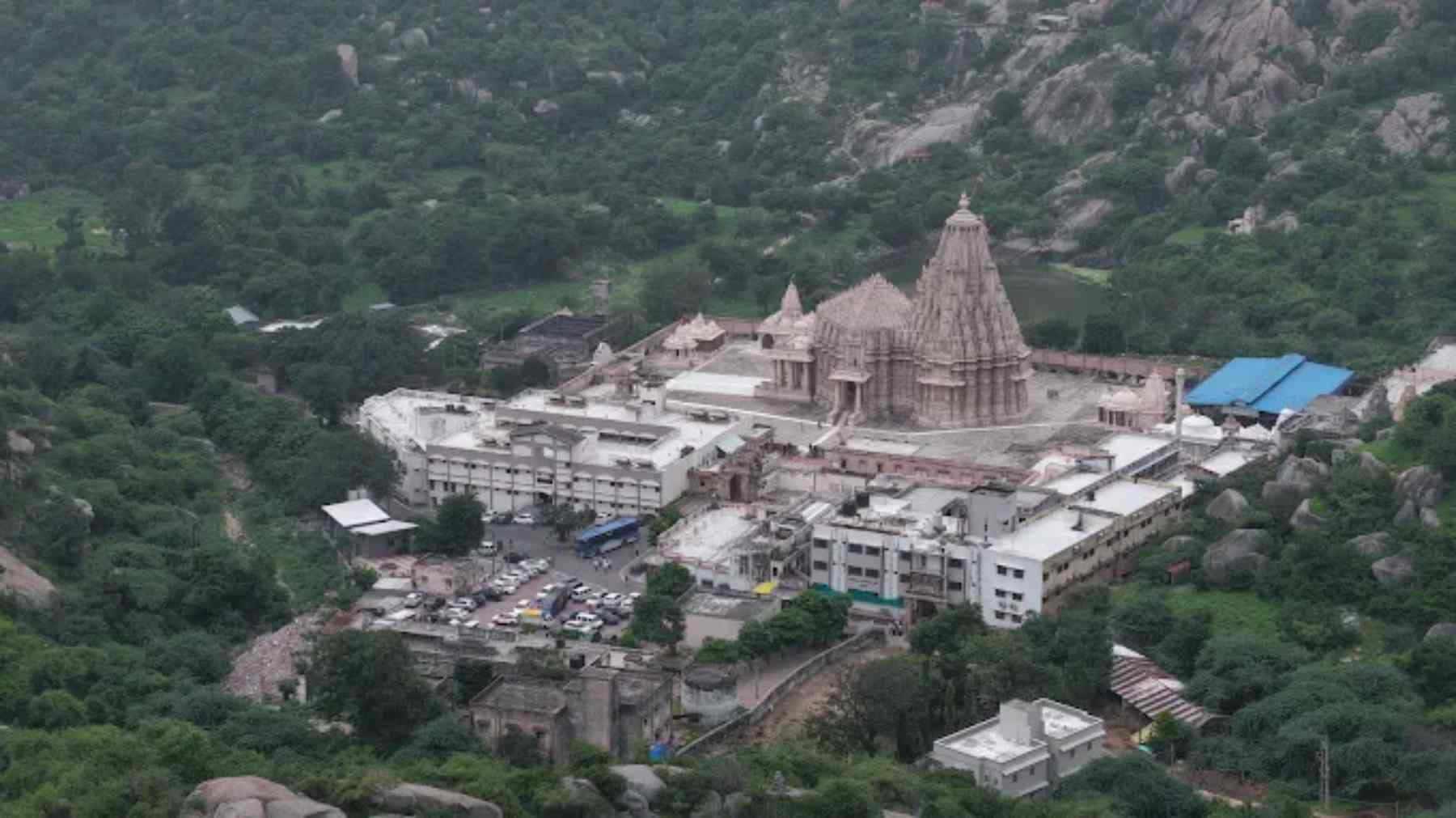
The Bhadreshwar Jain Temple, also historically celebrated as the Vasai Jain Temple, is one of the oldest, most revered, and spiritually profound Jain pilgrimage sites in India. Situated in Bhadreshwar village of Mundra Taluka in the coastal plains of Kutch, Gujarat, this sacred Shwetambar Jain Tirth stands as an enduring monument to faith, architectural brilliance, and cultural resilience.
Having risen like a phoenix through centuries of natural catastrophes and historical invasions, its breathtaking white marble architecture, peaceful corridors, and sanctified atmosphere continue to draw thousands of pilgrims and heritage enthusiasts from across the globe.
📋 Quick Facts
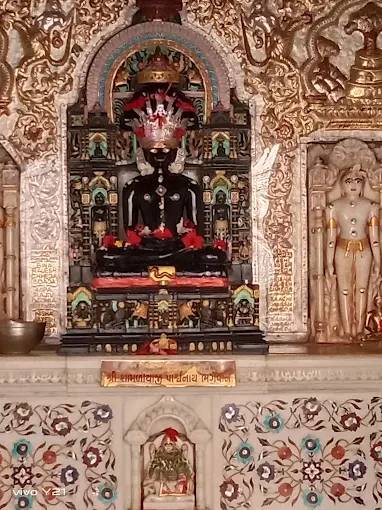
| Principal Deities | Lord Mahavira & Lord Parshvanath |
|---|---|
| Location | Bhadreshwar (Vasai), Mundra Taluka, Kutch District, Gujarat (370410) |
| Temple Type | Historic Shwetambar Jain Pilgrimage (Tirth) |
| Historical Age | Origins trace back over 2,500 years; expanded in 13th century by Seth Jagdusha |
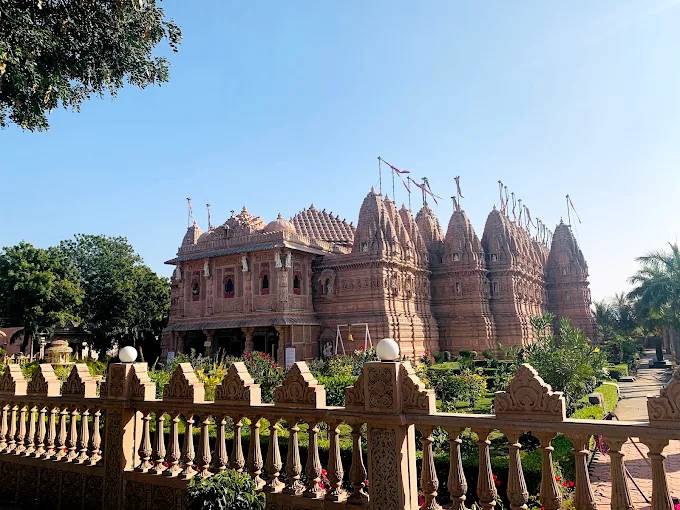
| Architecture Style | Sekhari school / Dilwara white marble style with 52 sub-shrines |
| Best Time to Visit | October to March (Pleasant winter weather in Kutch) |
| Notable Features | 52 Dev-Kulikas, intricate marble carvings, and historic resilience after 2001 earthquake |
🌟 Significance of Bhadreshwar Jain Tirth
- A Monument to Spiritual Resilience: Throughout its long history, the temple has been reconstructed nine times following massive earthquakes and conflicts, most recently rebuilt from the foundation stones following the 2001 Gujarat earthquake.
- Ancient Maritime Crossroads: Historically known as Bhadravati, this region served as a flourishing maritime trading port connecting ancient Gujarat to overseas commercial routes, heavily supported by prominent Jain merchant guilds.
- Essential Tirth of Kutch: Along with Kothara, Naliya, Suthri, and Jakhou, Bhadreshwar is a core pilgrimage stop of the celebrated Kutch Panchtirthi circuit.
- Spiritual Tranquility: The complex offers a contemplative sanctuary where pilgrims find profound peace amidst devotional silence and pristine marble architecture.
📜 History and Mythological Legends
Origins and Ancient Foundations
Traditional historical chronicles state that a pious Jain layman named Devchandra laid the original foundation of the Vasai shrine during antiquity. Epigraphical and textual records trace continuous worship at this coastal sacred center dating back to the 8th century during the reign of King Vanaraja of the Chavda dynasty.
The Golden Era of Seth Jagdusha
During the 13th century, the legendary philanthropist, visionary merchant, and noble soul Seth Jagdusha of Bhadravati undertook monumental renovations. He expanded the modest shrine into a majestic fortified complex featuring 52 dev-kulikas, cementing Bhadreshwar's status as a preeminent spiritual hub of Western India.
Post-2001 Earthquake Reconstruction
On January 26, 2001, an earthquake of devastating magnitude destroyed the majority of the historic stone complex. Demonstrating extraordinary dedication, the Jain community mobilized master sculptors and Sompura temple architects. Utilizing traditional Vastu Shastra principles, the complex was meticulously re-carved from Makrana white marble, completely restoring its medieval Dilwara-inspired glory.
🛕 Architecture of the Temple Complex
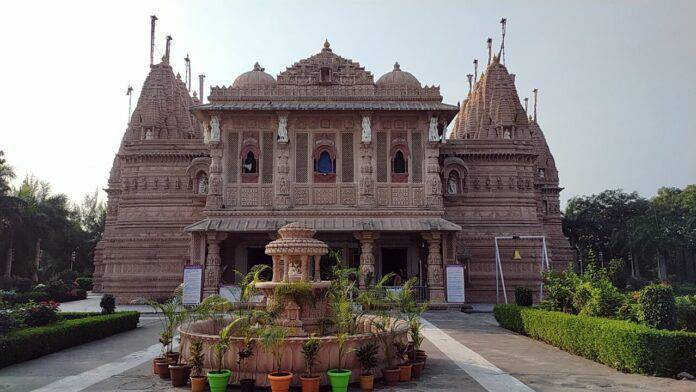
The architectural brilliance of Bhadreshwar Vasai Tirth mirrors the famous Dilwara Temples of Mount Abu:
- Dilwara-Style Layout: Built following the Sekhari and Maru-Gurjara schools of architecture, elevated upon a high stone plinth accessed by grand stairways.
- 52 Dev-Kulikas: The central courtyard is enclosed by a covered peripheral colonnade housing 52 miniature sub-shrines, each holding consecrated Tirthankara murtis with exquisitely carved ceilings.
- Principal Sanctum (Garbhagriha): Measuring approximately 48 by 85 feet, the central sanctum houses majestic seated idols of the Tirthankaras carved from lustrous stone, crowned by soaring carved spires (shikharas).
🎉 Festivals and Celebrations
- Mahavir Jayanti: Celebrated with devotional fervor, special snatra puja, spiritual discourses, and grand temple illuminations.
- Paryushan Parva: The holiest festival in Jainism brings pilgrims together for days of rigorous fasting, repentance (Pratikraman), and deep scriptural reflection.
- Kartik Purnima: Marks the conclusion of the Chaturmas retreat for monks, drawing large sanghas on coastal pilgrimage walks.
⏰ Darshan Timings
| Session | Timings |
|---|---|
| Morning Darshan & Puja | 6:00 AM – 12:00 PM |
| Afternoon Interval (Doors Closed) | 12:00 PM – 3:00 PM |
| Evening Darshan & Aarti | 3:00 PM – 8:30 PM |
🚗 How to Reach Bhadreshwar
By Road: Situated 22 km from Mundra, 35 km from Gandhidham, and roughly 60 km from Bhuj. Well connected by state highways; taxis and state transport buses are easily accessible.
By Rail: Gandhidham Junction (35 km) and Bhuj Railway Station (60 km) are the nearest major railheads with direct trains to Mumbai, Ahmedabad, and Delhi.
By Air: Bhuj Domestic Airport (BHJ) is 60 km away, while Kandla Airport (IXY) is approximately 40 km away.
💡 Practical Travel Tips
- Accommodation & Food: The temple trust operates a clean, well-appointed Dharamshala and an authentic Bhojanalaya serving pure Jain meals (strictly before sunset).
- Dress Code & Etiquette: Devotees must dress conservatively in modest attire. Leather items (shoes, belts, wallets) must be deposited outside before entering the courtyard.
- Pilgrimage Circuit: Pair this visit with the nearby Jain heritage tirths of Kutch, such as Kothara, Mandvi, and Suthri.
❓ Frequently Asked Questions (FAQs)
🙏 Conclusion
The Bhadreshwar (Vasai) Jain Temple is not merely a marvel of white marble architecture; it is an inspiring testament to the enduring power of faith. Having risen from devastation again and again over two and a half millennia, it provides every visitor with profound spiritual stillness and a living lesson in devotion, making it an essential destination on any cultural pilgrimage through Gujarat.