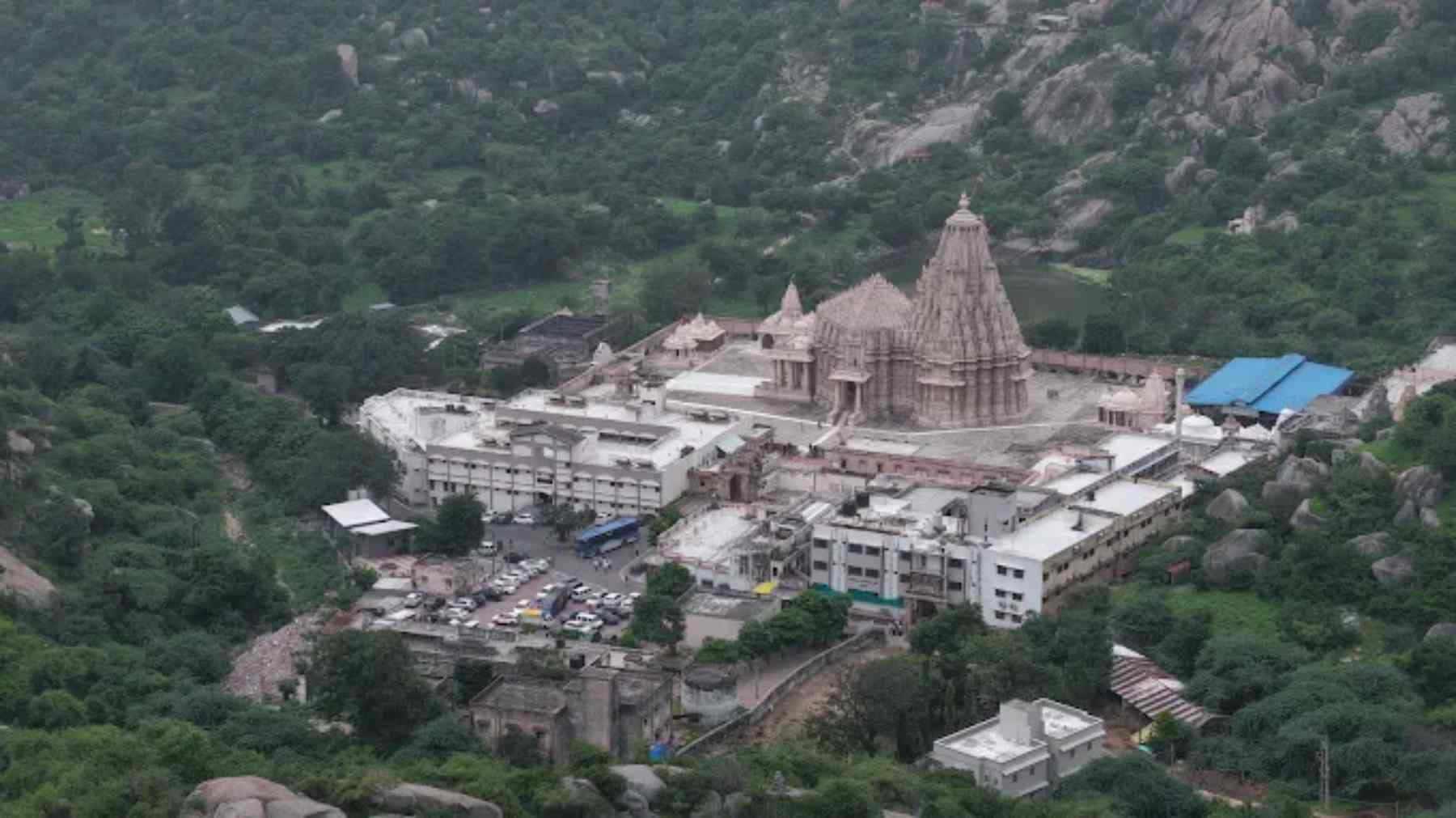
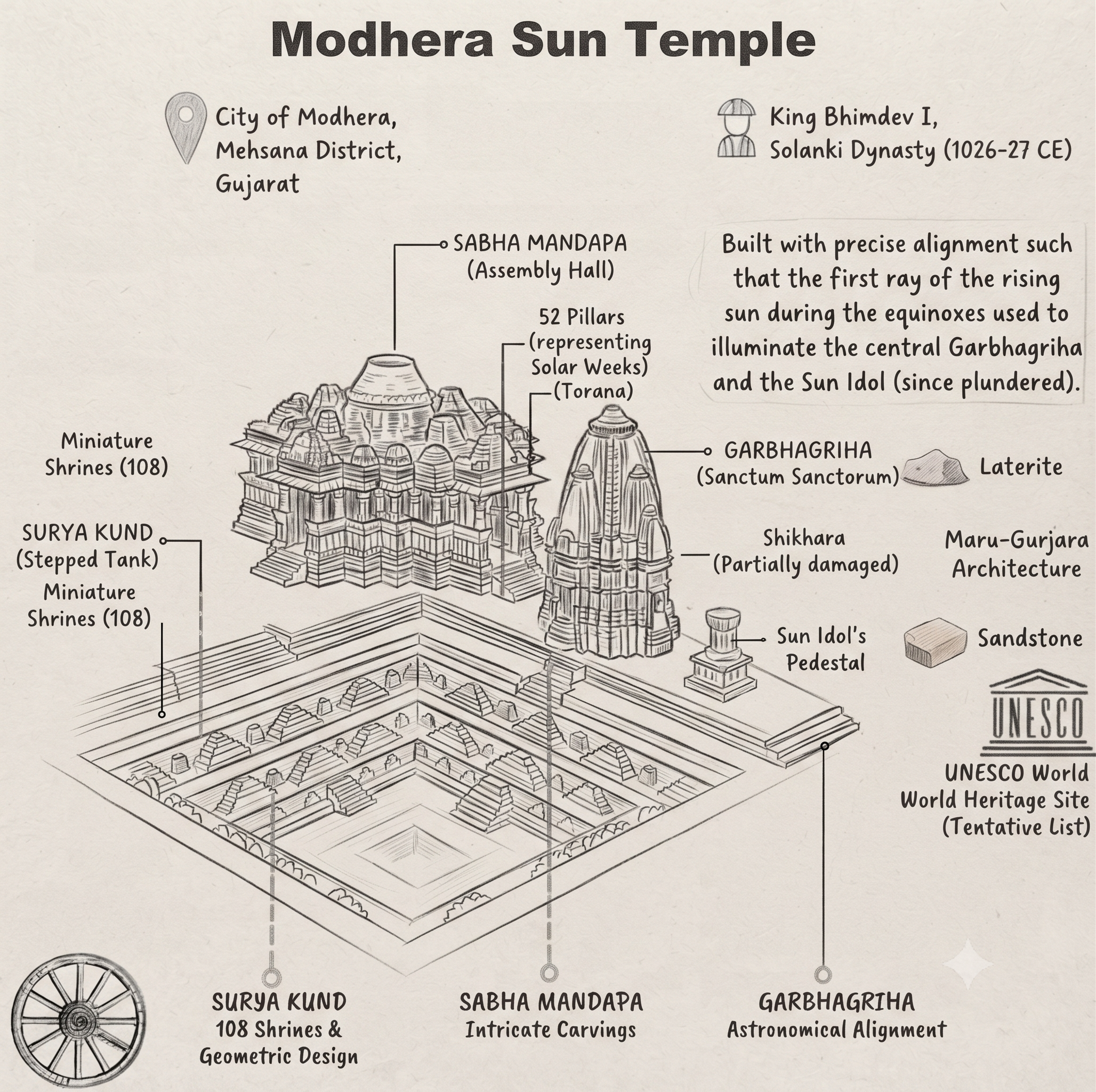
🕉️ Introduction to Bileshwar Mahadev Temple
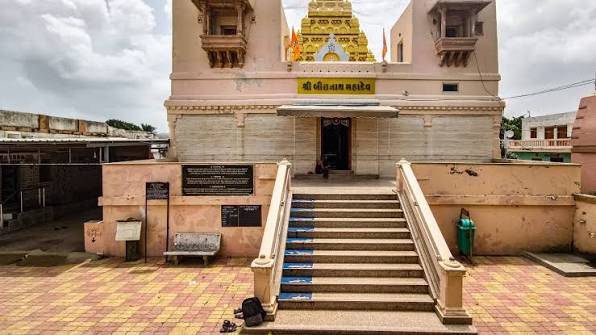
The Bileshwar Mahadev Temple, nestled quietly in Bileshwar village near Porbandar in Gujarat, is one of the most remarkable, architecturally rare, and oldest surviving stone shrines in the Saurashtra peninsula. Dating back to the 7th century, this sacred abode of Lord Shiva provides a rare archaeological window into the early transitional phases of Western Indian temple craftsmanship.
Framed by the rugged natural beauty of the Barda Hills, Bileshwar Mahadev stands as an unspoiled, deeply serene sanctuary combining ancient Puranic legends of Lord Krishna with invaluable post-Gupta stone masonry.
📋 Quick Facts
| Presiding Deity | Lord Shiva (Swayambhu Bileshwar Mahadev) |
|---|---|
| Location | Bileshwar Village, near Barda Hills, Porbandar District, Gujarat (360570) |
| Temple Type | Ancient Archaeological Heritage Shiva Shrine (Protected Monument) |
| Era & Dynasty | 7th Century CE (Maitraka of Vallabhi / Early Saindhava Dynasty) |
| Architecture Style | Early Nagara / Phamsana (Tiered stepped-pyramidal stone shikhara) |
| Best Time to Visit | October to March (Pleasant weather for exploring Barda Hills and Saurashtra coast) |
| Notable Features | One of Gujarat's oldest standing temples, chaitya-arched tiers, and Krishna-Samba folklore |
🌟 Significance of Bileshwar Mahadev
- Archaeological Wonder: Protected as a monument of national importance, prized because it has miraculously survived fourteen centuries largely intact without structural collapse.
- Architectural Milestone: Serves as a vital missing link bridging the early flat-roofed Gupta-era sanctums and the soaring curvilinear Latina spires seen in 11th-century Solanki temples like Modhera and Somnath.
- Deep Krishna Puranic Ties: Directly connected with the legends of Lord Krishna’s Dwarka period and the curative penances recorded in ancient scriptures.
- Pristine Natural Setting: Positioned adjacent to the forests of the Barda Wildlife Sanctuary, offering a contemplative haven devoid of commercialized city crowds.
📜 History and Mythological Legends
The Legend of Samba & Healing of Leprosy
According to regional folklore and the Samba Purana, Lord Krishna's son, Samba, was cursed with leprosy due to a curse from sage Durvasa. Desperate to heal his beloved son, Lord Krishna personally undertook intense penance on this sacred ground at the foot of Barda Hills, worshipping Lord Shiva continuously for seven months.
Origin of the Name "Bileshwar"
Throughout his continuous prayers, Lord Krishna worshipped the Shivalinga by offering sacred Bilva (Bael) leaves daily. Pleased by this supreme devotion, Lord Shiva appeared, healed Samba of his affliction, and blessed the site. In memory of the offering of Bilva leaves, the Shivalinga came to be venerated as Bileshwar Mahadev (Lord of the Bilva).
7th Century Historical Patronage
Epigraphical and architectural analyses establish that the core stone fabric was raised in the 7th century CE. It was constructed under the royal patronage of either the Maitrakas of Vallabhi or the maritime Saindhava dynasty who governed western Saurashtra, demonstrating early mastery over durable ashlar stone joinery without modern mortar.
🛕 Architecture of the Temple Complex
Bileshwar Mahadev Temple offers architectural historians an invaluable specimen of early Indian stone engineering:
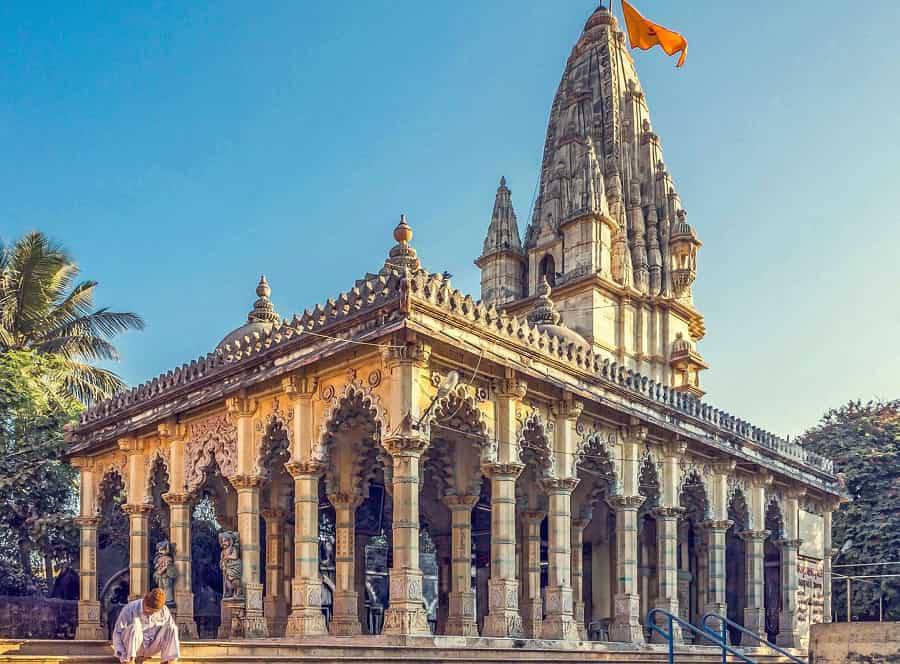
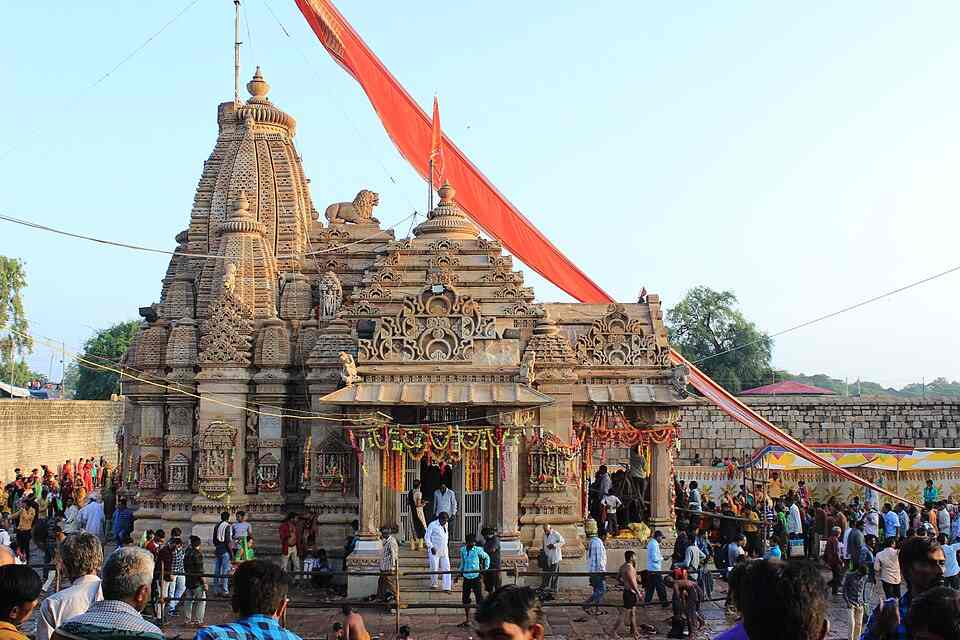
- The Phamsana Stepped Spire: Instead of the curvilinear Latina towers of later centuries, Bileshwar features a rare Phamsana roof. It ascends in cleanly defined, horizontal stone tiers decorated with rhythmic Chandrashala (horseshoe-shaped chaitya) arches.
- Austerity of Early Wall Surfaces: In sharp contrast to the densely sculpted figure friezes of the Solanki era, the exterior walls here are sturdy, thick, and elegantly austere, showcasing the raw beauty of hand-dressed stone blocks.
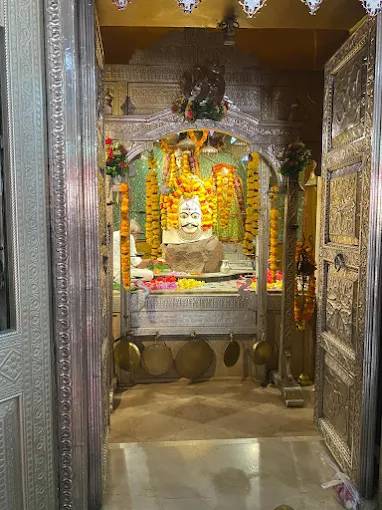
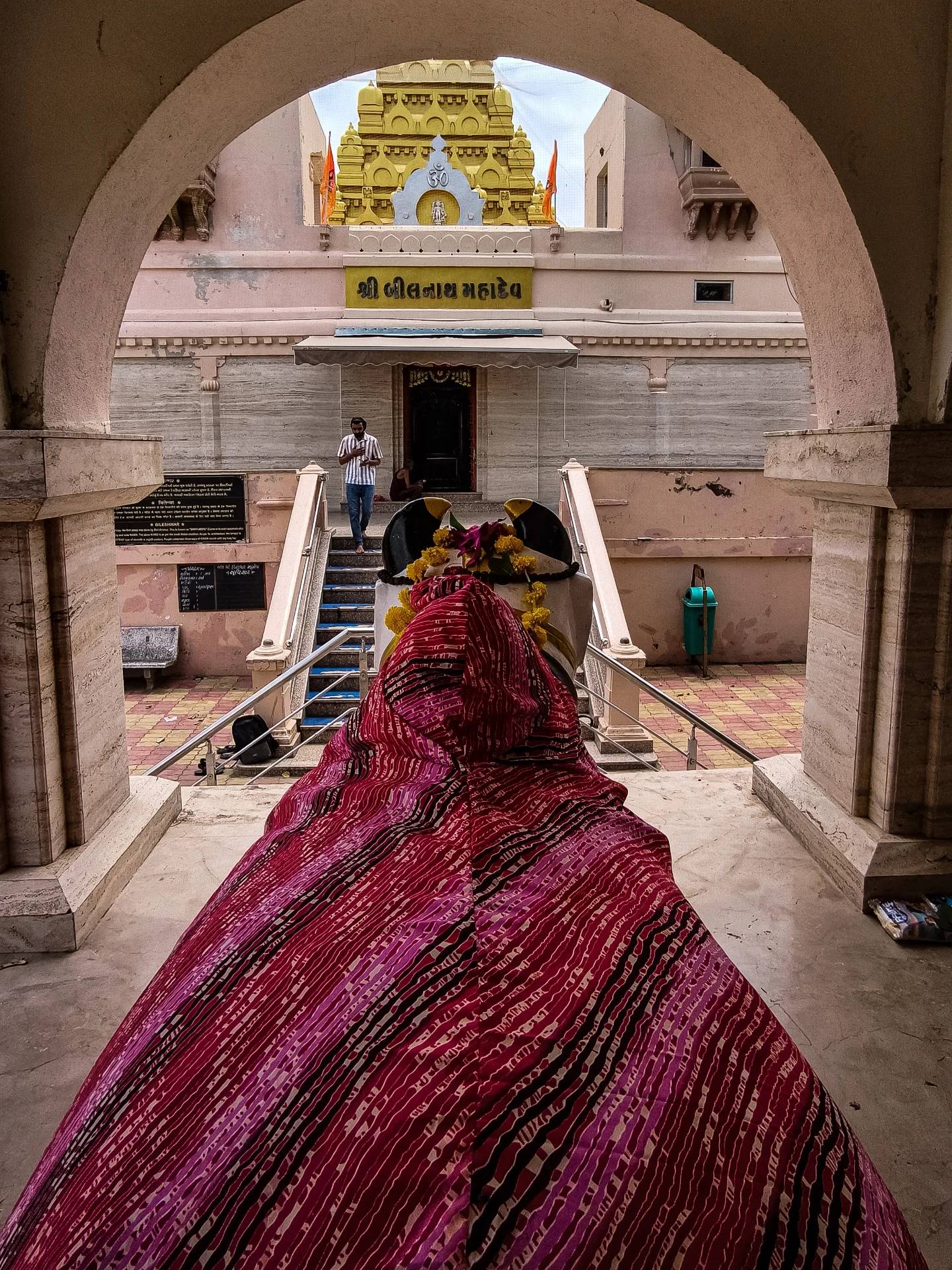
- Ambulatory Sanctum (Sandhara Garbhagriha): Encloses an ancient Swayambhu Shivalinga within a square inner chamber surrounded by a covered circumambulatory path (Pradakshina Patha) designed for quiet meditation.
🎉 Festivals and Celebrations
- Maha Shivratri: The supreme festival of the year, when pilgrims from all across Saurashtra gather for night-long abhishek, Vedic chants, and a festive village mela.
- Shravan Maas: During the holy monsoon month, devotees from Porbandar, Ranavav, and Jamnagar visit daily to offer sacred Bilva leaves, milk, and holy water to the Shivalinga.
- Kartik Purnima & Somvar Vrat: Special aartis and devotional gatherings are organized during Mondays and full-moon evenings.
⏰ Darshan Timings
| Ritual / Event | Timings |
|---|---|
| Temple Opening Hours | 6:00 AM – 8:00 PM (Daily) |
| Prabhat (Morning) Aarti | 7:00 AM |
| Sandhya (Evening) Aarti | 7:00 PM (Adjusted according to sunset) |
| Best Time for Photography | Early morning hours when golden sunlight illuminates the stone tiers |
🚗 How to Reach Bileshwar
By Road: Situated roughly 30 km east of Porbandar city towards Bhanvad. State transport buses and private rental cabs run regularly between Porbandar, Ranavav, and Bileshwar.
By Rail: Porbandar Railway Station (30 km) is the closest primary rail junction, connected directly to Rajkot, Ahmedabad, and Mumbai.
By Air: Porbandar Airport (PBD) is approximately 35 km away, with Jamnagar Airport located about 110 km away.
💡 Practical Travel Tips
- Explore Barda Wildlife Sanctuary: Combine your spiritual visit with an eco-detour into the scenic Barda Hills, known for tranquil forest trails.
- Heritage Circuit with Ghumli: Heritage enthusiasts can drive 15 km further to explore the magnificent ruins of Navlakha Temple in Ghumli (12th century), witnessing 500 years of evolutionary temple architecture side by side.
- Respectful Conduct: As a tranquil, functional village sanctuary, visitors are expected to maintain silence and dress modestly in traditional clothing.
❓ Frequently Asked Questions (FAQs)
🙏 Conclusion
The Bileshwar Mahadev Temple is a silent, enduring testament to the dawn of sacred architecture in Gujarat. Uniting ancient Krishna legends with 7th-century stone craftsmanship in the serene embrace of the Barda Hills, it provides a profoundly peaceful and historically enriching pilgrimage for every traveler journeying through Saurashtra.