🕉️ Introduction to Dwarkadhish Temple
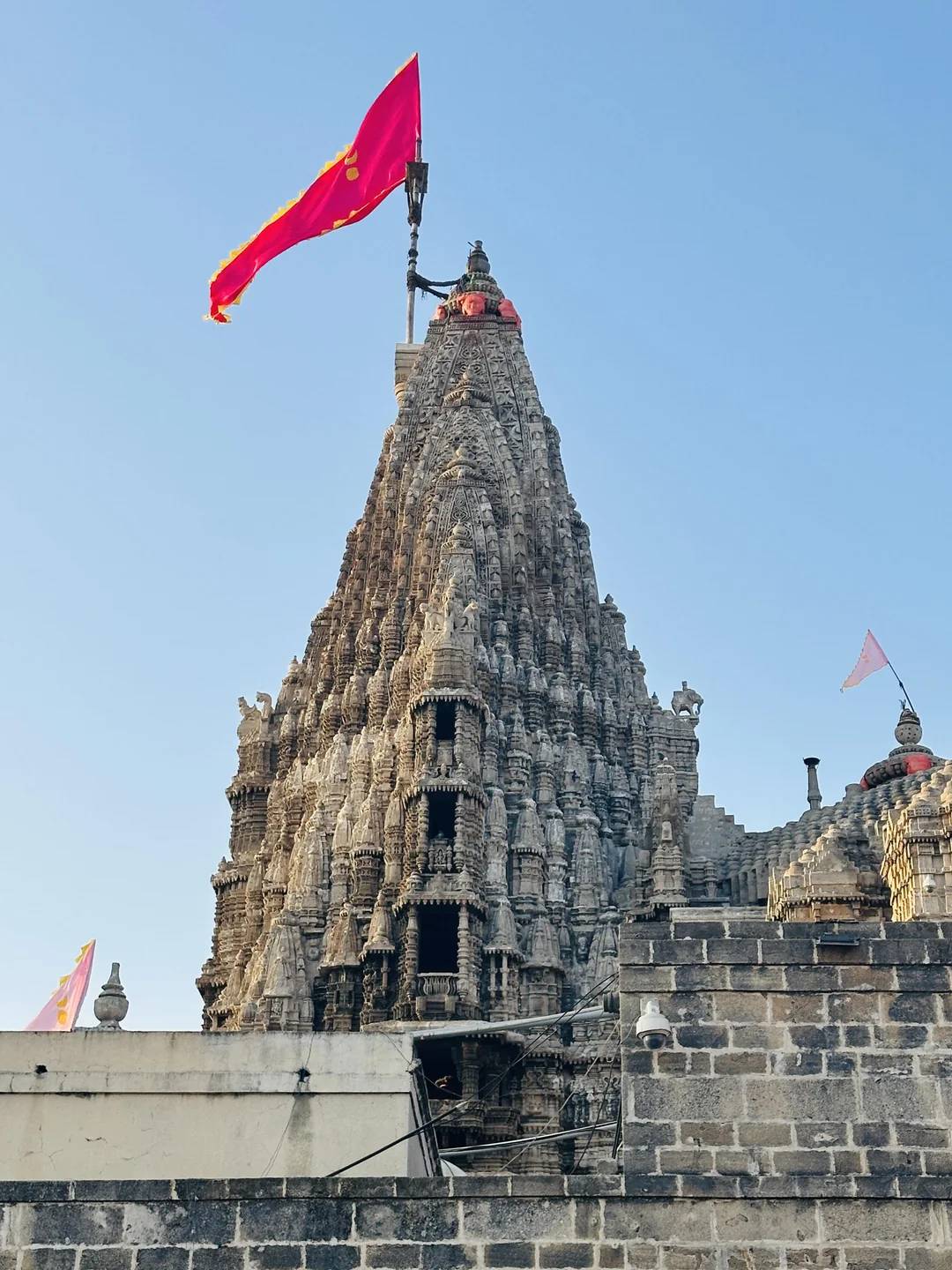
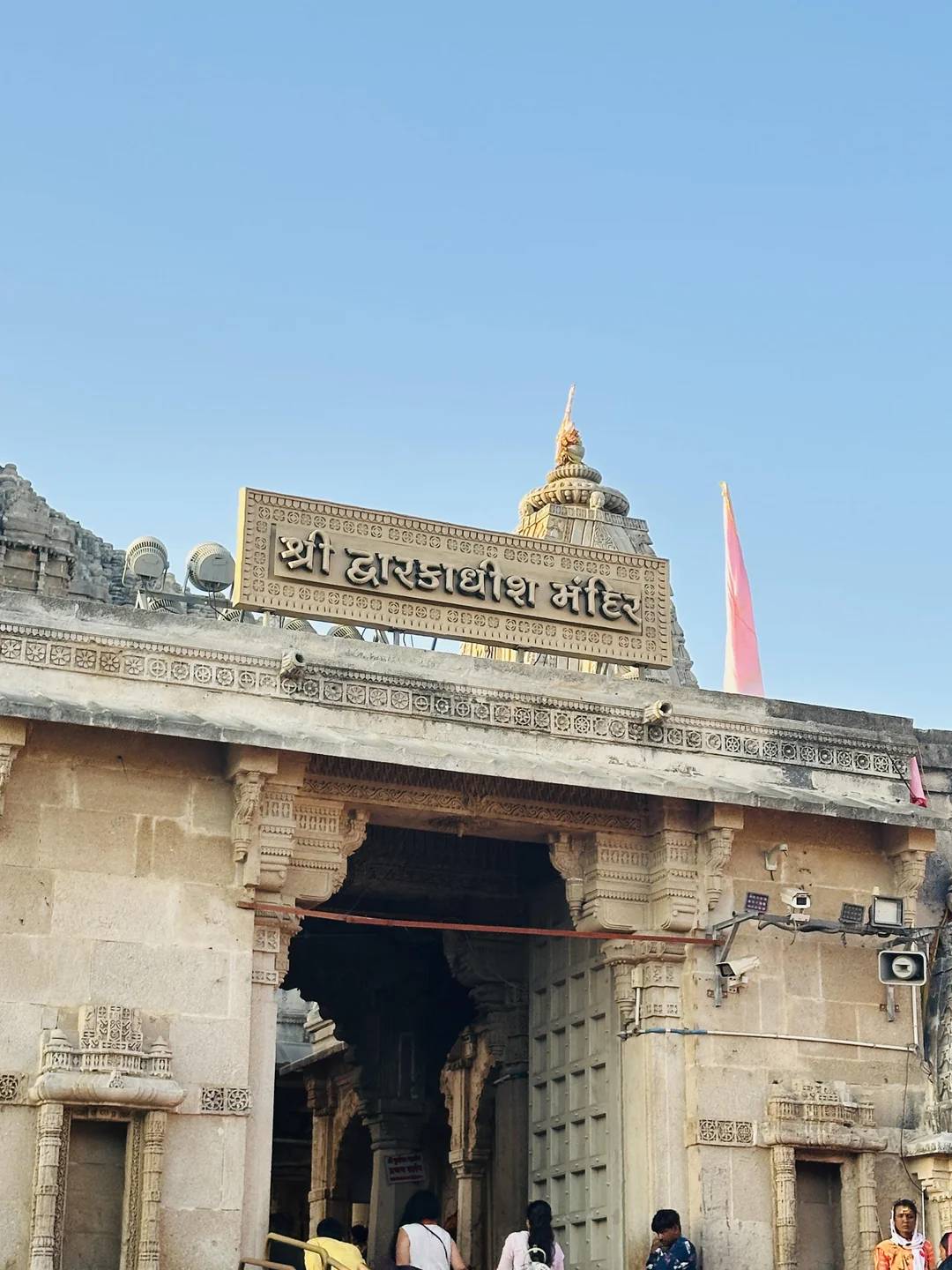
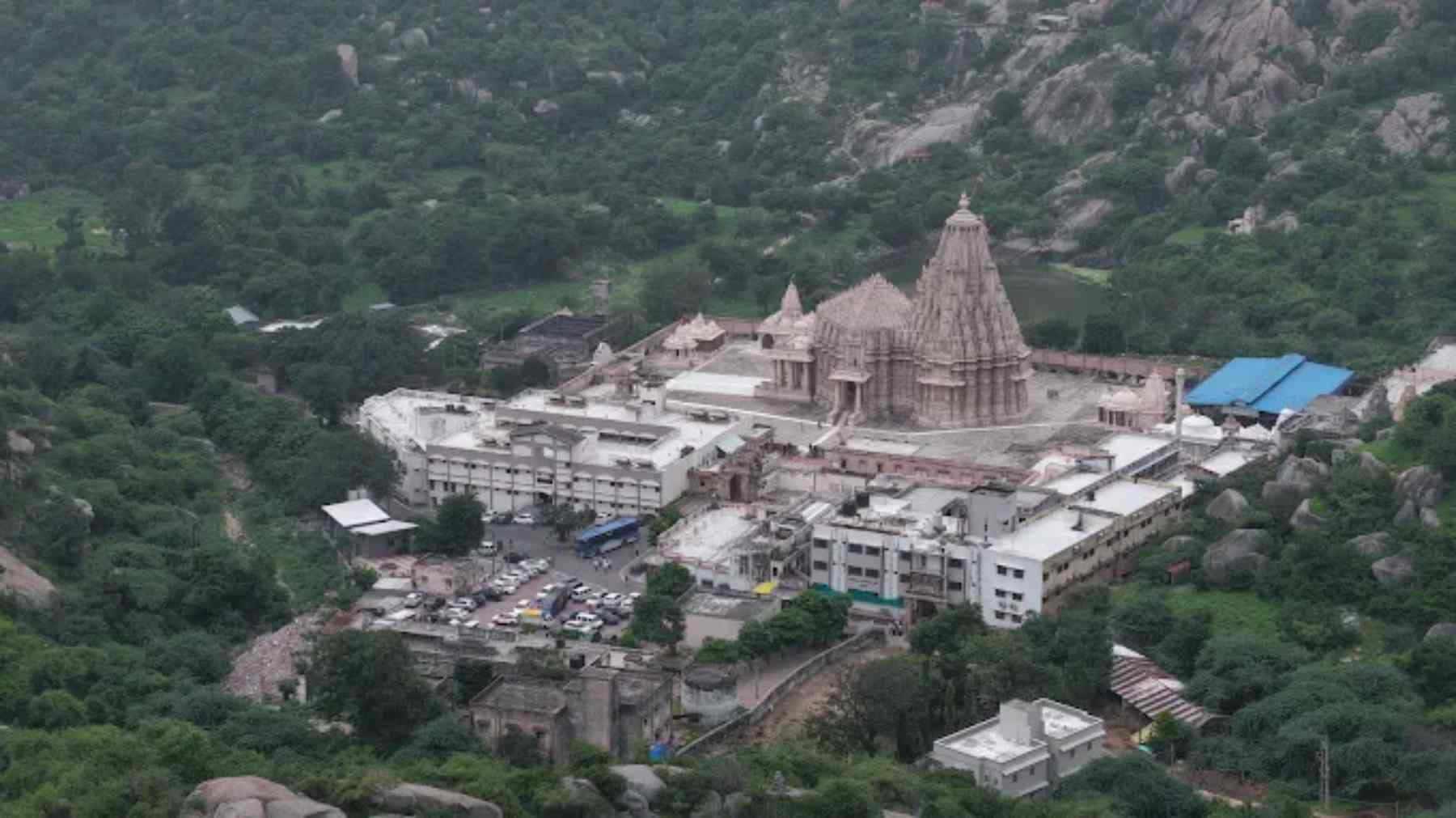
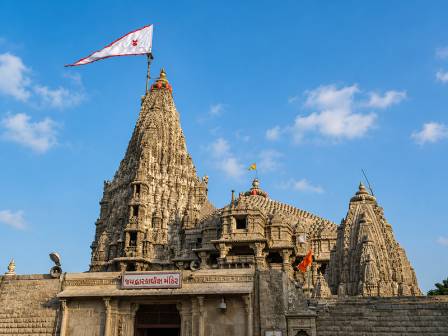
The Dwarkadhish Temple, celebrated as the Jagat Mandir (Universal Shrine), is one of the most sacred, ancient, and deeply revered Hindu pilgrimage destinations in India. Situated in the holy coastal city of Dwarka on the western tip of Gujarat, this awe-inspiring 5-story temple honors Lord Krishna as Dwarkadhish — the divine King of Dwarka.
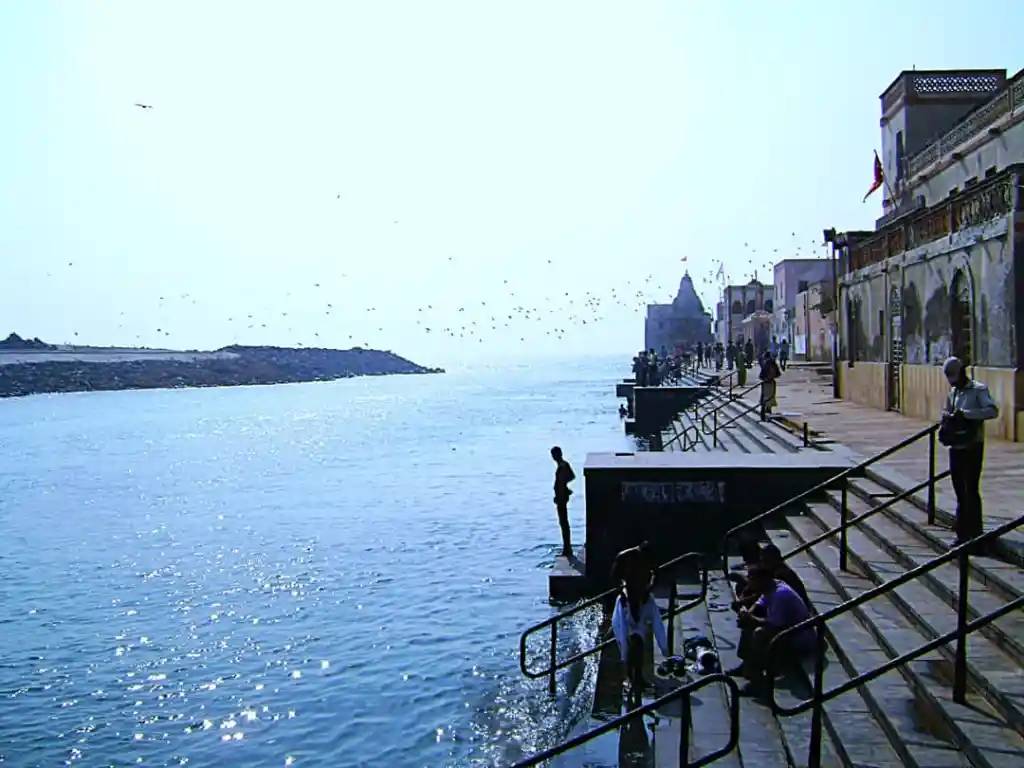
Perched gracefully along the banks where the sacred Gomti River meets the Arabian Sea, Dwarkadhish holds the supreme dual honor of being both one of the four cardinal Char Dham pilgrimage sites and one of Hinduism's seven sacred Sapta Puris (liberation-bestowing cities).
📋 Quick Facts
| Presiding Deity | Lord Krishna (Dwarkadhish — King of Dwarka) |
|---|---|
| Location | Dwarka, Devbhumi Dwarka District, Gujarat (361335) |
| Religious Status | Holy Char Dham & Sapta Puri Pilgrimage Site |
| Architecture Style | Chalukyan / Maru-Gurjara Limestone Architecture |
| Spire Height | 78 meters (255 feet), supported by 72 carved pillars |
| Best Time to Visit | October to March, and during Janmashtami Mahotsav |
| Famous For | Jagat Mandir, 52-yard Dhwaja Arohan ceremony, Swarga/Moksha Dwar, and Gomti Sangam |
🌟 Significance of Dwarkadhish Temple
- Lord Krishna's Capital City: Venerated as the ancient golden city of Dwarkavati, established by Lord Krishna after departing Mathura to protect his people.
- The Four Sacred Char Dhams: Established by Adi Shankaracharya as the supreme western pillar of India’s spiritual quadrangle alongside Badrinath (North), Puri (East), and Rameswaram (South).
- Sapta Puri of Moksha: One of the seven revered cities (along with Ayodhya, Mathura, Maya/Haridwar, Kashi, Kanchi, and Avantika/Ujjain) celebrated in scripture for granting spiritual liberation.
- The Grand 52-Yard Dhwaja: The sacred temple flag bearing emblems of the Sun and Moon is changed up to five times daily in a ceremonial ritual known as Dhwaja Arohan, symbolizing righteousness across all directions.
📜 History and Mythological Legends
Original Foundations by Vajranabh
According to the Mahabharata and Vaishnavite scriptures, the original shrine was erected by Vajranabh, the great-grandson of Lord Krishna. Vajranabh built the first commemorative temple over Hari Griha, the residential palace where Lord Krishna lived during his divine reign in Dwarka.
Submergence of Golden Dwarka
Scriptural chronicles narrate that following Lord Krishna's earthly departure, the prosperous island city of Dwarka was reclaimed by the surging Arabian Sea, as described in the Mausala Parva. Marine archaeological expeditions along the Dwarka coast have revealed submerged fortified walls, stone anchors, and ancient jetty structures dating back thousands of years.
15th–16th Century Reconstruction
The grand 5-story limestone edifice seen today was largely reconstructed in the 15th and 16th centuries in the Chalukyan/Maru-Gurjara style, having survived several waves of medieval incursions through the heroic devotion of priests and regional Rajput rulers.
🛕 Architecture of Jagat Mandir
The Dwarkadhish Temple is an architectural triumph of medieval Indian stone engineering:
- Towering Shikhara: The principal 78-meter limestone spire ascends in rhythmic tiered storeys, supported by 72 masterfully carved stone pillars, constructed entirely without mortar using precision interlocking joints.
- Swarga Dwar & Moksha Dwar: Pilgrims take a holy dip at the Gomti River and climb 56 steps to enter through the Swarga Dwar (Gate of Heaven). After taking darshan, devotees depart through the Moksha Dwar (Gate of Liberation).
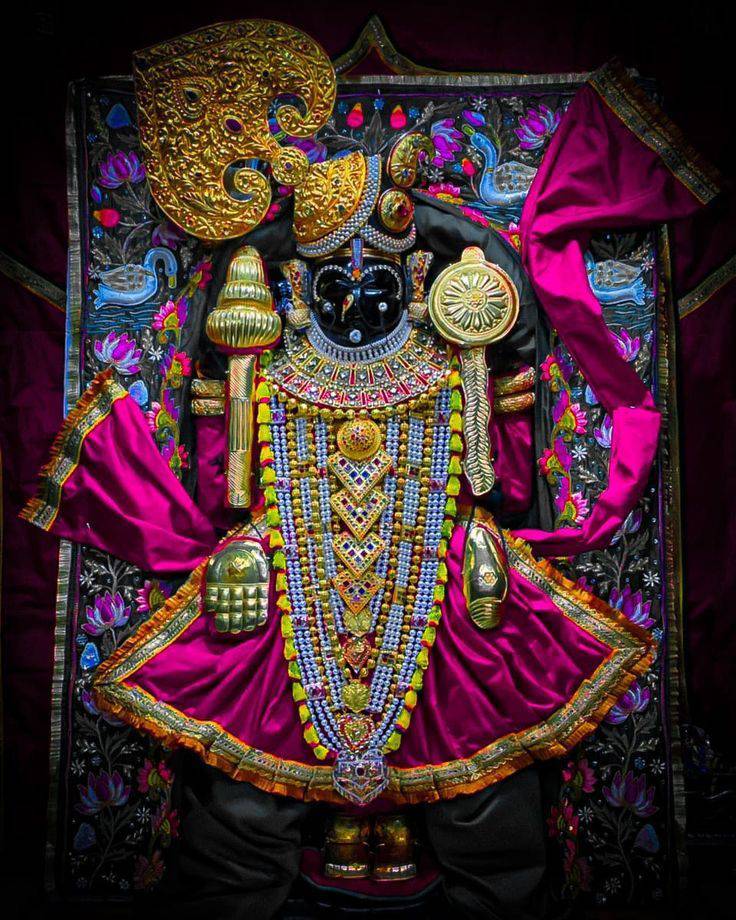
- The Sanctum Sanctorum (Nij Mandir): Houses the resplendent, four-armed black stone deity (Shankha, Chakra, Gada, Padma) of Lord Dwarkadhish, adorned in imperial silks and gold crowns.
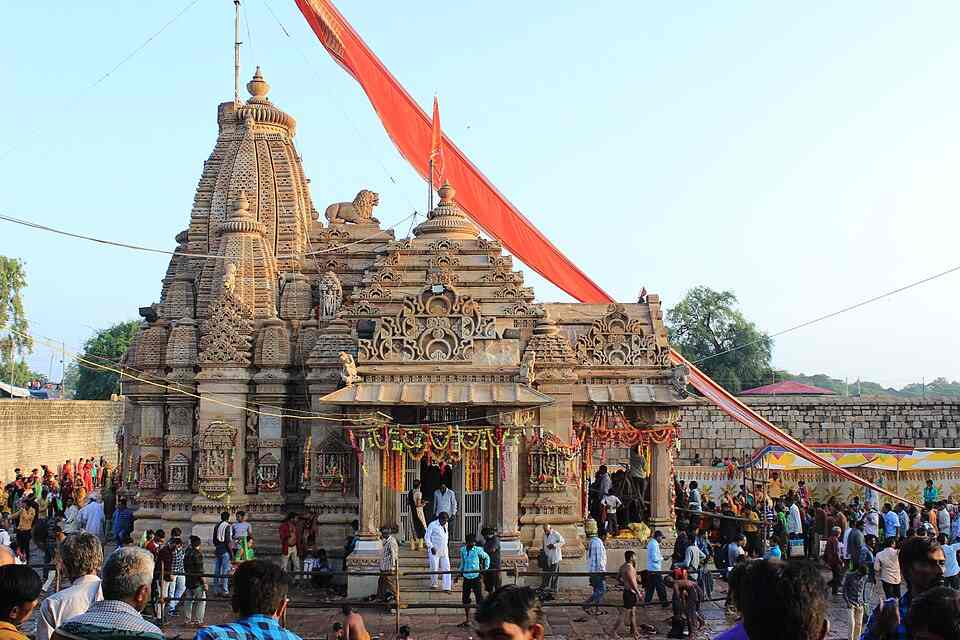
- Auxiliary Shrines: The spacious courtyard features shrines dedicated to Balarama, Pradyumna, Aniruddha, Subhadra, Purushottam, and Queen Rukmini.
🎉 Festivals and Celebrations
- Janmashtami Mahotsav: The ultimate celebration of the year in Dwarka. The temple is illuminated with millions of lights, midnight aartis celebrate Lord Krishna's birth, and over five lakh pilgrims converge upon the city.
- Holi & Dhuleti: Celebrated with magnificent floral showers, herbal colors, and traditional devotional bhajans in royal Krishna style.
- Annakut & Diwali: Celebrated on Gujarati New Year, where elaborate gastronomic offerings (Chhappan Bhog) are displayed before the Lord.
⏰ Darshan & Aarti Timings
| Ritual / Session | Timings |
|---|---|
| Mangala Aarti | 6:30 AM – 7:00 AM |
| Morning Darshan & Abhishek | 7:00 AM – 12:30 PM |
| Bhog & Shringaar Aarti | 10:30 AM – 11:00 AM |
| Afternoon Interval (Doors Closed) | 1:00 PM – 5:00 PM |
| Evening Darshan & Sandhya Aarti | 5:00 PM – 8:30 PM |
| Shayan Aarti & Temple Closes | 9:00 PM – 9:30 PM |
🚗 How to Reach Dwarkadhish Temple
By Road: Excellent national and state highways link Dwarka to Porbandar (100 km), Jamnagar (130 km), Rajkot (225 km), and Ahmedabad (440 km). Regular luxury AC and sleeper buses operate daily.
By Rail: Dwarka Railway Station (DWK) is 2 km from the temple, connected by direct express trains to Mumbai, Delhi, Ahmedabad, Kolkata, and Varanasi.
By Air: Jamnagar Airport (130 km) and Rajkot International Airport (225 km) offer seamless flight connectivity from major Indian metros.
💡 Practical Travel Tips
- Holy Bath at Gomti Ghat: It is customary to take a holy bath at Gomti Sangam Ghat and offer prayers before entering via Swarga Dwar.
- Witness Dhwaja Arohan: Be sure to gather in the temple courtyard during the changing of the 52-yard flag, accompanied by conch shells and sacred chants.
- Dress Code & Electronic Devices: Mobile phones, cameras, leather belts, and smart watches are strictly prohibited inside; deposit them in official lockers before entry.
- Beyt Dwarka & Nageshwar Jyotirlinga: Extend your itinerary to include Beyt Dwarka island (via Sudarshan Setu bridge) and Nageshwar Jyotirlinga (17 km).
❓ Frequently Asked Questions (FAQs)
🙏 Conclusion
The Dwarkadhish Temple is far more than an ancient pilgrimage destination — it is the living spiritual heart of Lord Krishna's divine reign on earth. With its soaring limestone shikhara, rhythmic flag ceremonies, and timeless oceanfront grace, a journey to Jagat Mandir offers an unforgettable experience of devotion and transcendence.