🕉️ Introduction to Ghela Somnath Mahadev
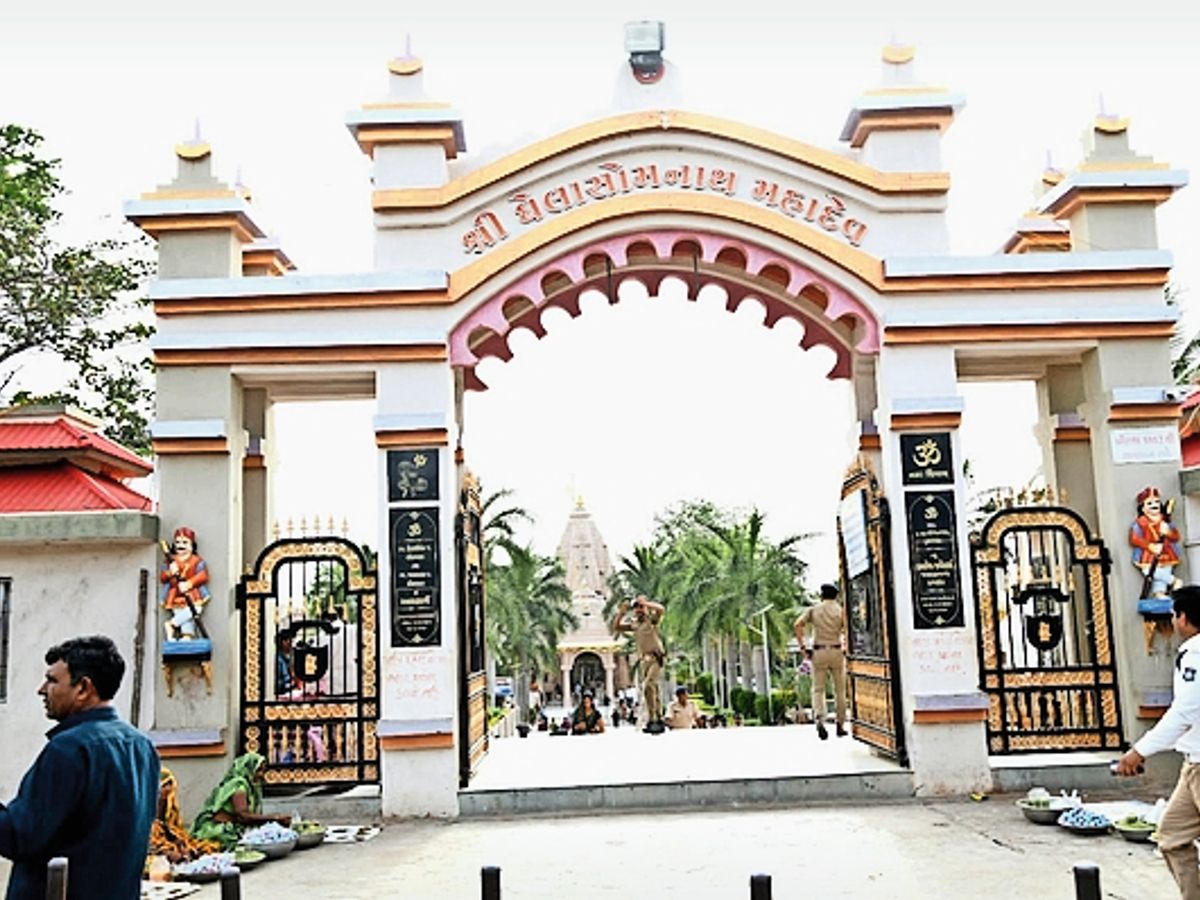
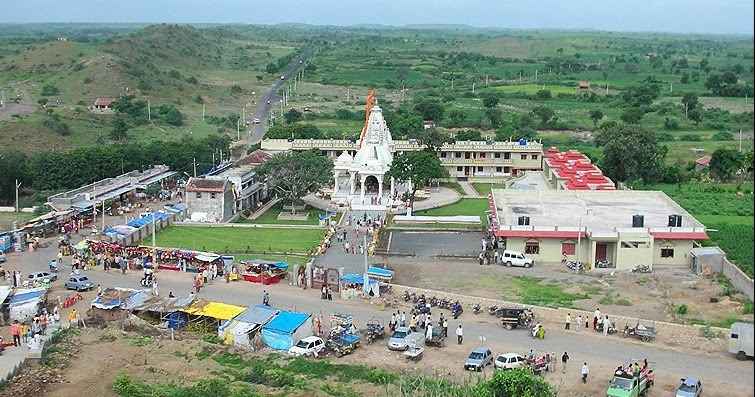
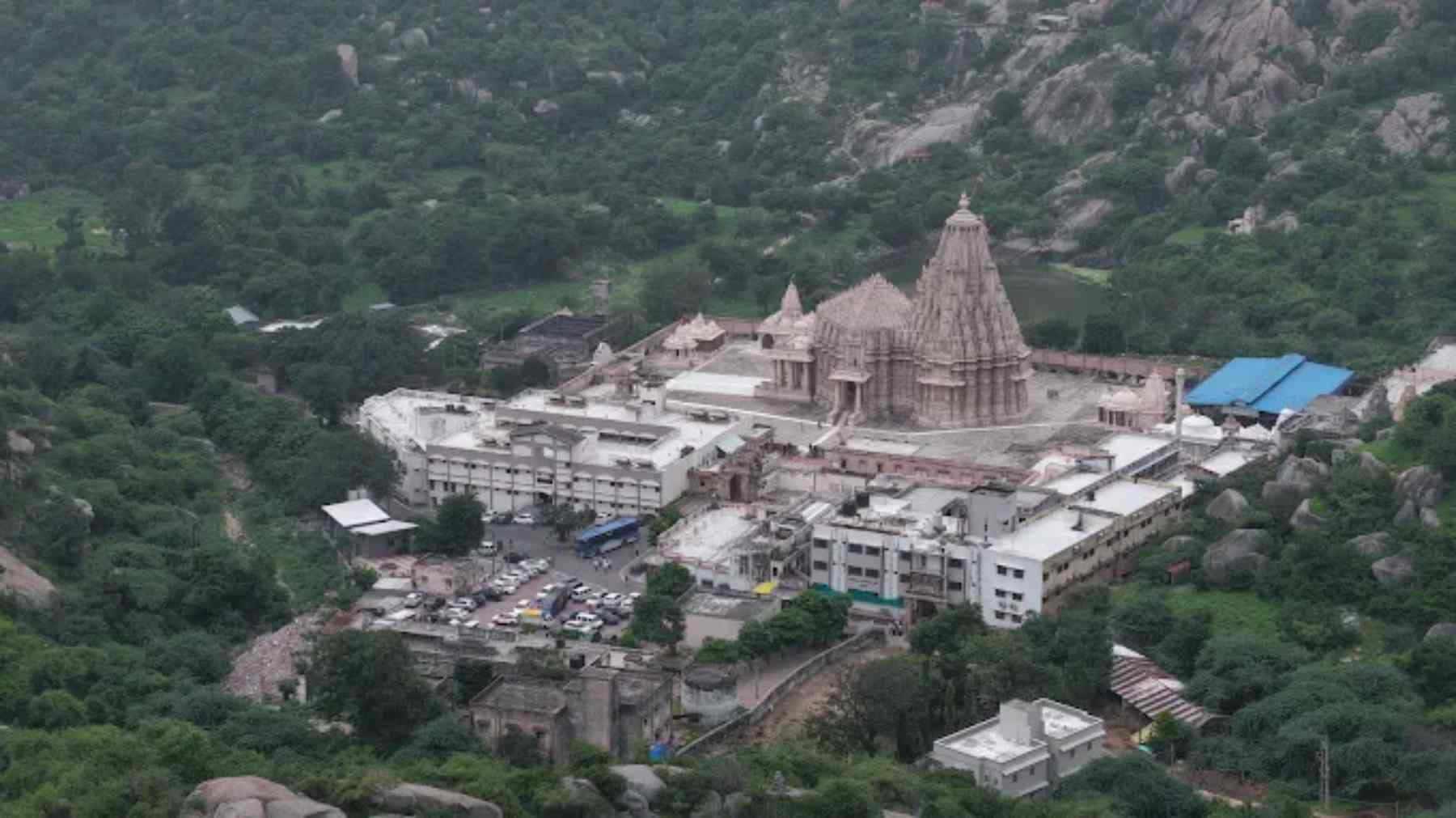
The Ghela Somnath Mahadev Temple is an ancient, deeply revered riverbank sanctuary nestled gracefully along the tranquil banks of the Ghela River in Jasdan Taluka, Rajkot District (Saurashtra), Gujarat. Located within the culturally vibrant Panchal hill region near Thanga and Madava hills, this venerable temple dedicated to Lord Shiva is steeped in dramatic medieval folklore, chivalric devotion, and profound spiritual energy.
Drawing hundreds of thousands of pilgrims, travelers, and history enthusiasts every year, Ghela Somnath represents a glorious chapter of Saurashtra's cultural identity. Set against the serene backdrop of water ripples and rugged hillocks, the shrine offers a calm refuge where prayer, heritage, and pristine nature unite seamlessly.
📋 Quick Facts
| Deity | Lord Shiva (Ghela Somnath Mahadev) |
|---|---|
| Location | Ghela River Bank, Jasdan / Vinchhiya Taluka, Rajkot District, Gujarat |
| Temple Type | Historic Riverbank Fortified Shiva Shrine |
| Historical Era | Medieval Era (approx. 15th-century historical associations) |
| Sacred Water Body | Ghela River (poetically known as Unmat Ganga) |
| Best Time to Visit | October to March, and during the holy month of Shravan |
| Famous For | Sacred Somnath protection legend, riverbank serenity, Annakshetra, and Shravan fairs |
🌟 Significance of Ghela Somnath Mahadev
Ghela Somnath stands apart from regular riverfront temples through its profound combination of sacred geography and immortal bravery:
- Sacred Emblem of Valor: Rather than being solely a quiet hermitage, the shrine serves as an eternal monument to the supreme sacrifice of regional chieftains and devotees who laid down their lives defending their faith and sacred icons.
- Riverbank Sanctity: The Ghela River, affectionately known in ancient times as the Unmat Ganga, flows right by the temple compound, creating a divine environment where bathing, chanting, and meditation achieve natural harmony.
- Epicenter of Saurashtra's Faith: Across the Saurashtra peninsula—stretching through Rajkot, Botad, Amreli, and Bhavnagar districts—families have held Ghela Somnath as their cherished pilgrimage stop for generations.
- Exemplary Pilgrim Welfare: The active temple trust maintains extensive dharamshalas, well-maintained bathing ghats, and a large Annakshetra serving fresh, nutritious satvik meals free of charge to all visitors daily.
📜 History and Mythological Legends
The founding legend of Ghela Somnath is one of the most poignant and inspiring sagas recorded in Saurashtrian oral and historical lore:
The Epic Defense of the Somnath Shivalinga
During the tumultuous medieval period, when external invaders launched catastrophic campaigns against the premier seaside shrine of Prabhas Patan (Somnath), a council of noble defenders decided to shield the sacred Shivalinga from imminent destruction. Led by the celebrated martyr Hamirji Gohil and courageous regional warriors, a desperate defensive battle took place at the gates of Somnath.
In accordance with divine guidance, trusted devotees placed the sacred Shivalinga in a velvet-draped palanquin and retreated inland into the rugged, defensive valleys of the Panchal hill tract. Guided by staunch royal princesses and warrior escorts, the caravan navigated dense forests and treacherous river crossings.
When the entourage reached the verdant banks of the Ghela River near Jasdan, the palanquin halted for ritual evening worship. Legend holds that when the escorts attempted to resume their journey, the sacred Shivalinga became immovably anchored to the earth by divine will. Recognizing Lord Shiva's eternal choice of abode, a consecrated temple was raised at this holy spot. On a hillock directly across the river, a memorial shrine dedicated to Minaldevi honors the heroic figures who guided this sacred mission.
🛕 Architecture of the Temple Complex
The architectural layout of Ghela Somnath mirrors the fortified heritage traditions of medieval Saurashtra:
- Fortified Garh Walls: Reflecting its protective legacy, the temple grounds are enclosed within formidable stone masonry boundary walls with grand arched entry portals reminiscent of ancient Saurashtrian fortresses.
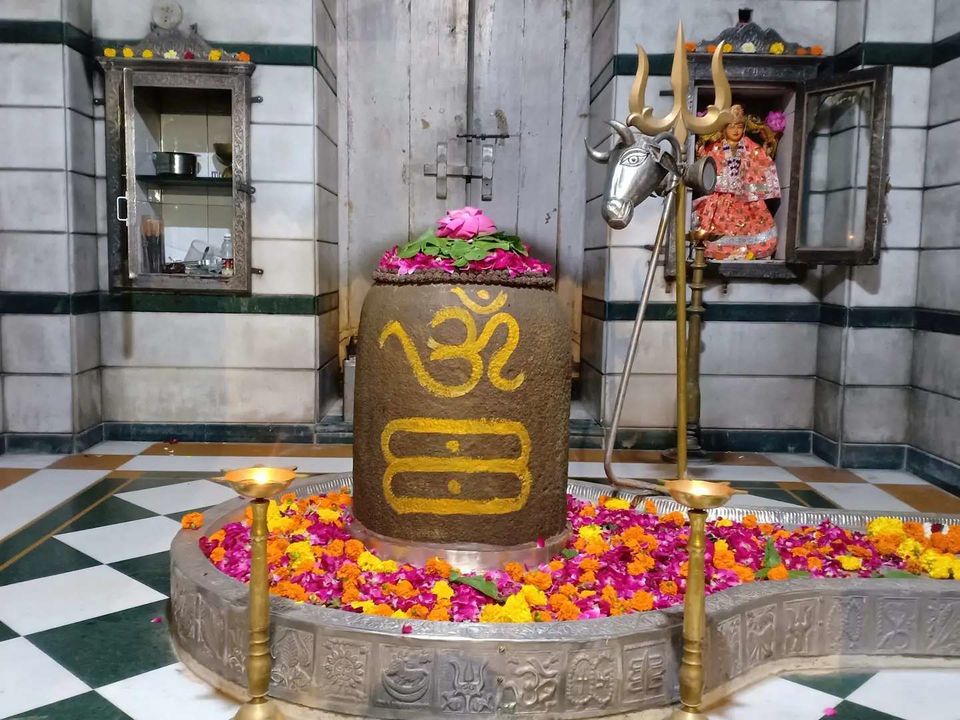
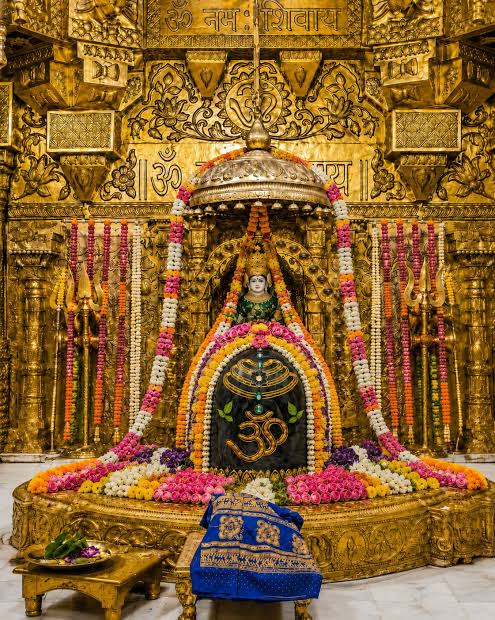
- The Inner Sanctum (Garbhagriha): Sunk slightly below ground level, the sanctum houses the majestic black stone Shivalinga. A steady stream of spring water and devotee offerings keeps the Shivalinga in a state of eternal ablution (Abhishekam).
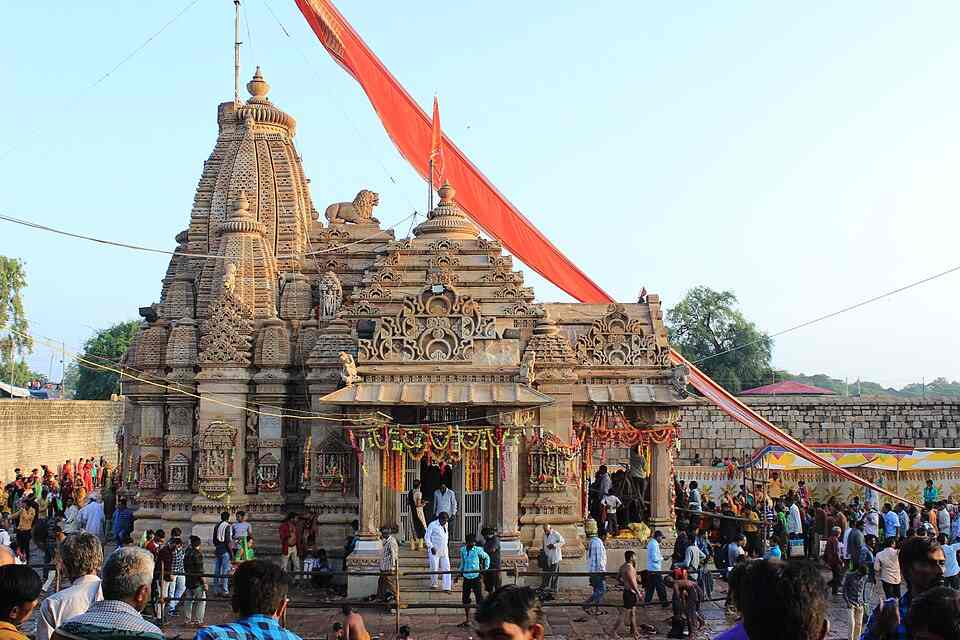
- Spacious Assembly Halls & Courtyards: Broad paved stone courtyards surround the central shrine, flanked by open pillared verandas designed to accommodate thousands of pilgrims during seasonal religious gatherings.
- Ghela River Ghats: Stone flights of steps lead directly down to the gently flowing riverbed, where pilgrims perform ritual purification washes prior to entering the temple sanctuary.
🎉 Festivals and Celebrations
Throughout the annual calendar, Ghela Somnath pulses with colorful devotion and traditional Gujarati fervor:
- Holy Month of Shravan: The entire monsoon month of Shravan transforms the shrine into a radiant festival ground. On every Shravan Somvar (Monday), over 50,000 pilgrims congregate from dawn until midnight.
- Mahashivaratri: Celebrated with four-phase midnight pujas (Chaar Prahar Puja), specialized Rudrabhishek ceremonies, and night-long bhajans echoing through the river valley.
- Saurashtra Lok Mela: During major festival weeks, an authentic rural fair springs up around the riverbanks, featuring traditional folk artists, brassware, handicraft stalls, and local culinary delicacies.
⏰ Darshan and Aarti Timings
| Event / Ritual | Timings | Details |
|---|---|---|
| Temple Gates Open | 6:00 AM – 8:30 PM | Open throughout the day without afternoon closure |
| Mangala Aarti | 6:30 AM | First morning aarti accompanied by temple bells |
| Sandhya Aarti | 7:00 PM – 7:30 PM | Dusk aarti illuminated with oil lamps and dhoop |
| Annakshetra (Free Meals) | 11:30 AM – 2:00 PM & 7:30 PM – 9:00 PM | Wholesome Prasad meals provided by the temple trust |
🚗 How to Reach Ghela Somnath Mahadev
Located in central Saurashtra, Ghela Somnath enjoys smooth road connectivity with major cities of Gujarat:
- By Road: The temple is situated approximately 77 km from Rajkot, 22 km from Jasdan, and 65 km from Botad. Well-paved state highways connect Jasdan to Rajkot, Ahmedabad (approx. 210 km), and Bhavnagar (approx. 130 km). GSRTC buses and private taxis ply regularly from Rajkot Central Bus Station to Jasdan.
- By Rail: The nearest major railway hubs are Rajkot Junction (RJ) (80 km) and Botad Junction (BTD) (65 km), both connected with nationwide express rail networks. Taxis and connecting buses are readily available from either station.
- By Air: Rajkot International Airport (Hirasar) is the closest airport, situated roughly 85 km away with regular domestic flights connecting Mumbai, Delhi, and Bangalore.
💡 Practical Travel Tips for Pilgrims
- Explore Hingolgadh Sanctuary: Make sure to combine your visit with the scenic Hingolgadh Castle & Nature Education Sanctuary located just 15 km away, renowned for chinkaras, nilgais, and lush monsoon hills.
- Dress Appropriately: As an orthodox and sacred Hindu shrine, modest traditional attire covering knees and shoulders is recommended.
- River Safety: Exercise caution when descending the river steps during the peak monsoon season (July to September) when the Ghela River water levels can rise swiftly.
- Overnight Stay: Clean, affordable rooms and AC cottages are available through the Ghela Somnath Temple Trust Dharamshala complex on a first-come, first-served basis.
Frequently Asked Questions
Essential travel, history, darshan timings, and accommodation insights for visiting pilgrims.
🙏 Conclusion
The Ghela Somnath Mahadev Temple is a sacred living tribute to Saurashtra's valor, unshakeable devotion, and enduring spiritual heritage. Framed by the gentle murmur of the Ghela River and the rugged silhouette of the Panchal hills, a pilgrimage to this hallowed shrine offers devotees unmatched inner serenity and a deep connection to Gujarat's legendary past.