🕉️ Introduction to the Ancient Temples of Ghodasar
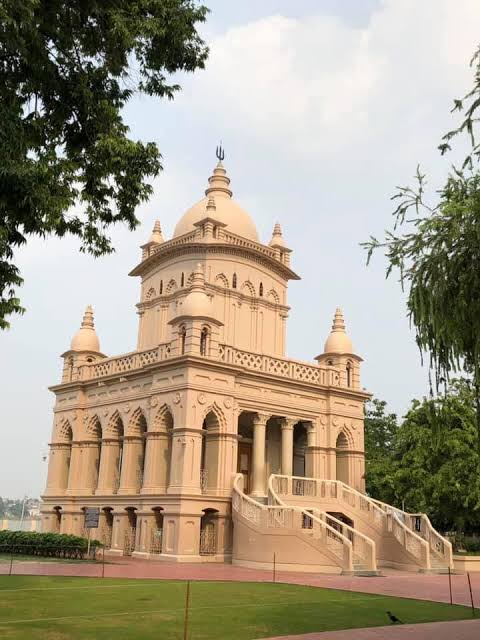
The ancient temples of Ghodasar, nestled quietly in Kathlal Taluka of Kheda District, Central Gujarat, offer an evocative journey into the region's storied princely past. Once a proud, sovereign princely state ruled by the noble Dabhi Rajput clan, Ghodasar is graced by timeless heritage shrines that celebrate an intimate harmony of sacred devotion and regal patronage.
Far removed from noisy commercial tourist corridors, these quiet village shrines provide a peaceful sanctuary for heritage lovers, architectural researchers, and offbeat travelers seeking authentic cultural roots in the rural heartlands of Gujarat.
📋 Quick Facts
| Primary Shrines | Royal Shiva Temples, Krishna Mandirs, and Clan Deity (Kuldevi) Shrines |
|---|---|
| Location | Ghodasar Village, Kathlal Taluka, Kheda District, Gujarat |
| Temple Classification | Princely State Era Royal Heritage Shrines |
| Historical Era | Medieval to late-Princely State period (approx. 15th to 19th centuries) |
| Royal Dynasty | Patronized by the Thakors (Dabhi Rajputs) of Ghodasar State |
| Best Time to Visit | October to March (Pleasant climate for village walks) |
| Famous For | Intricate regional woodwork, stone masonry, and untouched princely history |
🌟 Significance of Ghodasar Ancient Temples
The heritage shrines of Ghodasar provide deep insights into the spiritual tapestry of pre-independence Gujarat:
- Living Princely Legacy: The shrines stand as quiet, authentic monuments to the socio-cultural and spiritual patronage of the erstwhile Ghodasar State before its merger into independent India.
- Haveli Architecture Window: They showcase the unique Central Gujarat synthesis of haveli and temple architecture, featuring carved wooden brackets, pillared verandas, and heavy stone lintels.
- Offbeat Tranquility: For mindful travelers weary of crowded pilgrimage circuits, Ghodasar offers an intimate glimpse into pristine village spirituality where rituals have remained unhurried for centuries.
- Clan Ancestral Reverence: The Kuldevi shrines remain deeply revered by local village families and descendants of the historical Rajput lineages who return annually for ceremonial homage.
📜 History and Mythological Legends
The story of Ghodasar is inseparable from the chivalric annals of the Dabhi Rajput dynasty:
The Royal Dabhi Dynasty & Sacred Patronage
Historically classified as a non-salute princely state administered under the Mahi Kantha (and later Rewa Kantha) agency, Ghodasar was ruled by the respected Thakors of the Dabhi Rajput clan. Renowned for their valor and commitment to their subjects, the rulers believed that the welfare of the state was directly anchored in the favor of the divine.
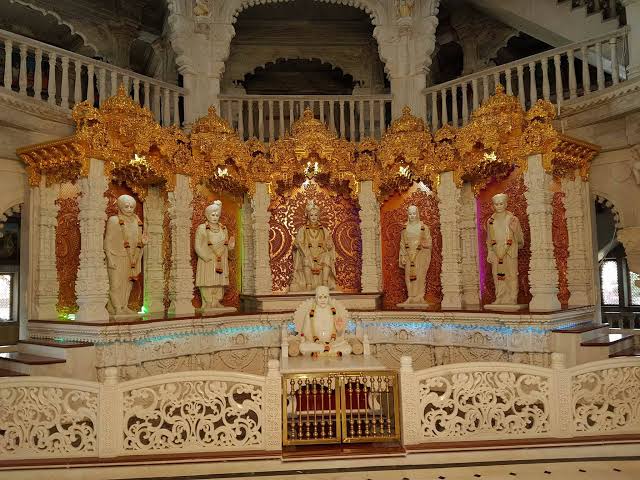
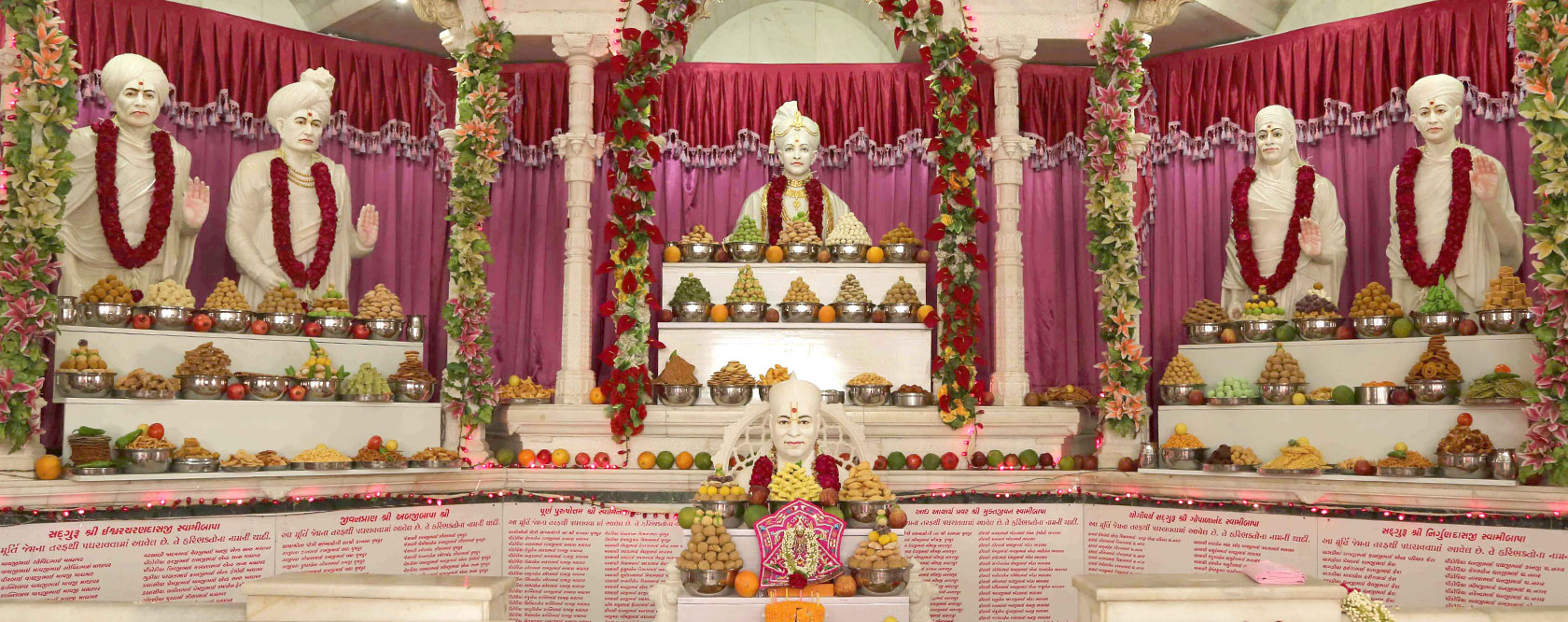
To secure peace and divine blessings, the royal family systematically commissioned consecrated shrines dedicated to Lord Shiva, Lord Krishna, and their presiding clan deities (*Kuldevis*). These shrines served as the cultural heartbeat of the capital, hosting royal durbars, weapon-worship ceremonies (*Shastra Puja*), and grand community feasts during festive occasions.
Local folklore cherishes moving tales of how the village deities miraculously protected the fortresses and fields of Ghodasar during medieval skirmishes, cementing an enduring spiritual pact between the villagers, the rulers, and their sacred guardian icons.
🛕 Architecture and Craftsmanship
The shrines of Ghodasar are masterclasses in indigenous Gujarati craftsmanship, combining decorative warmth with durable construction:
- Ornamental Wood Carvings: Many older temple ceilings, doorways, and pillared pavilions display deeply sculpted teakwood figures—depicting celestial nymphs, dancing peacocks, floral vines, and protective guardian deities.
- Fired Brick & Stone Foundations: While the superstructures incorporate artistic wood and lime plaster, the sanctum sanctorum (*Garbhagriha*) walls are anchored in resilient local sandstone and historic kiln-fired bricks.
- Open Chowk (Courtyard) Plan: Like traditional Gujarati havelis, the temple compounds center around spacious stone-paved courtyards (*chowks*), designed for village congregations, bhajan nights, and community assemblies.
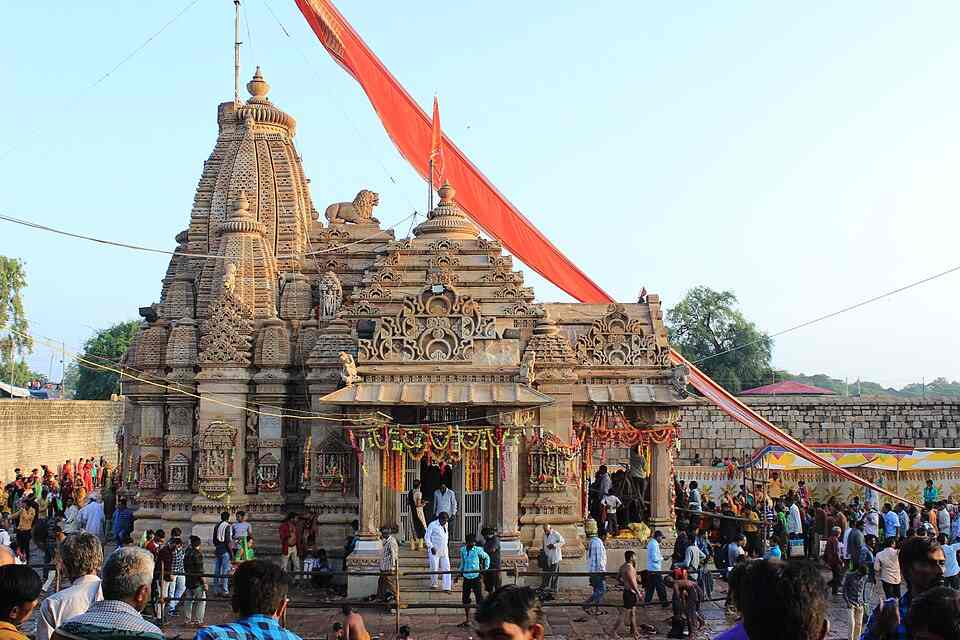
- Traditional Shikhara Profiles: The sanctums feature tiered spires capped with brass kalashas, capturing the regional architectural ethos of rural Charotar and Kheda.
🎉 Festivals and Village Celebrations
Village life in Ghodasar revolves rhythmically around ancient festive calendars:
- Shardiya Navratri: Revered with extraordinary pomp due to the region's royal Rajput roots. The nine nights witness traditional *Garbi* singing in the temple courtyards with deep devotion to the mother goddess (Shakti).
- Dussehra (Vijayadashami): Commemorates the ancient royal tradition of *Shastra Puja* (blessing of traditional swords and emblems), celebrated with solemn ceremonial processions.
- Mahashivaratri & Janmashtami: The Shiva and Krishna shrines witness overnight devotional vigils, continuous hymn chanting, and festive village gatherings.
⏰ Darshan Timings
| Session | Timings | Remarks |
|---|---|---|
| Morning Darshan | 7:00 AM – 12:00 PM | Morning aarti is conducted around 7:30 AM |
| Afternoon Closure | 12:00 PM – 4:00 PM | Standard resting period for rural shrines |
| Evening Darshan | 4:00 PM – 8:00 PM | Evening Sandhya Aarti performed at dusk (around 7:00 PM) |
🚗 How to Reach Ghodasar
Located conveniently in Central Gujarat, Ghodasar is easily accessible by road from major nearby cities:
- By Road: Ghodasar is situated approximately 50 km from Ahmedabad (roughly a 1-hour drive via Kathlal), 45 km from Nadiad, and 60 km from Anand. Personal vehicles or rented cabs provide the smoothest access across well-paved state highways.
- By Rail: The nearest major railway junction is Nadiad Junction (ND) (45 km away), while Mehmedabad Kheda Road (MHD) is about 35 km away. Both connect with regular trains to Mumbai, Ahmedabad, and Vadodara.
- By Air: Sardar Vallabhbhai Patel International Airport (AMD) in Ahmedabad is the closest airport, situated approximately 55 km away.
💡 Practical Travel Tips
- Carry Essentials: As Ghodasar is an authentic rural village rather than a commercial tourist center, carry bottled water and snacks as retail facilities are limited to small local tea stalls.
- Combine with Heritage Trails: You can plan an enriching day itinerary by combining Ghodasar with the 12th-century Galteshwar Mahadev Temple at the Mahi River confluence (40 km away) or the Balasinor Dinosaur Fossil Park at Raiyoli.
- Seek Local Guidance: Chat with village elders near the temple chowk; their oral folklore and personal memories often reveal fascinating historical anecdotes not found in textbooks.
- Photography Etiquette: Always seek polite permission from temple caretakers or local residents before photographing private heritage haveli courtyards or sanctums.
Frequently Asked Questions
Essential information on history, royal Dabhi heritage, timings, and travel to Ghodasar.
🙏 Conclusion
The ancient temples of Ghodasar are hidden historical gems that gently echo the chivalry, artistry, and spiritual devotion of Gujarat’s princely era. For heritage enthusiasts curating an offbeat trail through Central Gujarat, Ghodasar offers an intimate and serene journey into authentic village craftsmanship and enduring local faith.